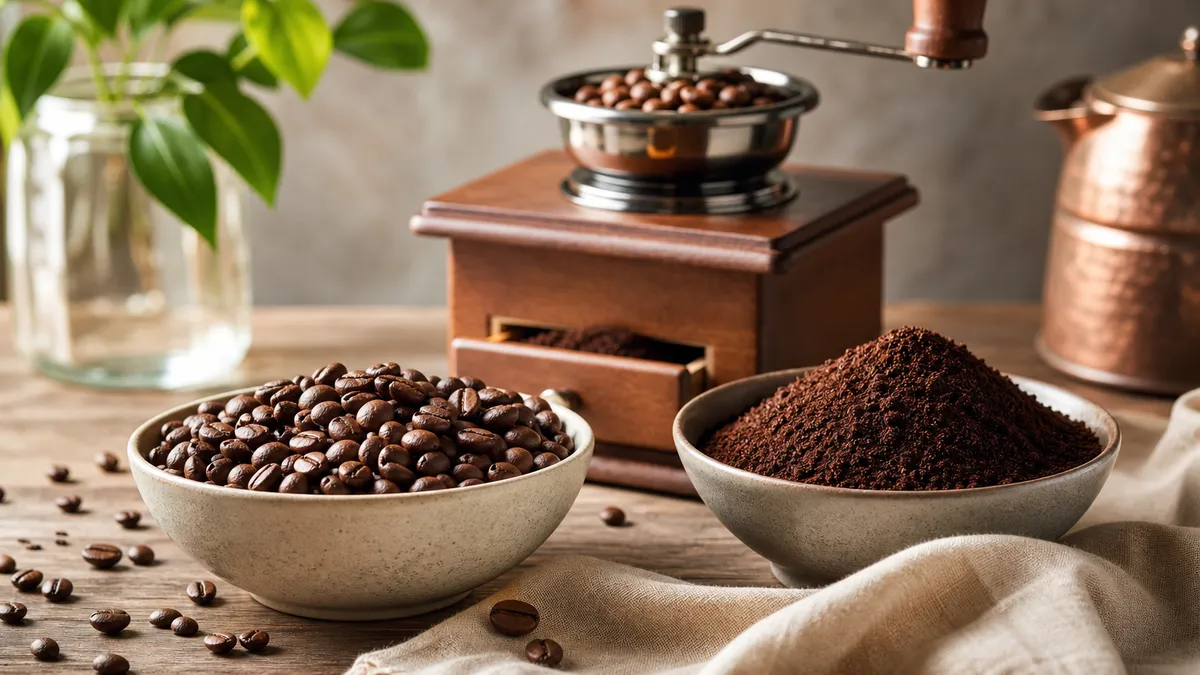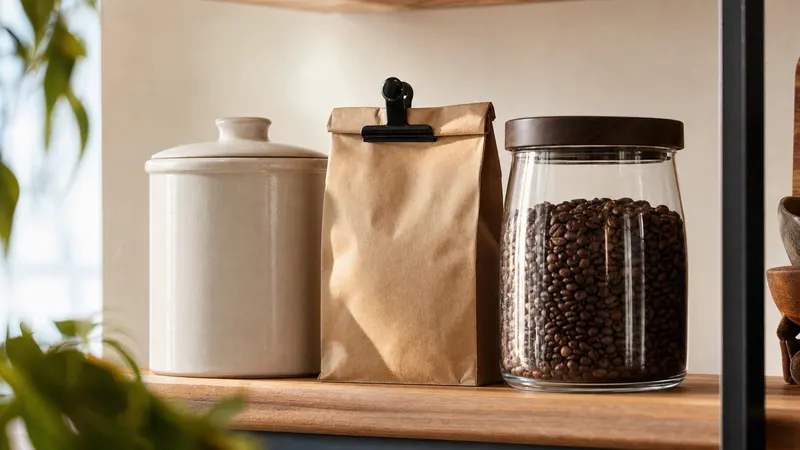
Buying and storing coffee well means choosing a coffee that suits your drink, buying an amount you can use while it still tastes lively, and protecting it from air, moisture, heat and light. Start with clear bag information and a manageable quantity; choose whole beans if you can grind before brewing, and consider freezing properly sealed portions when you need longer storage.
In short
- Choose by your brewing method and preferred flavours, not by impressive-sounding bag descriptions alone.
- A roast date tells you when roasting happened; a best-before date concerns quality, not a precise peak-flavour window.
- Whole beans give you control over grind size and let you delay grinding until you brew.
- Keep everyday coffee well sealed in a cool, dry, dark place.
- Freeze surplus coffee in separate airtight portions rather than repeatedly opening the same cold bag.
Guides in Buying and Storing Coffee
 Buying and Storing Coffee BeansChoose coffee beans, understand roast dates, work out how much to buy and keep your supply fresh with sensible containers and careful freezer storage.Read the guide
 Buying Fresh CoffeeBuy fresh coffee with confidence: check roast dates, compare roasters and supermarkets, choose the right amount and assess freshness with a simple tasting.Read the guide
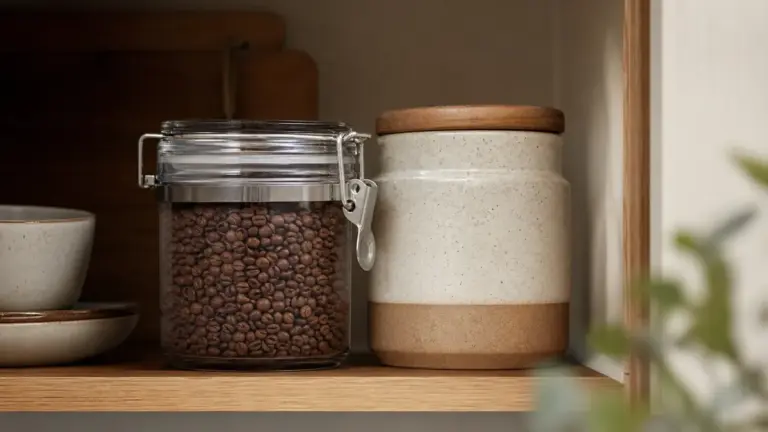 Coffee Storage TipsKeep beans and ground coffee fresher with practical advice on airtight jars, vacuum canisters, cupboard storage and planning how much coffee to buy.Read the guide
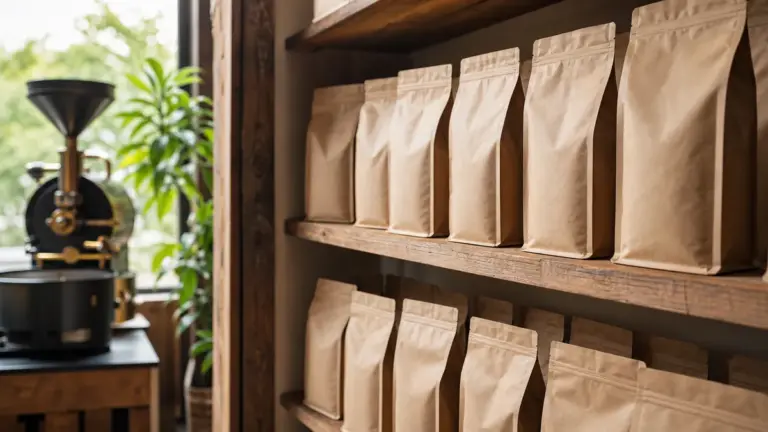 Finding Specialty Coffee RetailersFind UK specialty coffee retailers with clear sourcing, useful roast advice and helpful service. Compare online shops, local roasters and subscriptions.Read the guide
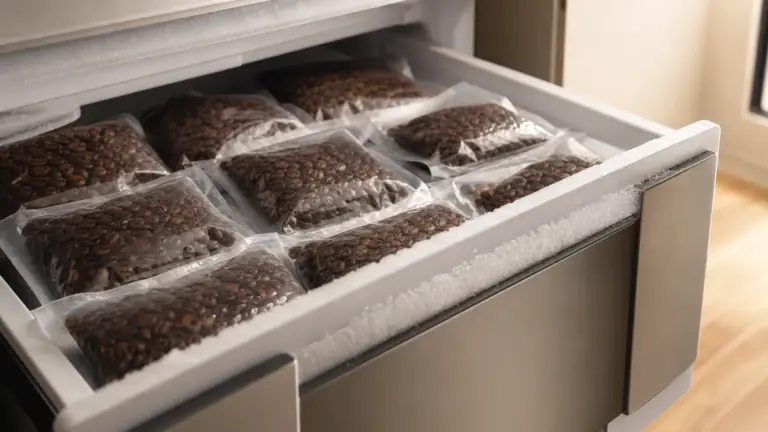 Freezing CoffeeCan you freeze coffee beans? Learn how to portion, seal and thaw them without condensation, plus what research says about grinding straight from frozen.Read the guide
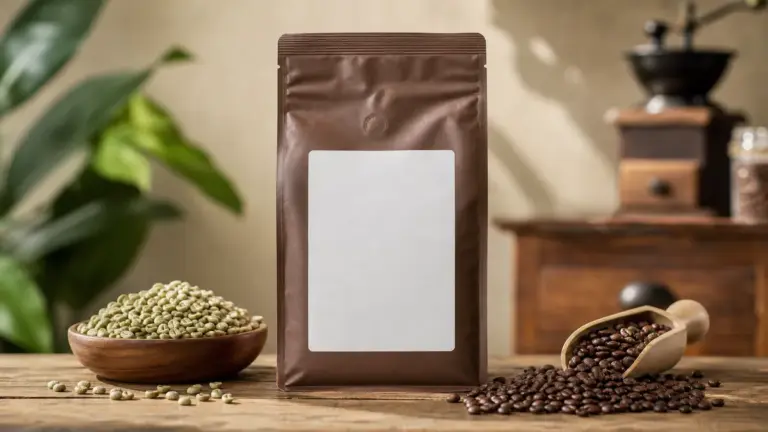 How to Read a Coffee BagDecode coffee bag labels, from origin and processing to roast dates, tasting notes and certification marks, and learn which details help you choose.Read the guide
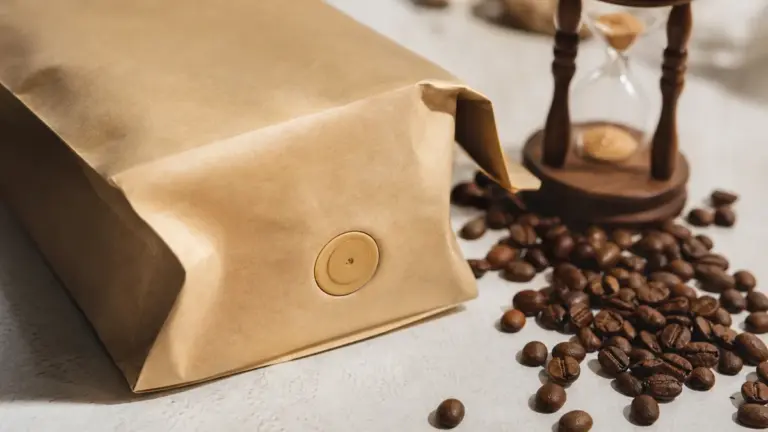 Roast Dates and Best-Before DatesLearn what coffee roast dates and best-before dates mean, when to start brewing filter or espresso, and what UK coffee labelling rules actually require.Read the guide
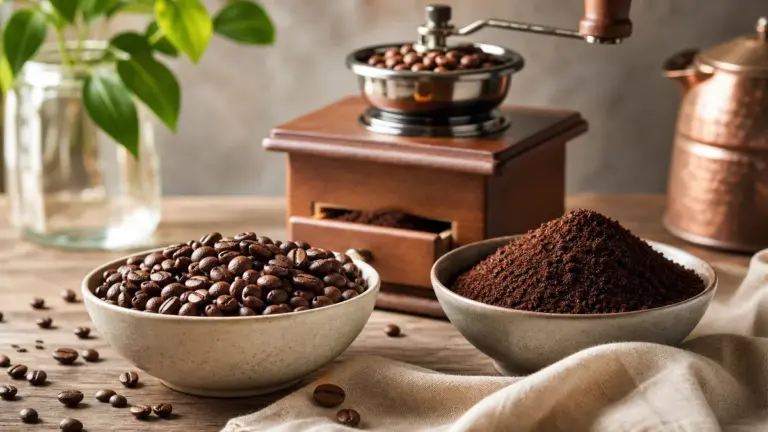 Whole Beans vs Ground CoffeeCompare whole beans and ground coffee for freshness, flavour, convenience and grind size, with clear advice on when each suits your brewing routine.Read the guide
Start here if you are new
Follow these three pieces in order:
- Buying Fresh Coffee helps you make your first purchase without treating the newest roast date as the only thing that matters.
- How to Read a Coffee Bag helps you turn unfamiliar descriptions into useful buying information.
- Coffee Storage Tips gives you a straightforward routine once the bag is open.
For a single guide that brings the decisions together, use Buying and Storing Coffee Beans. Keep it as your practical reference when changing supplier, choosing a different bag size or reorganising a shared coffee cupboard.
This hub sits within Beans & Origins, the wider guide to where coffee comes from and what shapes its character. Here, the focus is narrower: choosing roasted coffee and looking after it between purchase and brewing.
Buying and storing coffee: choose your next guide
You do not need to read every article before buying a bag. Choose the question closest to the decision in front of you.
| Your question | Guide | What to use it for |
|---|---|---|
| How do I bring buying and storage together? | buying and storing beans | Building a repeatable routine |
| How do I judge freshness before buying? | buying fresh coffee | Comparing dates, quantities and supplier advice |
| Where should I look for coffee? | finding specialty retailers | Assessing shops, roasters and online sellers |
| What does the packaging mean? | reading a coffee bag | Understanding the information before choosing |
| Which date matters? | roast and best-before dates | Separating roast age from quality date marking |
| Where should an opened bag go? | coffee storage tips | Choosing a location, container and daily routine |
| What should I do with surplus coffee? | freezing coffee | Planning portions and handling them after freezing |
| Should I buy beans or pre-ground? | whole beans versus ground coffee | Matching the purchase to your equipment and habits |
Buy for the coffee you actually drink
Before choosing an origin or reading tasting notes, describe your usual drink. Tell the seller your brewing method, whether you add milk, and what you liked or disliked about your last coffee.
A useful request might be: “I make cafetière coffee, add milk and prefer chocolate-like flavours to sharp fruit.” That gives a retailer something concrete to work with. “What is your best coffee?” leaves your preferences out of the conversation.
Then choose a quantity that fits your routine. Our recommendation is to measure actual use rather than assume that a large bag will disappear quickly.
For example, if your household uses 30 g a day, a 300 g bag lasts 10 days: 300 g ÷ 30 g per day. These are illustrative shopping assumptions, not a recommended brewing dose or a guaranteed freshness period.
In an office, make the same calculation from actual working-day consumption. Allow for attendance changes and closures, and avoid opening several bags simply to fill every storage container.
Use Buying Fresh Coffee when deciding how much to order and what to ask about roast timing. Read Buying and Storing Coffee Beans when you want to turn those decisions into a complete routine.
Find specialty retailers who explain their coffee
A useful specialty retailer helps you choose, rather than expecting you to arrive fluent in coffee terminology. Look for clear product information and answers that relate to your equipment and taste.
Our suggested assessment criteria are:
- Clarity: can the seller explain the coffee without relying on vague praise?
- Freshness information: can they explain roast dates, dispatch timing and their recommended resting period?
- Brewing support: can they advise on whole beans or a suitable grind for your method?
- Traceability: do they identify the coffee’s origin and explain the sourcing information they publish?
- Consistency: can you find enough information to make a similar choice next time?
These are editorial buying criteria, not a certification scheme.
The Specialty Coffee Association’s definition of specialty coffee considers distinctive attributes and the value attached to them. It goes beyond a single score, encompassing sensory qualities and information such as origin and production methods. That makes “specialty” a starting point for questions, not a substitute for them.
For UK readers, compare a local shop, a roaster selling directly and an online specialist using the same checklist. Ask whether you can taste a coffee prepared in a way relevant to your own drinking habits, where that service is available.
Use Finding Specialty Coffee Retailers when assessing a seller. The aim is not to find the most elaborate description, but someone who makes choosing easier.
Read the bag before choosing
Treat the bag as a set of buying clues rather than a promise that you will taste every listed flavour. Start with the information that helps you decide whether this coffee belongs in your kitchen or workplace.
Look for:
- whether it is whole bean or ground, and the intended brewing method;
- the roast description and any brewing recommendation;
- origin, producer and processing information where supplied;
- tasting notes;
- roast date, best-before date and storage instructions;
- the bag’s weight and how securely it can be resealed.
A flavour description is sensory language. World Coffee Research’s Sensory Lexicon provides references for describing coffee’s flavours, aromas and textures. Use tasting notes to ask better questions, rather than as a checklist you must reproduce exactly.
For instance, ask the retailer what they mean by “bright” or “full-bodied”, and whether the description reflects how you intend to prepare the coffee. If a bag describes a flavoured product, check its ingredient information rather than assuming the front-of-pack wording tells the whole story.
Read How to Read a Coffee Bag when a label contains unfamiliar terms. It is the right next step before choosing solely by country name, packaging or a tasting score.
Understand roast dates without chasing the newest bag
A roast date records an event. It does not, by itself, tell you exactly when a coffee will taste best.
After roasting, coffee releases carbon dioxide, a process called degassing. Grinding speeds that release substantially. Coffee also changes through aroma loss and oxidation, so freshness involves more than elapsed time alone.
Some roasters recommend resting their coffee before brewing. Square Mile, for example, publishes different resting advice for filter coffee and espresso. Treat such advice as guidance for that roaster’s coffee, not a universal countdown.
The distinction matters when comparing bags. Ask when the coffee was roasted, how it has been packaged and when the roaster suggests opening it for your brewing method.
A best-before date has a different role. UK food guidance distinguishes best-before dates, which concern quality, from use-by dates, which concern safety. Do not calculate a roast date backwards from a best-before date unless the producer explicitly explains its dating system.
Use Roast Dates and Best-Before Dates when dates seem contradictory or you are deciding whether an older bag still deserves a try.
Choose whole beans or ground coffee honestly
Choose whole beans if you have a suitable grinder and will use it. Grinding immediately before brewing lets you delay the rapid changes associated with breaking the beans into smaller particles.
Ground coffee remains a practical choice when you do not have a grinder. Ask the supplier to match the grind to your brewing method, choose a manageable quantity and reseal it promptly after use.
Our recommendation is to choose the routine you will actually follow. There is little practical benefit in buying beans if they remain unused because grinding has become an obstacle.
For a shared workplace, decide who adjusts and maintains any separate grinder before making it part of the buying plan. Keep the purchasing instruction clear: whole bean, or the specified grind for the brewer in use.
Read Whole Beans vs Ground Coffee before changing format. It helps you weigh freshness control against preparation and equipment requirements without treating convenience as a failure.
Store the everyday supply simply
For coffee in regular use, the National Coffee Association recommends protection from air, moisture, heat and light. A cool, dark cupboard and a secure seal are sensible foundations.
Do not assume that transferring coffee automatically improves its storage. The original packaging and the replacement container both matter.
In a peer-reviewed experimental study published in 2022, researchers compared opened whole-bean coffee stored using different closures and a canister. The screw-cap package tested retained freshness indicators better than the other arrangements. That is evidence about those particular systems, not proof that every bag outperforms every container.
Our practical approach is:
- Choose one cool, dry storage location away from strong sunlight and cooking heat.
- Check that the bag or container closes securely.
- Remove only what you need, then reseal it.
- Keep the original product information with the coffee if you transfer it.
- Finish the current batch before adding another, so you can track what you are drinking.
Use Coffee Storage Tips for the detailed routine. Start with the seal and location before deciding you need a more complicated storage system.
Freeze surplus coffee with a plan
Freezing is an option for coffee you want to hold beyond your normal buying cycle. The SCA’s published literature review reports that most studies it considered found cold storage slowed reactions associated with staling, while noting limitations in evidence about freezing and temperature fluctuations.
That is a reason for careful handling, not a promise of an exact extra shelf life. Practical advice differs partly because suppliers make different assumptions about packaging, moisture and repeated opening.
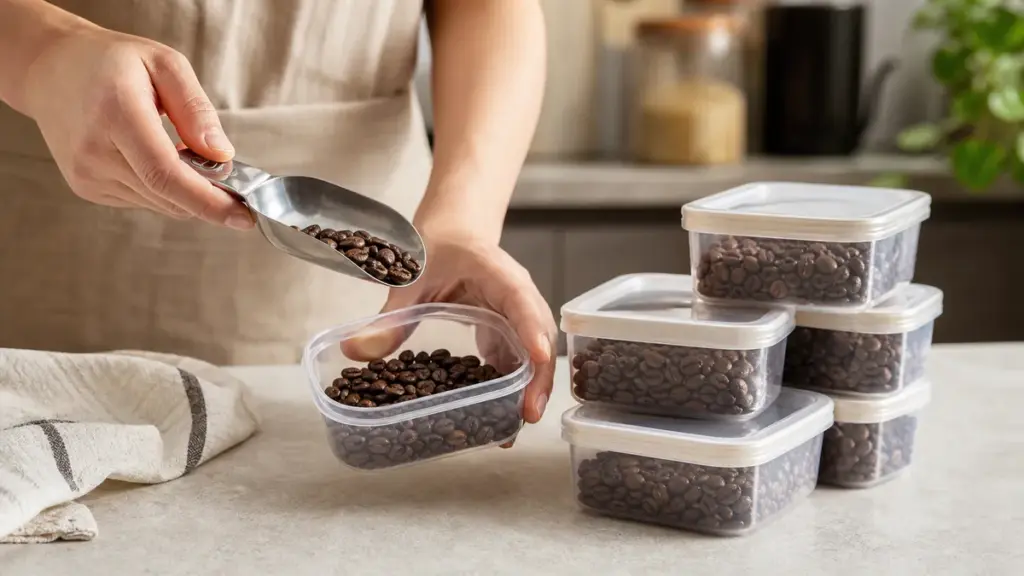
For a straightforward household approach, divide surplus whole beans into airtight portions before freezing. A portion can be a small batch you intend to finish after opening; it need not be an individual brewing dose.
Roaster guidance from Cravens advises letting a frozen batch reach room temperature while still sealed before opening, to reduce condensation on the beans. Avoid repeatedly opening and returning the same batch to the freezer.
Keep a record of the coffee and freezing date so that stored portions remain identifiable. Use Freezing Coffee before building a freezer collection, especially if you want to explore handling individual doses differently from larger batches.
FAQ
Is a coffee subscription a sensible way to buy?
A subscription is worth considering if its quantity and delivery schedule fit your actual use. Before committing, check whether you can pause deliveries, change the coffee or alter the grind. Our recommendation is to establish how quickly you finish an ordinary order first, then choose a schedule rather than accepting accumulating bags as inevitable.
What should I record when comparing coffees?
Record enough information to repeat a choice you enjoyed. A useful note includes the coffee’s name, supplier, roast date if available, brewing method and your own flavour description. Keep the comparison manageable by changing one purchasing choice at a time. The purpose is a better next purchase, not a formal tasting exercise.
What if a bag has no roast date?
Ask the supplier what freshness information they can provide. A missing roast date leaves you without a direct record of roast age, but packaging and storage also affect freshness. Do not infer the roast date from the best-before date. Use the supplier’s explanation, the product information and your experience of the coffee together.
Where to go next
Start with Buying and Storing Coffee Beans for the complete practical routine, then use Finding Specialty Coffee Retailers to assess where to buy. Keep How to Read a Coffee Bag handy when choosing, and read Freezing Coffee before putting surplus beans away: buying and storing coffee works best when the amount you order matches the way you will keep it.
Sources
-
National Coffee Association, Storage and shelf life, undated, current web guidance.
https://www.aboutcoffee.org/beans/storage-and-shelf-life/
Everyday storage conditions, grinding and moisture considerations. -
Specialty Coffee Association, What is Specialty Coffee?, undated, current web definition.
https://sca.coffee/what-is-specialty-coffee
Distinctive sensory and informational attributes, rather than a single-score definition. -
World Coffee Research, Sensory Lexicon, version 2.0, 2017.
https://worldcoffeeresearch.org/resources/sensory-lexicon
The use of references to describe coffee’s sensory attributes. -
Specialty Coffee Association, Coffee Decoded: What is “freshly roasted” coffee?, undated web article, drawing on research and the 2018 Coffee Freshness Handbook.
https://sca.coffee/sca-news/coffee-decoded-9-fresh-coffee
Degassing, oxidation and the effect of grinding. -
Square Mile Coffee Roasters, Rest Is Best, undated web article.
https://shop.squaremilecoffee.com/blogs/all/rest-is-best
An example of a roaster’s own resting recommendations, not a universal standard. -
Food Standards Scotland, Use-by and best-before dates, undated, current consumer guidance.
https://www.foodstandards.gov.scot/consumer-advice/food-labels/use-by-and-best-before-dates
Quality and safety date distinctions and the importance of following storage instructions. -
Smrke, Adam, Mühlemann, Lantz and Yeretzian, Effects of different coffee storage methods on coffee freshness after opening of packages, Food Packaging and Shelf Life, volume 33, article 100893, 2022. Author affiliations include ZHAW and Tchibo.
https://digitalcollection.zhaw.ch/items/48122922-c9a1-49de-94f8-1d74c0d33c5c
Peer-reviewed experimental comparison of opened whole-bean coffee storage arrangements. -
Specialty Coffee Association, What is the Shelf Life of Roasted Coffee? A Literature Review on Coffee Staling, 2012.
https://sca.coffee/sca-news/2012/02/15/what-is-the-shelf-life-of-roasted-coffee-a-literature-review-on-coffee-staling-bjcx7
Published research review covering temperature, moisture, packaging and staling. -
Cravens Coffee, Should You Freeze Your Coffee?, undated web guidance.
https://cravenscoffee.com/pages/should-you-freeze-your-coffee
Practical roaster guidance on airtight portions and thawing while sealed.
This hub was researched using retrieved coffee-industry guidance, a peer-reviewed storage experiment, a published literature review and official food-date guidance; practical recommendations are distinguished from experimental findings.
Last checked: November 2026