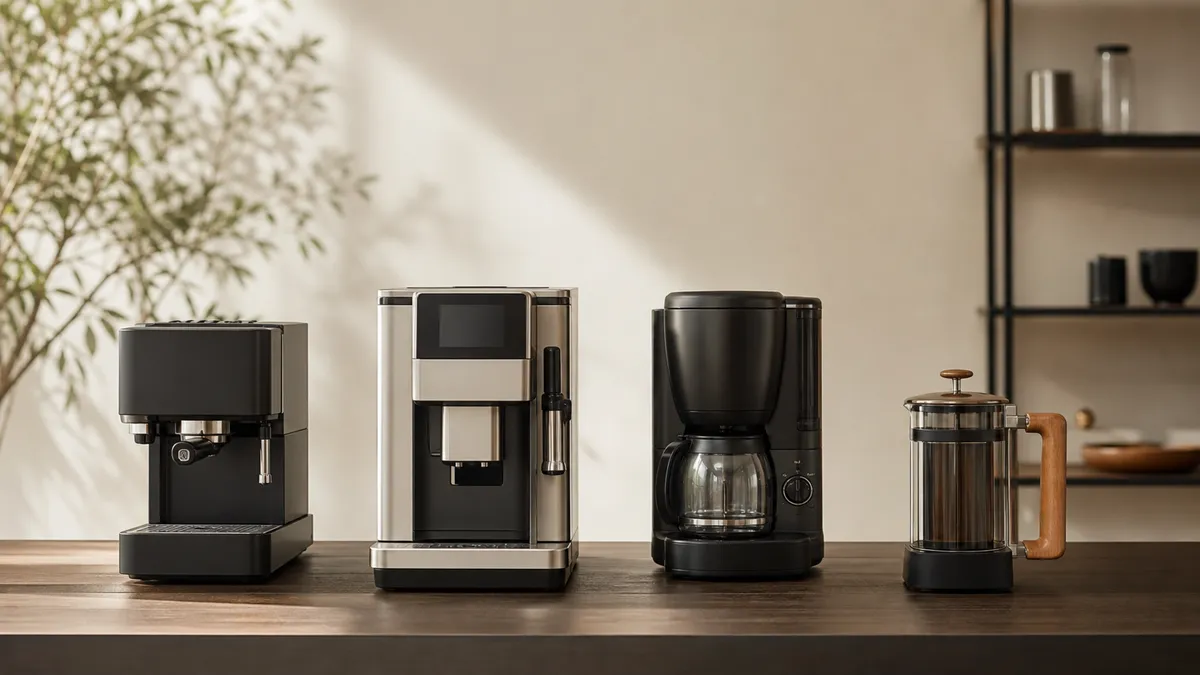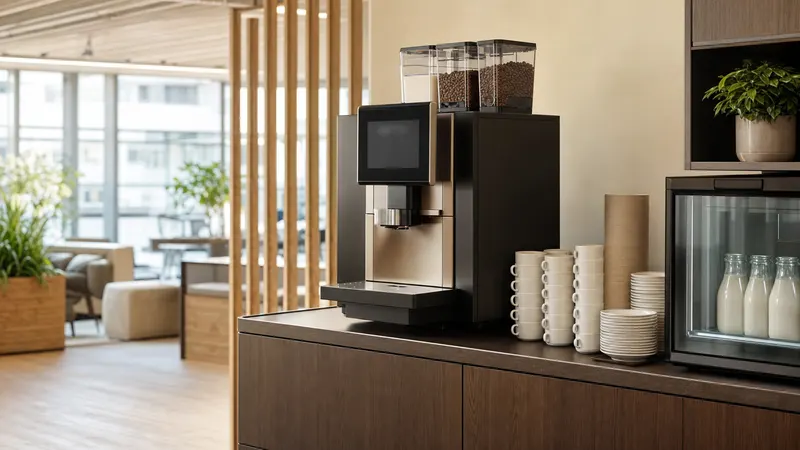
The right office coffee machine matches the drinks people want, the busiest serving period and the cleaning your workplace can reliably manage. Start with the brewing method, then choose the milk system, water supply and capacity separately: a bean-to-cup machine is not necessarily fresh-milk, plumbed-in or suitable for a large office.
In short
- Shortlist by drink preference: espresso-based drinks, freshly brewed filter coffee or instant-soluble drinks.
- Count drinks on a busy occupied day, including visitors, rather than choosing from total employee numbers alone.
- Treat daily capacity, peak serving speed and ingredient storage as different specifications.
- Choose fresh or powdered milk independently of the coffee brewing method, where the machine offers that choice.
- Table-top and freestanding describe the machine’s format, not how it makes coffee.
Guides in Office Coffee Machines
 Bean-to-Cup vs Pod Machines for OfficesCompare bean-to-cup and pod machines for office taste, peak-time capacity, milk, maintenance and business recycling, with a clear quotation checklist.Read the guide
 Bean-to-Cup vs Traditional Espresso Machines for OfficesCompare office bean-to-cup and traditional espresso machines on staffing, drink consistency, peak queues, cleaning, installation and compliance.Read the guide
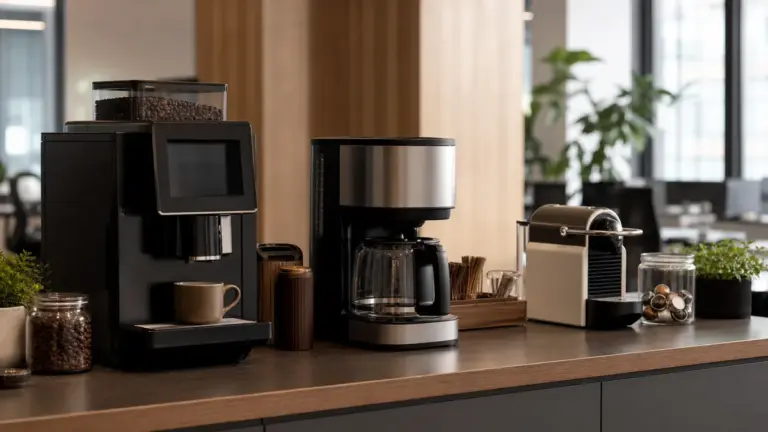 Best Types of Coffee Machine for OfficesMatch your office size, busiest breaks and drink preferences to bean-to-cup, filter, capsule or espresso machines, with practical UK installation checks.Read the guide
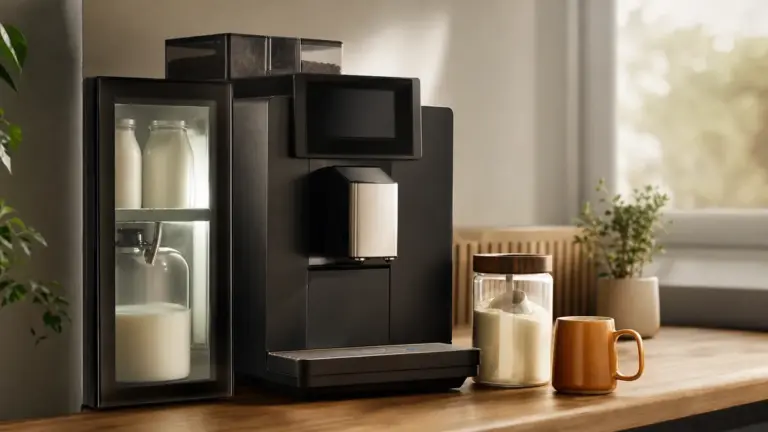 Fresh Milk vs Powdered Milk Office MachinesCompare fresh and powdered milk office machines for flavour, cleaning, refrigeration, allergens and waste, with a practical workplace selection checklist.Read the guide
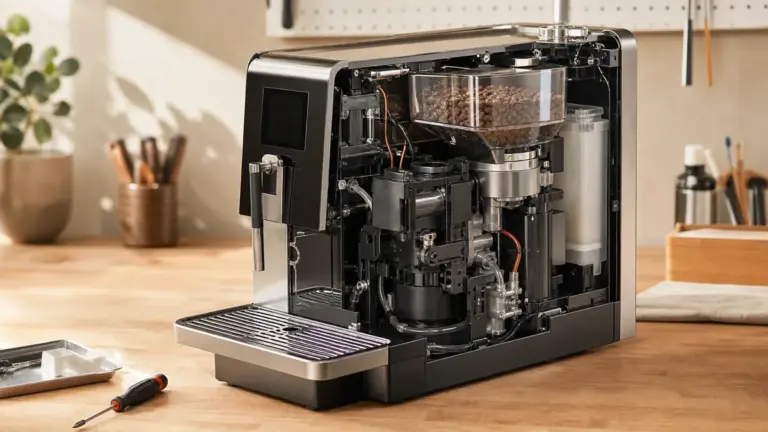 How Office Bean-to-Cup Machines WorkFollow coffee from hopper to cup: how office bean-to-cup machines grind, dose, brew, froth milk and clean themselves, plus why common faults happen.Read the guide
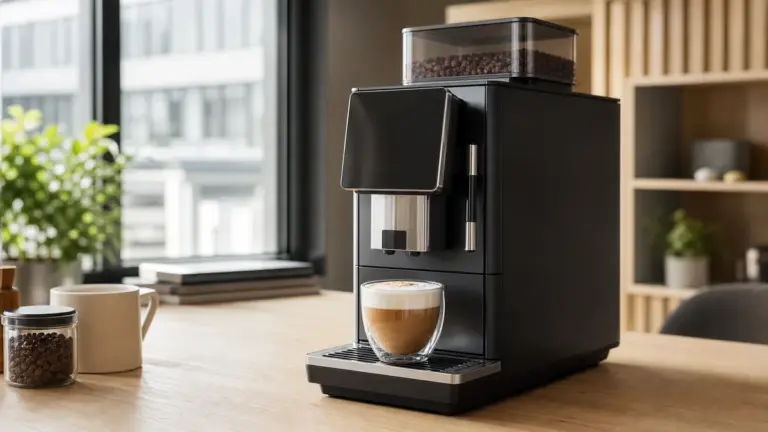 Office Bean-to-Cup Coffee MachinesAre office bean-to-cup coffee machines worth it? Compare capacity, milk systems, cleaning and installation needs before requesting supplier quotations.Read the guide
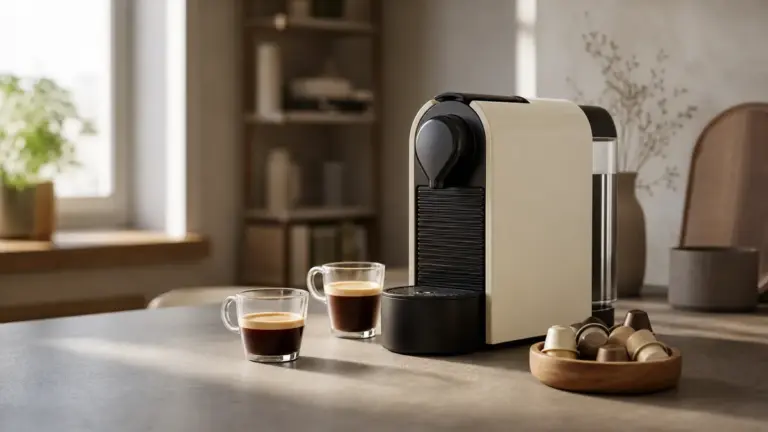 Office Capsule Coffee MachinesAre capsule machines right for your office? Compare compatibility, queues, milk options, space and business recycling before choosing a supported system.Read the guide
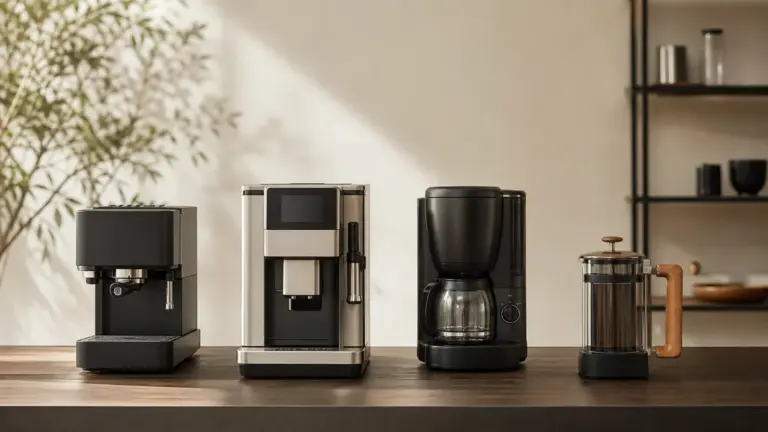 Office Coffee Machine Comparison GuideCompare five office coffee machine types by taste, speed, capacity, milk, plumbing and cleaning, then build a shortlist around your workplace needs.Read the guide
 Office Coffee Machines by Daily Cup CapacityCalculate office coffee demand from attendance, check peak-hour queues, and compare machine ratings, water tanks, bean hoppers and refill interruptions.Read the guide
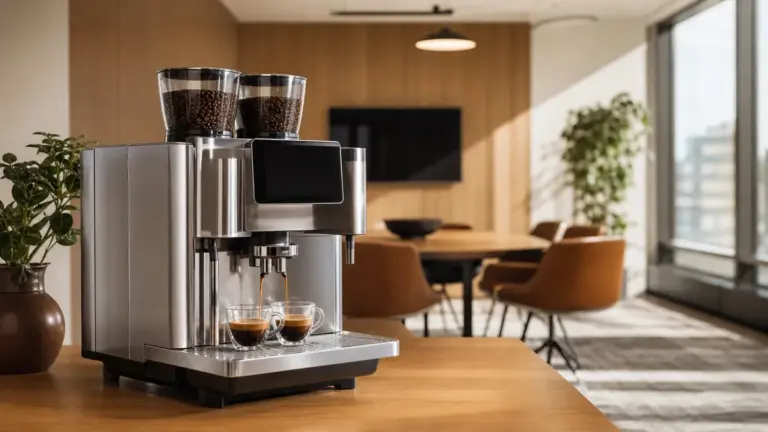 Office Coffee Machines for High-Volume UseChoose high-volume office coffee machines around peak queues, power, plumbing, cleaning and backup provision, with a practical supplier checklist.Read the guide
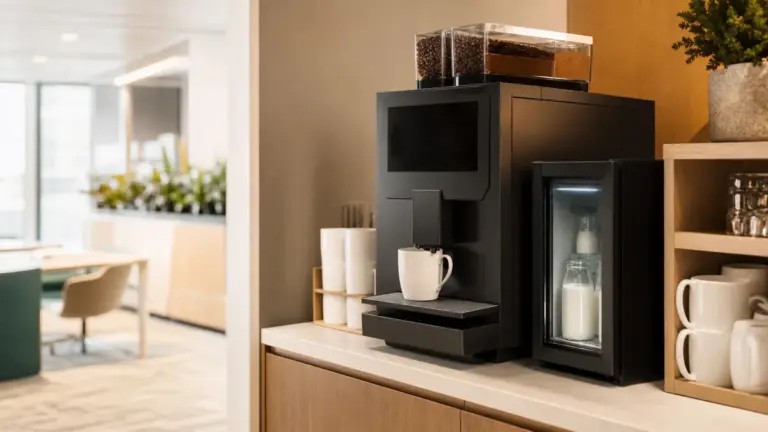 Office Coffee Machines: The Complete UK GuideChoose an office coffee machine by daily demand, peak queues, milk system and service needs, with UK installation checks and supplier questions.Read the guide
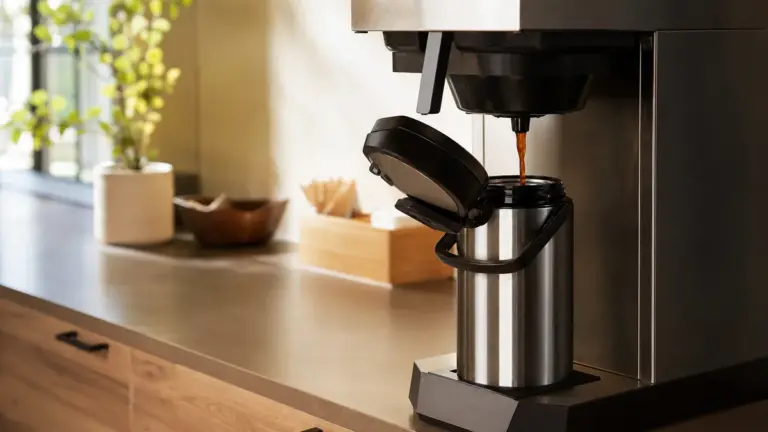 Office Filter Coffee Machines and Bulk BrewersWhen batch brewing suits an office: compare capacity, airpots, freshness, cleaning and power requirements, plus pairing with a bean-to-cup machine.Read the guide
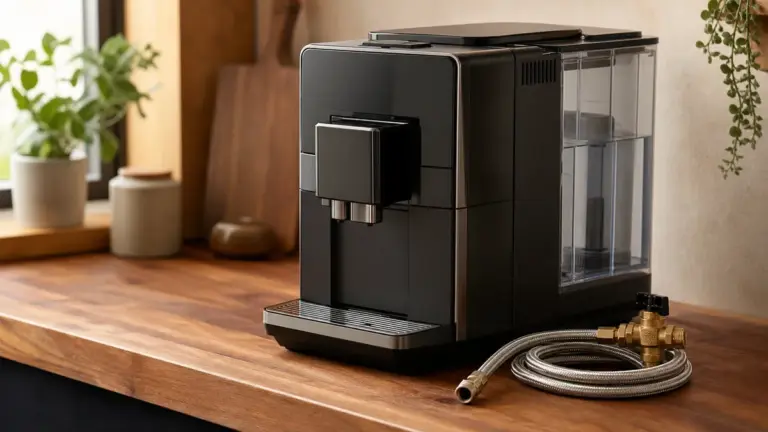 Plumbed-In vs Tank-Fed Coffee MachinesCompare plumbed-in and tank-fed office coffee machines: refill workload, drainage, backflow protection, filtration and what to ask before installation.Read the guide
Start here if you are new
Follow this reading path before comparing individual machines:
- machine types explained helps you narrow the field by drinks, staffing and workplace routine.
- the complete UK guide takes you through the wider selection and installation process.
- a structured comparison helps you assess shortlisted options against the same requirements.
This hub maps the equipment choices. For the wider workplace provision around them, return to office coffee.
Office coffee machines by type and workplace
Use the table to build a shortlist, not to select a model outright. The suitability judgements below are editorial guidance based on brewing method, operating tasks and serving format; they are not independent performance-test results.
| Machine type or format | How it serves coffee | Workplace worth considering it for | Main limitation to investigate |
|---|---|---|---|
| Bean-to-cup | Grinds beans and automatically brews individual drinks | Shared kitchens wanting self-service espresso-based drinks | Cleaning, milk handling and peak queues |
| Traditional espresso | An operator prepares coffee in a removable filter holder | Staffed hospitality points and workplaces with trained operators | Operator availability and workflow |
| Filter and bulk brewer | Brews ground coffee into a jug, airpot or larger container | Meetings, training rooms and groups wanting black coffee together | Batch planning and holding time |
| Capsule | Brews a pre-portioned capsule | Meeting rooms and intermittent individual use | Capsule compatibility, replenishment and waste arrangements |
| Freshbrew | Automatically brews individual servings from ground coffee or beans | Workplaces wanting push-button filter-style coffee | Brewer cleaning and grounds disposal |
| Instant-soluble | Mixes soluble coffee and other powdered ingredients with water | Self-service points prioritising straightforward drinks provision | Whether users accept the drink style |
| Freestanding vending | Houses a brewing or mixing system in a floor-standing cabinet | Shared buildings, shift workplaces and communal areas | Floor space, access and replenishment arrangements |
These categories overlap. A freestanding vending machine may contain an espresso brewer or an instant-soluble system; freshbrew equipment may use pre-ground coffee or grind beans itself. Ask what happens inside the machine rather than relying on its category name.
Espresso-based machines: automatic or operator-led?
Bean-to-cup machines
A bean-to-cup machine grinds whole beans, measures a portion and brews the coffee automatically. Depending on its configuration, it may also dispense milk drinks or combine coffee with powdered ingredients.
This is a sensible starting point when colleagues want individual drinks without preparing each espresso themselves. It still needs an assigned person to replenish ingredients, empty waste and complete the manufacturer’s cleaning routine.
Read office bean-to-cup machines when this matches your workplace. For the mechanism behind the buttons, how bean-to-cup machines work explains the grinder, brewer and drink-making sequence.
Traditional espresso machines
A traditional espresso machine uses a portafilter, the removable handled basket holding the ground coffee. An operator prepares the coffee and uses a steam wand for milk drinks.
Consider this route when a trained person will actually be available to make drinks. Do not base the decision on the enthusiasm of one colleague unless someone can cover their absence and take responsibility for cleaning.
The useful distinction is control versus automation, not simply “better” versus “worse”. Read bean-to-cup versus traditional espresso before choosing an operator-led setup for an otherwise self-service kitchen.
Filter, bulk brewing and capsules
Filter machines and bulk brewers
Filter equipment brews ground coffee into a serving vessel rather than making every drink separately. Larger bulk brewers can fill portable containers, allowing brewing and serving to happen in different places.
Our recommendation is to consider this approach early when the requirement is black coffee for a meeting or a shared break. The assessment should include who prepares each batch, how much people will drink and what happens to coffee left over.
Use filter machines and bulk brewers to distinguish equipment for a small meeting from systems intended to supply several serving points.
Capsule machines
Capsules contain a pre-portioned serving of coffee, reducing the preparation needed for each drink. Compatibility remains system-specific, and milk provision may be separate or integrated.
They are worth considering for intermittent use, but check the whole routine: water filling, used-capsule storage, milk cleaning where fitted and access to the required capsules. A professional capsule machine can also offer a direct water connection, so capsules do not automatically mean a small tank-fed appliance.
Read office capsule machines for this route. If fresh beans are the alternative, bean-to-cup versus pods concentrates on that decision.
Freshbrew, instant-soluble and vending machines
Freshbrew is brewed coffee, not instant
Freshbrew machines automatically brew individual servings using ground coffee. Some grind whole beans first, so “bean-to-cup” and “freshbrew” can overlap.
The useful question is whether the machine produces filter-style brewed coffee or espresso-based coffee. Manufacturers’ terminology varies, and a long black drink on a touchscreen does not identify the brewing system.
Some freshbrew machines also have canisters for soluble ingredients. Ask which drinks use brewed coffee and which use powders, especially where the menu includes several different drink styles.
Instant-soluble machines
An instant-soluble machine mixes soluble coffee with water rather than extracting a fresh portion of ground coffee for each serving. Additional canisters may supply ingredients for other drinks.
This is a distinct option, not a lower-capacity version of bean-to-cup. We suggest considering it where simple self-service matters more to users than freshly extracted coffee, then checking that judgement through a tasting.
Powder-based equipment still needs cleaning. Include ingredient canisters, mixing components and dispensing outlets in the demonstration rather than looking only at the drink-selection screen.
Table-top versus freestanding vending
A table-top machine sits on a suitable counter or cabinet. A freestanding machine occupies its own floor space and may incorporate cup and stirrer storage.
Neither description tells you whether the coffee comes from beans, ground coffee or soluble ingredients. Necta’s freestanding Barista 600 range, for example, includes espresso and instant versions.
For freestanding equipment, request a site survey covering the machine’s operating footprint, door-opening space, delivery access and replenishment access. For table-top equipment, assess the supporting surface and the space needed around the complete installation, not just the machine body.
Choose milk and water separately
Fresh milk versus powdered milk
Fresh-milk systems need appropriate refrigerated storage and a cleaning routine for the milk-contact components. Powdered systems use ingredient canisters and mixers instead, although they still require cleaning and careful replenishment.
Crucially, a bean-to-cup machine can use powdered milk ingredients. “Fresh beans” does not promise “fresh milk”, and a cappuccino button does not tell you what is in the milk canister.
Taste the actual proposed configuration. Ask to see the ingredient packaging, milk storage arrangement and cleaning procedure, then use fresh milk versus powdered milk to explore the operational differences.
If colleagues need different milk options, ask how the machine stores and routes them. Do not assume that separate menu buttons mean completely separate milk-contact pathways.
Plumbed-in versus tank-fed
A tank-fed machine relies on someone filling its reservoir. A plumbed-in machine takes water from a fixed supply, but that does not necessarily mean its wastewater is connected to a drain.
Treat incoming water and outgoing waste as separate installation questions. Nespresso’s Momento instructions, for example, distinguish direct water connection from drainage.
Include water used for rinsing and cleaning when assessing refill demands. The guide to plumbed-in versus tank-fed machines is the next read when refill responsibility or plumbing availability could decide the choice.
Water treatment must suit the site and machine. Obtain your local supplier’s water-quality information and ask the installer to confirm the manufacturer’s requirements; a general description such as “UK hard water” is not a sufficient specification.
Match capacity to the working day
Use the following bands as planning categories for this hub, not manufacturer ratings or industry standards.
The headcount examples assume two machine-made coffees per person attending each day, with no visitor drinks. They illustrate the arithmetic, not typical consumption; replace that assumption with your own count.
| Planning band | Illustrative daily attendance | Calculated coffees per day | Questions to prioritise |
|---|---|---|---|
| Light | 5 to 15 people | 10 to 30 | Is intermittent use the main pattern? Who refills and cleans? |
| Moderate | 16 to 40 people | 32 to 80 | How many drinks arrive together? Which milk system is manageable? |
| Busy | 41 to 75 people | 82 to 150 | Can the proposed machine handle the real drink mix at peak times? |
| High | 76 to 150 people | 152 to 300 | Would several serving points work better? What is the outage plan? |
Count visitors, extra servings and other machine-dispensed drinks separately. In a hybrid office, use attendance on the busiest normal day rather than the number of people on the payroll.
Daily output is not peak throughput
Manufacturer figures help establish the scale of equipment. Bravilor lists 60 recommended cups a day for its Sego range; Franke’s published A-line overview lists up to 150 for the A600 and up to 300 for the A1000.
These are manufacturer claims checked in November 2026, not independently verified results or directly comparable test outcomes. Confirm the exact configuration and the basis of its rating.
For a peak-demand example, 20 drinks requested over 15 minutes represents an average arrival rate of 80 drinks an hour: 20 ÷ 15 × 60. That arithmetic does not establish whether a machine can cope, because drink preparation, user interaction and replenishment also need assessing.
Ask the supplier to demonstrate your expected drink sequence in your chosen cup sizes, including milk drinks and any interruptions. Read daily cup capacity for sizing, followed by high-volume office machines when concentrated demand or continuity matters.
Check the installation and daily responsibilities
Before requesting a final proposal, write down:
- Who cleans, refills and empties the machine, including cover for absences.
- Which tasks belong to workplace staff and which belong to the service provider.
- Required water, drainage, electrical supply and access clearances.
- What happens when the machine is unavailable.
- How grounds, packaging and any capsules will be collected.
For plumbed installations in England and Wales, the Water Supply (Water Fittings) Regulations 1999 require appropriate backflow protection. Ask the installer to confirm compliance with the rules applicable to your location.
Steam-boiler equipment can fall under the Pressure Systems Safety Regulations 2000 in Great Britain. Check with the supplier and HSE guidance whether a written scheme of examination and examination are required for the proposed installation.
In England, workplace food-waste separation requirements include coffee grounds. The rules took effect on 31 March 2025, with micro-firms employing fewer than 10 full-time-equivalent employees given until 31 March 2027; compostable packaging does not belong in the ordinary food-waste collection. Use the applicable guidance elsewhere in the UK.
For financial comparison, request itemised written quotations covering equipment, installation, water treatment, ingredients, cleaning supplies, servicing, staff time, energy and waste arrangements. Compare the same drink volumes and assessment period, record the VAT basis and any exclusions, then divide the total by the expected drinks served if you need your own per-drink calculation.
FAQ
Can one machine serve both a meeting room and the main office?
It may, but assess the combined demand rather than each location separately. Add meeting servings to normal kitchen use and check whether they coincide. Our suggested approach is to compare a shared machine against a main-office machine supported by a separate meeting-room arrangement, then assess access, staffing and serving times.
Should we choose one large machine or several smaller ones?
Choose the arrangement that best fits where and when people collect drinks. Several machines deserve consideration where teams are spread across floors or a single queue would be awkward. One central installation deserves consideration where replenishment and supervision are easier together. Ask suppliers to demonstrate how each proposal handles peak demand and an equipment outage.
What should we taste during a supplier demonstration?
Taste the drinks your colleagues will actually order, using the proposed beans or capsules, milk ingredients and cup sizes. Include black coffee as well as milk drinks where both matter. Our recommendation is to agree the assessment criteria beforehand, then watch replenishment and cleaning as well as tasting the finished drinks.
Where to go next
Use Office Coffee Machines: The Complete UK Guide to turn your shortlist into a workplace specification, and Office Coffee Machine Comparison Guide to assess competing proposals consistently. Then read Office Coffee Machines by Daily Cup Capacity to check demand, or Fresh Milk vs Powdered Milk Office Machines if the cleaning routine remains the deciding factor.
Sources
Manufacturer sources establish brewing mechanisms, available configurations and claimed specifications. They are not independent evidence of reliability or drink quality.
- Bravilor Bonamat, Sego, undated product page, retrieved November 2026.
https://www.bravilor.com/sego/ - La Marzocco, KB90 Operating Manual, version 2.0, undated, retrieved November 2026.
https://lamarzoccousa.com/wp-content/uploads/2020/03/MAN.22.1.01_KB90_EN_V2.0_ONLINE.pdf - Bravilor Bonamat, B-Series, undated product page, retrieved November 2026.
https://www.bravilor.com/b-series/ - Nespresso Professional, Momento Coffee & Milk Machine, UK product page, undated, retrieved November 2026.
https://www.nespresso.com/pro/uk/en/nespresso-momento-touchless-professional-coffee-machine - Nespresso, Momento Black Series User Manual, undated, retrieved November 2026, particularly section 5.8.
https://www.nespresso.com/ecom/medias/sys_master/public/46849497137182/Momento-Black-Series-UM-EN-IEC-A4.pdf - Bravilor Bonamat, FreshBrew, undated product page, retrieved November 2026.
https://www.bravilor.com/freshbrew-ng/ - Bravilor Bonamat, Fresh Brew, undated manufacturer brochure, retrieved November 2026.
https://cdn.b2b.bravilor.com/media/product/8.037.130.31001/brochures/496783/BRO_fresh_brew_series_EN.pdf - Bravilor Bonamat, Bolero, undated product page, retrieved November 2026.
https://www.bravilor.com/bolero/ - Necta, Evoca Group, Barista 600, undated product page, retrieved November 2026.
https://necta.evocagroup.com/en/products/coffee-vending-machines/barista-600 - Franke Coffee Systems, Product Overview, undated A-line brochure, retrieved November 2026.
https://www.franke.com/content/dam/franke/language-masters/en/coffee-systems/documents/brochures/en/EN_A_Line_Franke_CS_Brochure.pdf.coredownload.pdf - Thames Water, Hard Water, undated guidance, retrieved November 2026.
https://www.thameswater.co.uk/help/water-and-waste-help/water-quality/hard-water - UK legislation, The Water Supply (Water Fittings) Regulations 1999, SI 1999/1148, particularly Schedule 2, paragraph 15.
https://www.legislation.gov.uk/uksi/1999/1148/pdfs/uksi_19991148_en.pdf - Health and Safety Executive, Pressure Systems Safety Regulations 2000 (PSSR), undated guidance, retrieved November 2026.
https://www.hse.gov.uk/pressure-systems/pssr.htm - Department for Environment, Food & Rural Affairs, Simpler Recycling: Workplace Recycling in England, current guidance retrieved November 2026.
https://www.gov.uk/guidance/simpler-recycling-workplace-recycling-in-england
Research combined manufacturers’ published documentation with official installation, safety and waste guidance; suitability recommendations are editorial judgements, not first-hand machine testing.
Last checked: November 2026