Coffee desserts range from coffee-flavoured cakes and espresso brownies to tiramisu, ice cream, cheesecake and mousse. Choose by the texture you want and the preparation time available: a bake to slice, a layered pudding to chill, or a frozen dessert to make ahead.
In short
- Start with coffee cake for a baking project, or tiramisu if you prefer assembling a chilled dessert.
- No-churn coffee ice cream does not require an ice-cream machine, but it still needs time to freeze.
- Check whether a recipe needs brewed coffee, instant coffee or soluble espresso powder before starting.
- A little espresso powder can support chocolate flavour without making brownies taste distinctly of coffee.
- Plan fridge space for cream-based desserts, and check egg suitability when following recipes with uncooked eggs.
Guides in Coffee Desserts
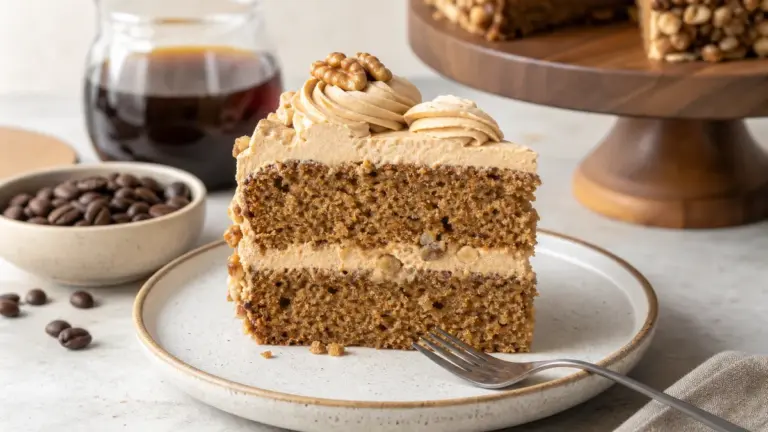 Coffee CakeMake American streusel coffee cake or British coffee and walnut cake with metric recipes, clear baking steps, buttercream tips and caffeine estimates.Read the guide
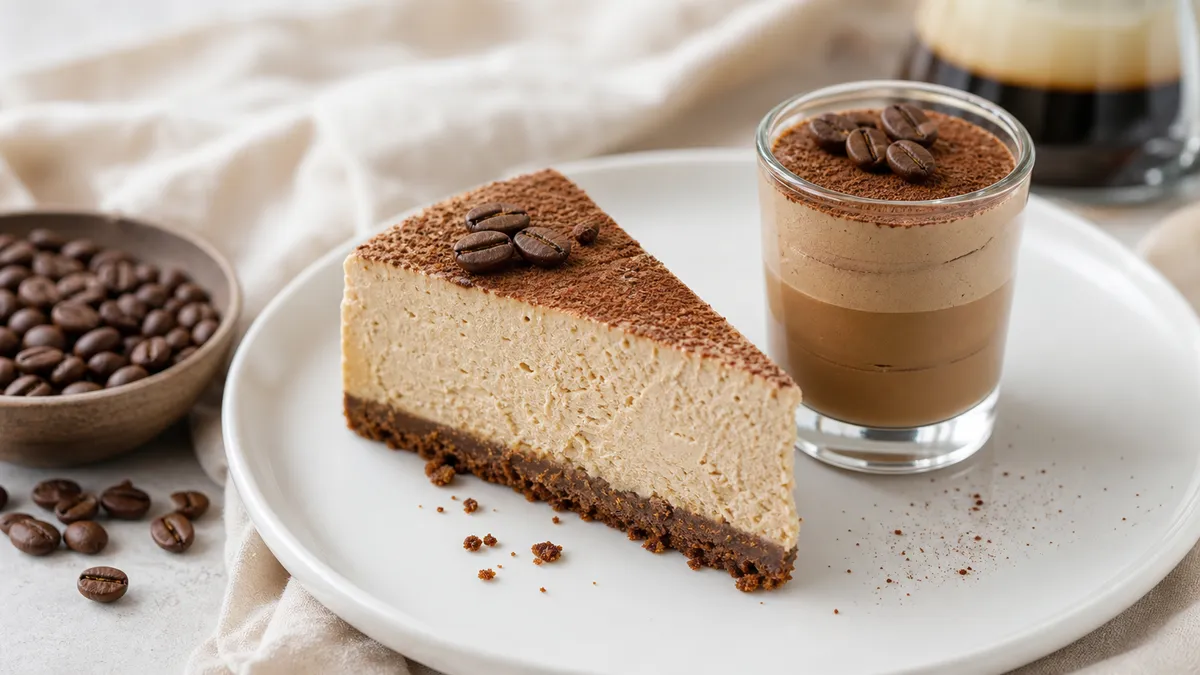
 Coffee Cheesecake and MousseMake no-bake coffee cheesecake and egg-free coffee mousse, with measured coffee concentrates, setting advice, safe chilling and caffeine estimates.Read the guide
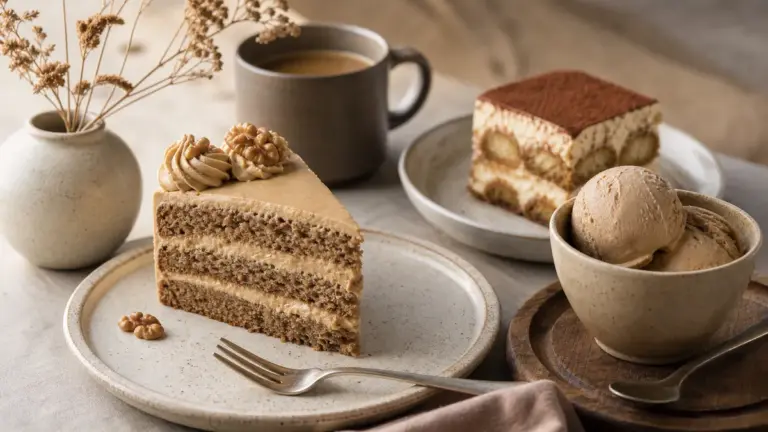 Coffee Desserts: The Complete GuideChoose coffee desserts and learn when to use espresso powder, instant or brewed coffee, with practical advice on flavour, texture, soaking and safe storage.Read the guide
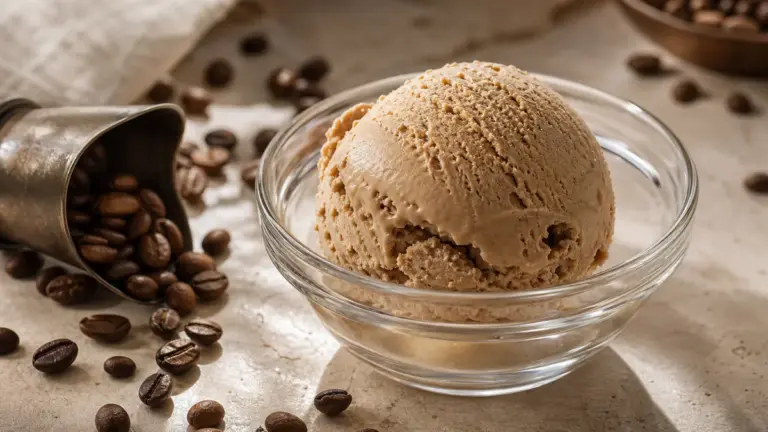 Coffee Ice CreamMake homemade coffee ice cream with a custard recipe in grams, safe cooling steps, espresso and bean variations, plus a simple no-churn alternative.Read the guide
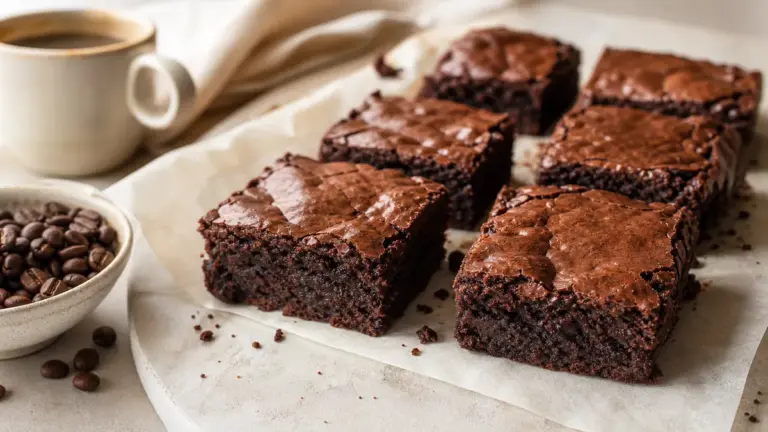 Espresso Brownies RecipeMake fudgy espresso brownies with weighed ingredients, soluble coffee powder, baking cues and clear storage guidance, plus a caffeine estimate explained.Read the guide
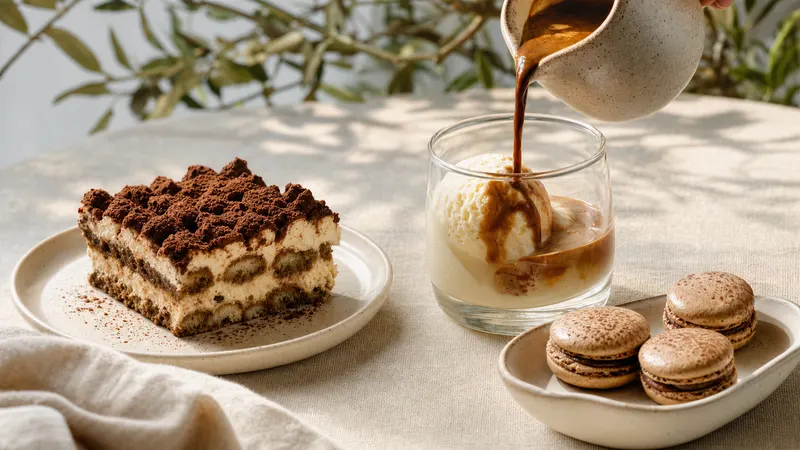
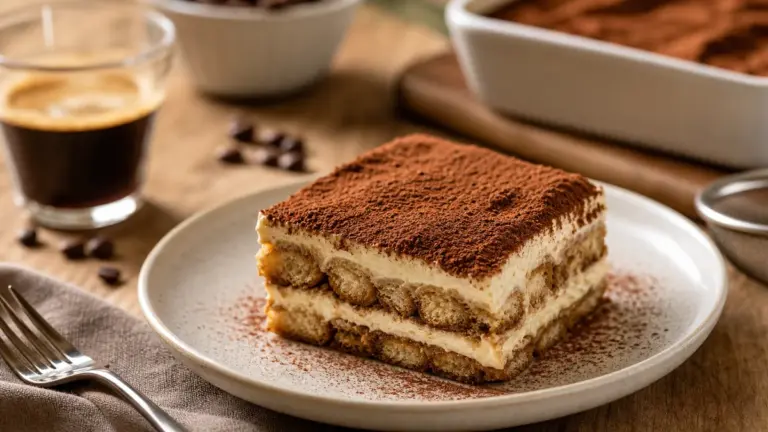 Tiramisu RecipeMake classic-style tiramisu with mascarpone, savoiardi and strong coffee, plus clear UK raw egg guidance, safe storage advice and practical variations.Read the guide
Start here if you are new
This hub helps you choose a dessert and find the right next read. The individual articles are where to go for ingredient quantities, methods and troubleshooting.
Our suggested starting path is:
- Understand the ingredient first. Read the complete dessert guide when you want help choosing and using coffee before committing to a recipe.
- Try a familiar bake. Choose coffee cake if you would rather practise with sponge and icing than manage soaking, setting or freezing.
- Explore a different technique. Move to tiramisu for a layered dessert whose preparation centres on dipping, whisking and chilling rather than baking a sponge.
You do not need to follow that order. If you already enjoy baking brownies, start there; if you want something to serve in individual glasses, look at mousse. The most useful first project is one you actually want to eat.
For the wider collection of drinks and kitchen projects, return to brewing and recipes.
Choose your coffee dessert
The comparison below uses four practical criteria: finished texture, preparation method, the role of coffee and the main planning consideration. It is a route into the collection, not a set of interchangeable recipes.
| Dessert | Texture and format | How coffee is used | Choose it when |
|---|---|---|---|
| Coffee cake | Sponge with coffee-flavoured icing | Dissolved coffee in the batter and icing | You want a cake to slice and share |
| Tiramisu | Soft sponge fingers layered with mascarpone cream | Coffee soaks the sponge fingers | You can allow time for chilling |
| Coffee ice cream | Frozen, scoopable dessert | Coffee flavours the ice-cream mixture | You have freezer space and advance preparation time |
| Espresso brownies | Dense chocolate squares | Espresso powder can support the chocolate flavour | You want chocolate and coffee together |
| Coffee cheesecake | Creamy filling over a biscuit base in a no-bake version | Coffee flavour can appear through the filling or another layer | You want a chilled centrepiece |
| Coffee mousse | Airy dessert served in small dishes | Dissolved coffee is folded into the mixture | You prefer individual servings |
Before choosing, read the whole method, including cooling and setting instructions. A short preparation stage does not necessarily mean a dessert will be ready soon.
Also decide whether you want coffee to be unmistakable or simply to deepen a chocolate dessert. Those are different aims, and the name alone may not tell you which result a recipe delivers.
Cakes: start with sponge and icing
Coffee cake is a useful starting point because it offers separate opportunities to work with coffee flavour. A recipe may put dissolved coffee into both the sponge and the icing, rather than relying on a topping alone.
Read Coffee Cake when you want a baked centrepiece and need to work through the cake itself. Keep the wider guide beside it if your question is about the coffee ingredient rather than the baking method.
Look closely at the form of coffee specified. Good Food’s coffee cake, for example, uses instant coffee dissolved in a small quantity of water. That is not an instruction to add a mug of brewed coffee: the recipe supplies both the flavouring and its accompanying liquid.
For a first attempt, follow that arrangement rather than changing the coffee, tin and icing together. If you later want a stronger result, make a note of what you changed so that a successful adjustment is repeatable.
Think about the finished cake as well as the sponge. Do you want an iced cake to bring to the table, or unfilled sponges to finish later? Good Food’s recipe allows the cooled, unfilled cakes to be frozen, making that a useful option when you want to separate baking from assembly.
Tiramisu: choose a layered, chilled pudding
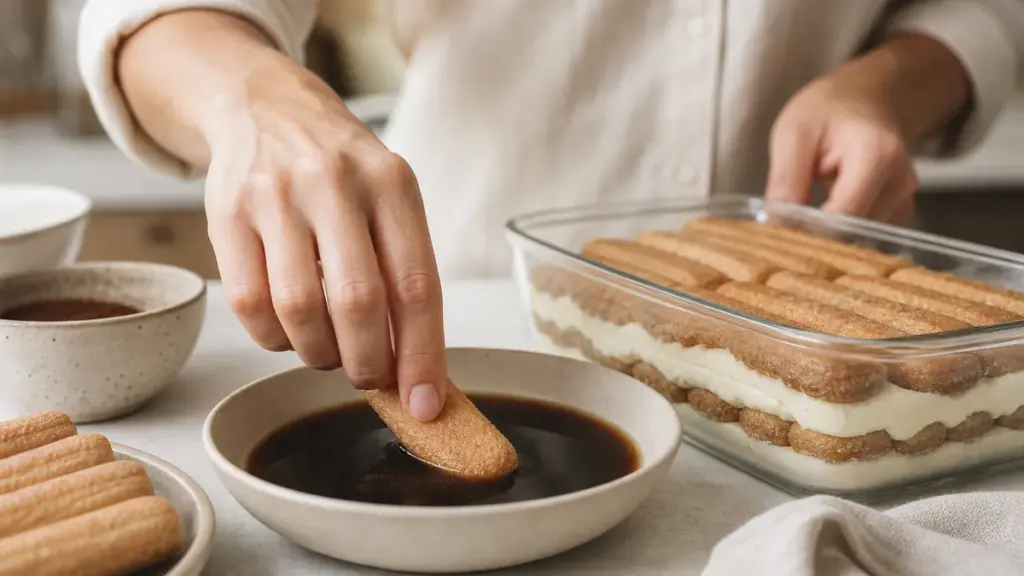
Tiramisu is the route to take when you want coffee-soaked sponge fingers and a soft mascarpone layer rather than a baked coffee crumb. The coffee has a structural role as well as a flavouring role: it supplies the soaking liquid for the biscuits.
Read Tiramisu before shopping, particularly if you have a preference about eggs or alcohol. Recipes differ, so choose the version you intend to make rather than treating every ingredient list as the same formula.
The dipping stage deserves attention. In Good Food’s cream-and-mascarpone version, the sponge fingers receive a brief dip so that they absorb coffee without becoming too soggy to handle. Leaving them submerged is not a shortcut to a better result.
Chilling is part of the preparation, not merely a convenient way of storing the finished dish. That same recipe calls for several hours or an overnight chill and explains that resting allows the sponge to soften and the flavours to mingle.
Our recommendation is to choose tiramisu when you can assemble it ahead of serving. If you need a dessert immediately, pick another route rather than trying to remove the resting stage.
Ice cream: plan the freezing before the mixing
Coffee ice cream is worth considering even if you do not own an ice-cream machine. Nigella Lawson’s no-churn version uses cream, condensed milk, instant espresso powder and coffee liqueur, whisked together before freezing.
Read Coffee Ice Cream when a frozen dessert appeals, then select the method that matches your equipment. Do not assume that a recipe written for churning and a no-churn recipe can share the same instructions.
The distinction is about more than convenience. In the no-churn method, whisking incorporates air before freezing; a machine incorporates air while the mixture freezes. Follow the chosen recipe’s mixing instructions rather than adding an extra stage simply because equipment is available.
Leave room for the container before you begin. It is an easy practical detail to overlook when the mixture itself takes little effort.
Allow proper freezing time too. Lawson’s recipe specifies six hours or overnight, so it belongs on the make-ahead list, not among last-minute puddings.
For your first batch, resist changing several ingredients at once. Establish whether you like the original texture and coffee intensity before experimenting with a different formula.
Brownies: decide how prominently coffee should feature
Espresso brownies sit between two possible results: chocolate brownies with added depth, and brownies intended to taste clearly of coffee. Decide which you want before choosing a recipe.
King Arthur Baking describes small additions of espresso powder as a way to intensify chocolate flavour without necessarily producing an obvious coffee taste. Its fudge brownie recipe includes espresso powder as an optional ingredient.
Read Espresso Brownies when you want coffee and chocolate together. Check whether the method is designed around a soluble powder or a measured quantity of liquid coffee, and follow that choice.
For a first batch, pay as much attention to the brownie instructions as to the coffee. King Arthur’s fudge brownies are baked until a tester shows moist crumbs rather than uncooked batter, then cooled before cutting. Coffee flavour does not remove the need to judge the bake properly.
Our suggested approach is to make the recipe as written, then assess the result after cooling. If the coffee seems too quiet, choose a recipe designed to bring it forward rather than repeatedly adding more liquid to an existing batter.
Cheesecake and mousse: choose sliceable or spoonable
Cheesecake and mousse both offer a chilled route, but they answer different serving needs. Start by deciding whether you want to cut portions from a larger dessert or bring individual dishes to the table.
Read coffee cheesecake and mousse when that choice is your starting point. It is the useful next stop for comparing a creamy centrepiece with an airy pudding.
Cheesecake for a chilled centrepiece
A no-bake cheesecake can combine several separately prepared layers. Good Food’s tiramisu cheesecake, for example, has a biscuit base, a coffee-liqueur chocolate layer and a cream-cheese topping, with chilling between stages.
That makes the full schedule worth checking before you start. Adding up only the mixing time misses the periods when a layer must set before the next is added.
Choose this route if you enjoy assembling a dessert in stages. Keep the tin available until the method says it is ready to release, rather than planning to transfer it early.
Mousse for individual servings
Coffee mousse offers a different texture through air incorporated into the mixture. Karen Burns-Booth’s coffee mousse pots use whipped egg whites and whipped cream, folded into a coffee mixture before chilling.
Do not judge a mousse recipe by its title alone. Check whether it uses uncooked eggs and whether it contains gelatine. Those details matter when choosing a dessert for particular guests.
Individual dishes are also a serving choice: decide their size before filling them, and make sure they fit in the fridge. A tray can help you move the filled dishes together without repeatedly handling each one.
Match the coffee to the recipe
The most useful distinction is not between expensive and ordinary coffee. It is between the ingredient forms the recipe actually expects.
Brewed coffee is ready to supply a soaking liquid, as in tiramisu. Instant coffee is used dissolved in the coffee cake recipe discussed above. Soluble espresso powder appears in both the no-churn ice cream and the brownie examples.
Do not read “espresso powder” as an invitation to add any finely ground coffee. King Arthur describes its baking espresso powder as coffee that has been brewed, dried and ground into a powder. Check the product description and the recipe’s wording together.
Keep a short record if you intend to repeat a dessert: the recipe, coffee product and any deliberate changes. That is more useful than remembering only that you used “strong coffee”.
For broader ingredient decisions, use Coffee Desserts: The Complete Guide; use the individual dessert articles when you are ready to cook.
Plan chilling and serving safely
Cream-based desserts need a storage plan as well as a serving plan. The Food Standards Agency recommends keeping a fridge between 0 and 5 degrees Celsius and following ingredient storage instructions and use-by dates.
Keep chilled ingredients out for the shortest practical time. For cooked components, the FSA advises cooling promptly and refrigerating within one to two hours. Its general advice is to eat leftovers within 48 hours or freeze them where suitable; follow any shorter applicable instruction.
For recipes containing uncooked or lightly cooked eggs, check the egg source. Current FSA guidance permits British Lion or Laid in Britain hen eggs for vulnerable groups, including pregnant people, young children and older people. This does not cover people who are severely immunocompromised and require medically supervised diets; follow their clinical advice.
For a shared meal, ask about dietary requirements before settling on a recipe. Keep ingredient packaging available, and do not describe a dessert as suitable for someone until you have checked every component.
FAQ
Does tiramisu have to contain alcohol?
No, alcohol is not compulsory in every tiramisu recipe. Good Food’s cream-and-mascarpone version explicitly allows the marsala to be omitted. Choose a method with an alcohol-free option rather than assuming that removing a substantial ingredient will always leave a different recipe unchanged. Check any additional coffee flavourings or liqueurs too.
Is American coffee cake always coffee-flavoured?
No, the name does not guarantee that coffee is an ingredient. King Arthur Baking’s No-Fuss Coffee Cake contains cinnamon, nuts and chocolate chips but no coffee. When searching beyond UK recipes, check the ingredient list rather than relying on the title if your aim is specifically a coffee-flavoured cake.
Can I taste brownie or cake batter before baking?
Do not taste batter containing uncooked flour unless its ingredients are specifically suitable for eating without cooking. The FSA warns that flour can contain food-poisoning bacteria and advises against tasting uncooked flour products. Using eggs suitable for raw consumption does not resolve the separate issue of uncooked flour.
Where to go next
Choose Coffee Cake for a baking project, or Tiramisu for a layered pudding to prepare ahead. Read Coffee Ice Cream for the frozen route, and Coffee Cheesecake and Mousse when choosing between a chilled centrepiece and individual coffee desserts.
Sources
Recipe sources were used as examples of particular methods, not as evidence that every version of a dessert uses the same ingredients.
- Good Food, Coffee cake, undated live recipe.
https://www.bbcgoodfood.com/recipes/coffee-cake - Good Food, Lulu Grimes, Best ever tiramisu, 2009, current online version.
https://www.bbcgoodfood.com/recipes/best-ever-tiramisu - Nigella Lawson, One-Step No-Churn Coffee Ice Cream, from Nigellissima, 2012.
https://www.nigella.com/recipes/one-step-no-churn-coffee-ice-cream - Nigella.com, Coffee Ice Cream Made in a Machine, 2015.
https://www.nigella.com/ask/coffee-ice-cream-made-in-a-machine - King Arthur Baking, Posie Brien, Baking with espresso powder, 2017.
https://www.kingarthurbaking.com/blog/2017/01/16/baking-with-espresso-powder - King Arthur Baking, Fudge Brownies, undated live recipe.
https://www.kingarthurbaking.com/recipes/fudge-brownies-recipe - Good Food, Tiramisu cheesecake, 2017.
https://www.bbcgoodfood.com/recipes/tiramisu-cheesecake - Great British Chefs, Karen Burns-Booth, Coffee mousse pots, 2015.
https://www.greatbritishchefs.com/recipes/coffee-mousse-recipe - Food Standards Agency, How to chill, freeze and defrost food safely, 2017, current guidance.
https://www.gov.uk/government/publications/how-to-chill-freeze-and-defrost-food-safely/how-to-chill-freeze-and-defrost-food-safely - Food Standards Agency, Home food fact checker, updated 2026.
https://www.gov.uk/government/publications/home-food-fact-checker/home-food-fact-checker - Food Standards Agency, Handling flour and flour products safely, 2024.
https://www.gov.uk/government/publications/handling-flour-and-flour-products-safely/handling-flour-and-flour-products-safely - King Arthur Baking, PJ Hamel, No-Fuss Coffee Cake, updated 2022.
https://www.kingarthurbaking.com/recipes/no-fuss-coffee-cake-recipe
This hub was researched using the retrieved recipe developers’ own published methods and current Food Standards Agency guidance; no first-hand recipe testing is claimed.
Last checked: November 2026