Coffee roasting turns green coffee beans into the brown, aromatic beans we grind and brew by applying controlled heat, then cooling them. The result depends on both the roast level, how light or dark the beans become, and the roast profile, how heat is applied over time.
In short
- Start with roast levels for choosing beans, then explore profiles to understand how roasters shape flavour.
- First crack and second crack are audible changes during roasting, not instructions to stop at one universal temperature.
- Maillard reactions and caramelisation are different chemical processes, and roasting reactions overlap.
- A roast curve records useful measurements, but tasting is still needed to judge the result.
- Cooling and degassing belong to the roasting story: freshly roasted coffee continues releasing gas after it leaves the machine.
Guides in Coffee Roasting
 Coffee Roast Levels ExplainedCompare coffee roast levels from cinnamon to beyond French, including bean colours, flavour, body, Agtron readings and what roast tells you about caffeine.Read the guide
 Coffee Roasting ProfilesUnderstand coffee roasting profiles, development time ratio and rate of rise, including crashes, flicks and why a smooth curve cannot guarantee flavour.Read the guide
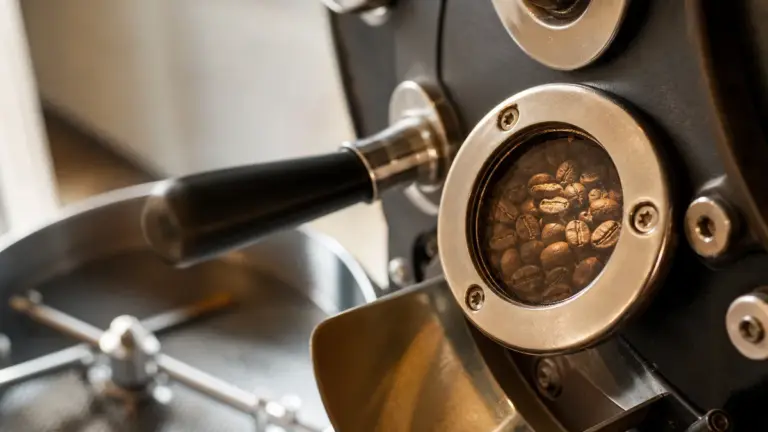 First Crack and Second CrackLearn what first and second crack sound like, what happens inside the beans, and how timing, development and surface oils relate to coffee roast…Read the guide
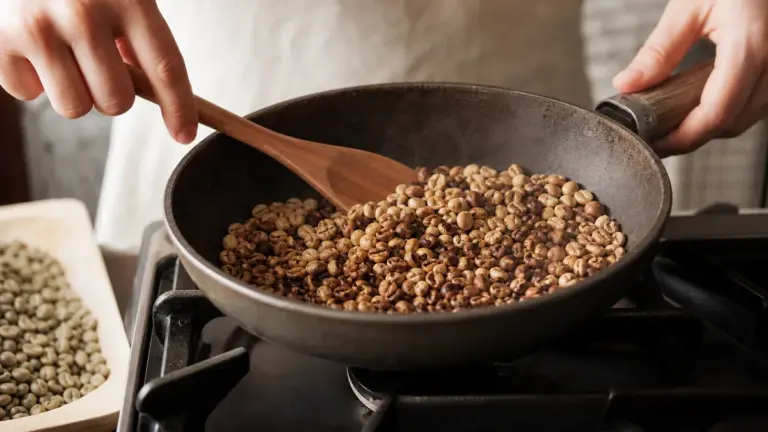 How to Roast Coffee at HomeLearn how to roast coffee at home, compare pans, ovens and home roasters, and manage smoke, chaff, cooling and resting with clear safety guidance.Read the guide
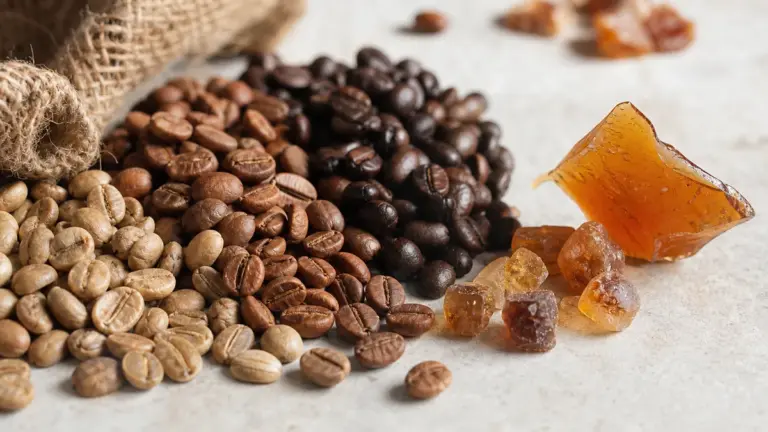 Maillard Reaction and CaramelisationLearn how Maillard reactions, caramelisation and Strecker degradation create coffee flavour, with temperature guides and a clear explanation of acrylamide.Read the guide
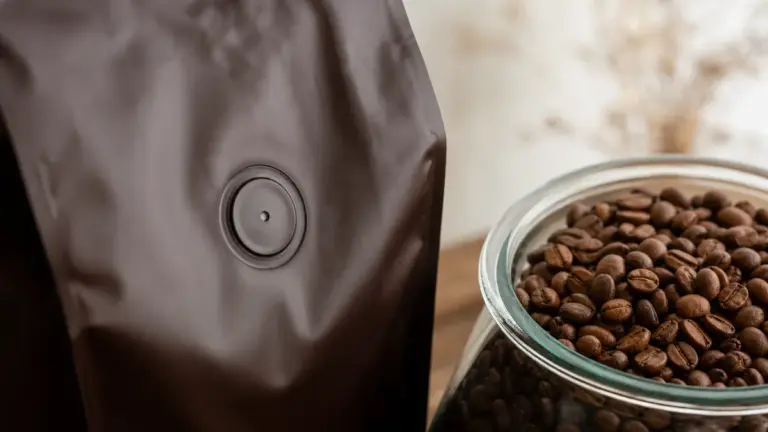 Roast Cooling, Degassing and FreshnessHow long should coffee rest after roasting? Understand cooling, CO₂ release, valves and oxidation, with practical starting points for filter and espresso.Read the guide
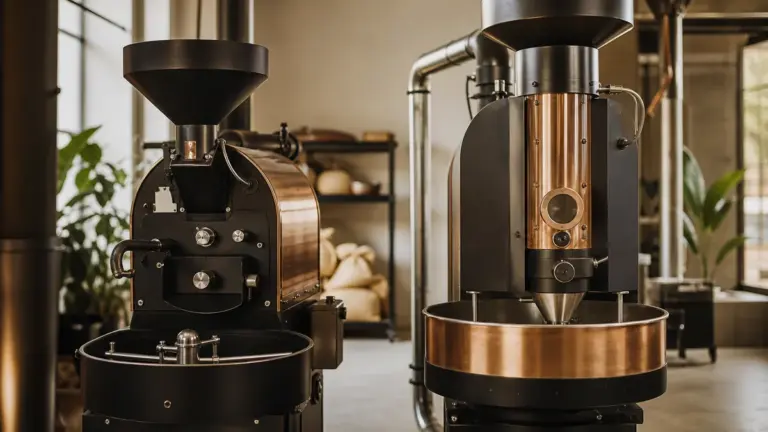 Roasting EquipmentUnderstand drum, indirect heat and fluid bed coffee roasters, with practical checks for capacity, heat transfer, cooling, extraction and afterburners.Read the guide
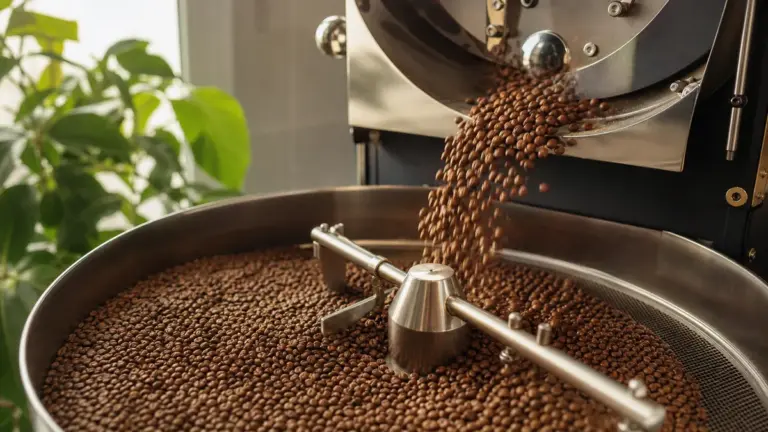 The Art of RoastingDiscover how coffee roasters combine heat, timing and tasting to shape light and dark styles, avoid poor development and repeat the intended flavour.Read the guide
Start here if you are new
Follow this short reading path before getting into temperature curves or equipment:
- the art of roasting introduces the decisions a roaster makes. Read it first for the relationship between observation, measurement and tasting.
- roast levels helps you interpret light, medium and dark descriptions when choosing beans. Read it next to connect the process with your preferences.
- roasting profiles explains how the route through a roast matters as well as its endpoint. Move here when you want to understand why similarly coloured coffees need not taste identical.
For the wider context of the raw material, return to beans and origins. Keep two questions separate as you explore: what did the green coffee bring to the roaster, and what did roasting change?
You do not need to roast coffee yourself to find this useful. Understanding the vocabulary makes it easier to describe what you enjoy and ask a roaster more useful questions than simply whether a coffee is “strong”.
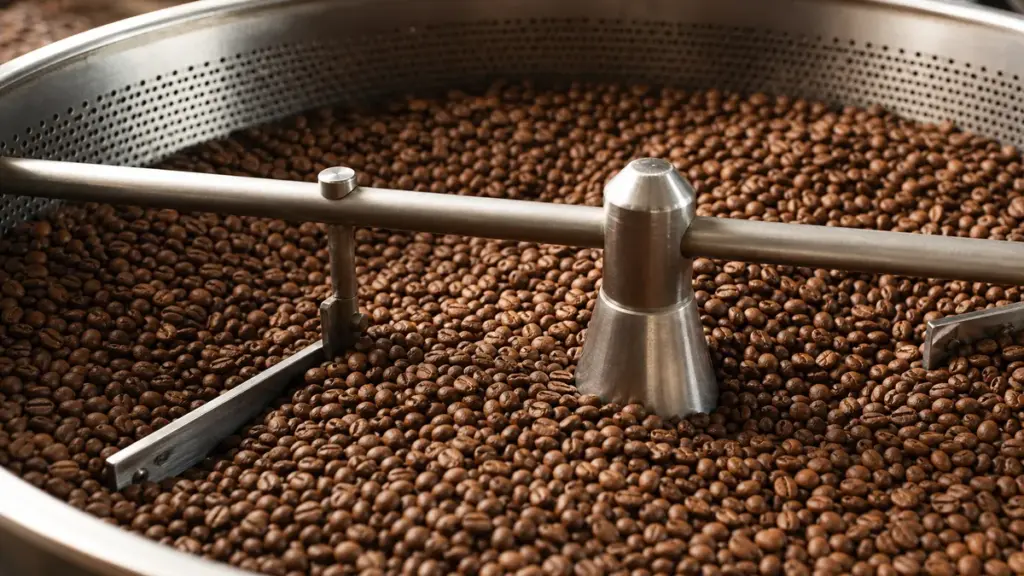
Coffee roasting at a glance
This overview separates the main subjects so you can go straight to the question you want answered. The final column suggests a reading route rather than a ranking of importance.
| Area | Main question | What to look for | Best next read |
|---|---|---|---|
| Roasting style | What is the roaster trying to achieve? | Intended flavour and brewing use | The Art of Roasting |
| Roast level | How far has the roast progressed? | Colour alongside flavour descriptions | Roast Levels |
| Roast profile | How was heat applied over time? | Temperature, timing and control changes | Roasting Profiles |
| Cracks | What do the sounds tell us? | Audible landmarks alongside other observations | First Crack and Second Crack |
| Chemistry | Where do colour and aroma come from? | Overlapping reactions, not isolated switches | Maillard Reaction and Caramelisation |
| Equipment | How does the machine deliver heat? | Bean movement, hot air, sensors and cooling | Roasting Equipment |
| Home roasting | How can I begin safely? | The machine’s instructions and a repeatable record | How to Roast Coffee at Home |
| After roasting | What happens before brewing? | Cooling, gas release and packaging | Roast Cooling, Degassing and Freshness |
Roasting styles and roast levels
Style describes an intention
A useful way to think about roasting style is as a statement of intent. Ask whether the roaster is aiming for pronounced acidity and fruit character, a gentler balance, or a more assertively roasted cup.
Treat descriptions such as “filter roast”, “espresso roast” and “omniroast” as starting points for a conversation, not as measurements. Ask what the roaster means by the label, which brewing method informed the tasting, and what flavours they expect you to find.
For a guide to these choices, read roasting decisions. It is the useful next step when you want to understand the judgement involved without immediately learning to operate a machine.
Level describes the extent of roasting
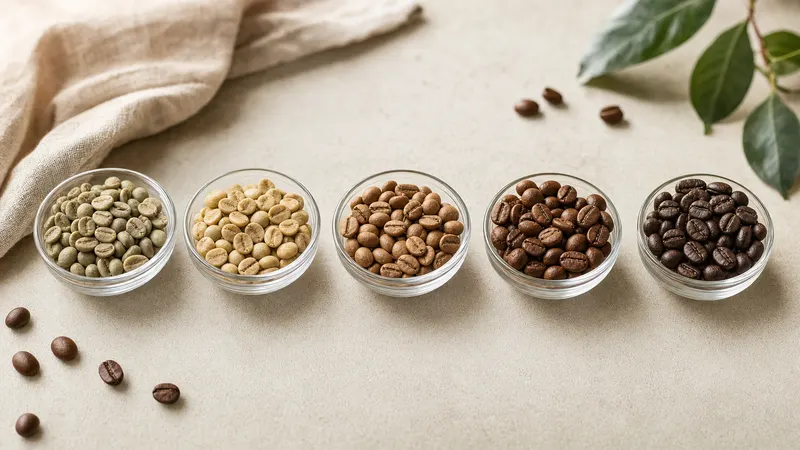
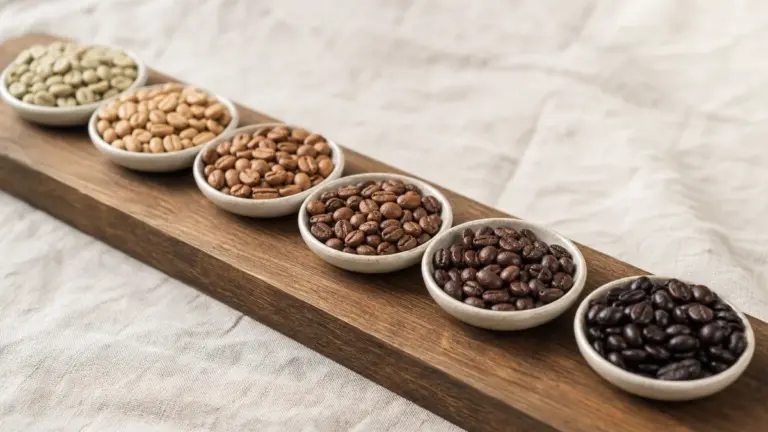
Light, medium and dark describe positions along a progression, rather than three separate processes. As a broad sensory guide, lighter roasts tend towards greater acidity and fruitiness, while darker roasting tends towards greater bitterness and roasted character.
Those tendencies are not guarantees for every coffee. Read the flavour description alongside the roast label, and use your experience of a particular roaster to interpret their range.
Controlled sensory research comparing roast colour and timing found colour to be the stronger predictor of flavour across the coffees studied. Timing still mattered, including when the final colour was held similar.
The roast level guide is the place to explore that spectrum in more detail. Use it when comparing bags, rather than trying to infer a complete flavour profile from a photograph of the beans.
Roast profiles: the route matters
A roast profile records how a batch progresses over time. It can include temperature measurements, heat settings, airflow changes and observations such as colour change and the beginning of first crack.
The distinction from roast level is simple: level describes an endpoint; profile describes the journey. A final brown colour cannot, by itself, tell you every adjustment made along the way.
Roasters commonly discuss three broad periods:
- Drying or pre-colour change: the early part of the roast, before visible browning.
- Browning to first crack: often called the Maillard phase.
- Development time: the interval from the beginning of first crack to the end of the roast.
These are practical labels, not sealed chemical compartments. In particular, Maillard reactions continue after first crack, so “the Maillard phase has finished” is an unhelpful literal interpretation.
Another term is rate of rise, usually shortened to RoR: how quickly a recorded temperature is increasing. Always check the time interval used when comparing figures.
Before comparing two curves, also ask what each sensor measures. An inlet-air temperature and a reading from a probe among the beans describe different things. Copying the displayed temperatures from one system into another is therefore not a reliable way to reproduce a roast.
Read understanding roast profiles when you want to interpret a graph or plan an experiment. Begin with what was measured, then examine the changes, rather than judging the curve by its shape alone.
First crack and second crack
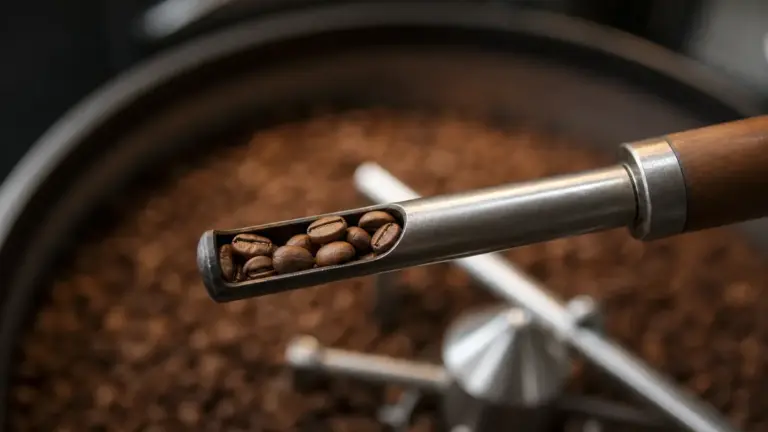
First crack is the audible popping associated with expansion and pressure inside the heating beans. It is an important roasting landmark, but hearing it does not tell you everything about the batch’s flavour or readiness.
Second crack is a later audible event associated with further structural breakdown. It is not a compulsory destination: lighter roasting finishes before this later stage.
Use sound alongside colour, elapsed time and the machine’s measurements. Avoid treating a temperature quoted for one roaster as a universal trigger for another, particularly when the sensors measure different parts of the system.
For anyone operating a home roaster, the distinction also has a safety purpose. Behmor’s manufacturer guidance, for example, warns that a heavy rolling second crack and heavy or bluish smoke indicate a dangerously advanced roast. Follow the limits and procedures for your own machine rather than using another manufacturer’s instructions.
The guide to first and second crack is the next read when you want to connect what you hear with what is happening. Use it to learn the landmarks, not as a substitute for an operating manual.
Maillard reactions and caramelisation
Roasting is not simply drying beans until they become brown. Heat changes their chemistry, producing and transforming compounds that contribute to aroma, colour and taste.
Maillard reactions involve sugars reacting with amino compounds, including components of proteins. They form a complex network of products, including aroma compounds and brown materials called melanoidins.
Caramelisation involves the heat-driven transformation of sugars without requiring amino compounds. It is related to browning and flavour formation, but it is not another name for the Maillard reaction.
The distinction matters because everyday flavour language is less precise than chemistry. A “caramel” tasting note does not identify one reaction responsible for the whole impression. Nor should a roast be imagined as drying completely, switching on Maillard reactions, switching those off, then beginning caramelisation.
Read Maillard reactions and caramelisation when you want the mechanism behind the colour and aroma changes. It is also the right place to untangle chemical explanations from convenient roasting shorthand.
For more advanced reading, keep chemical measurements separate from sensory judgements. A controlled roasting study published in Scientific Reports in 2024 found that titratable acidity peaked around first crack in its experimental coffees, then declined towards second crack.
Titratable acidity measures acid neutralisation under a specified laboratory method. The researchers did not establish how sour those samples tasted, so their findings should not be converted into a universal rule about the best-tasting stopping point.
Roasting equipment and home roasting
Understand how the machine works
Equipment shapes how heat reaches the beans and how the operator observes and controls the process. Two useful starting categories are rotating-drum machines and hot-air systems.
Do not assume that a drum roaster heats beans only through contact with hot metal. PROBAT describes its Neptune drum machines as transferring heat primarily by convection, meaning heat carried by moving air.
Hot-air systems also need closer examination than their category name suggests. IKAWA’s published explanation describes heated air both transferring heat and moving the beans, while its profile temperature measures inlet air rather than bean temperature.
Read roasting equipment to compare operating principles before looking at individual machines. Focus on what you can measure and control, how beans move, how smoke and chaff are handled, and how cooling works.
Begin home roasting with a repeatable process
For a first attempt, use a purpose-designed roaster within its manufacturer’s instructions. Do not begin by transferring an unfamiliar online profile into the machine.
A sensible learning record includes the green coffee used, batch mass in grams, selected programme or settings, observed landmarks, cooling procedure and later tasting notes. Keep the batch and method consistent before making deliberate changes.
Safety comes before experimentation. Never leave the roaster unattended; follow its ventilation requirements, chaff-cleaning instructions, permitted roast limits and complete cooling procedure. Roasting beans can ignite.
The guide to home coffee roasting is the practical next step. Use it for preparation and record-keeping, with the manual for your exact machine beside you.
Cooling, degassing and judging the result
The roast does not end with the decision to stop heating. Cooling is a distinct part of the process, and a machine’s cooling cycle should be completed as instructed.
Afterwards, roasted beans release gases formed during heating, much of which is carbon dioxide. This is degassing. Grinding releases gas more abruptly, and carbon dioxide also influences extraction and espresso crema.
There is no sound basis for assigning every coffee the same resting interval. Controlled measurements show that roast degree and roasting speed affect gas release, while whole beans and ground coffee behave differently.
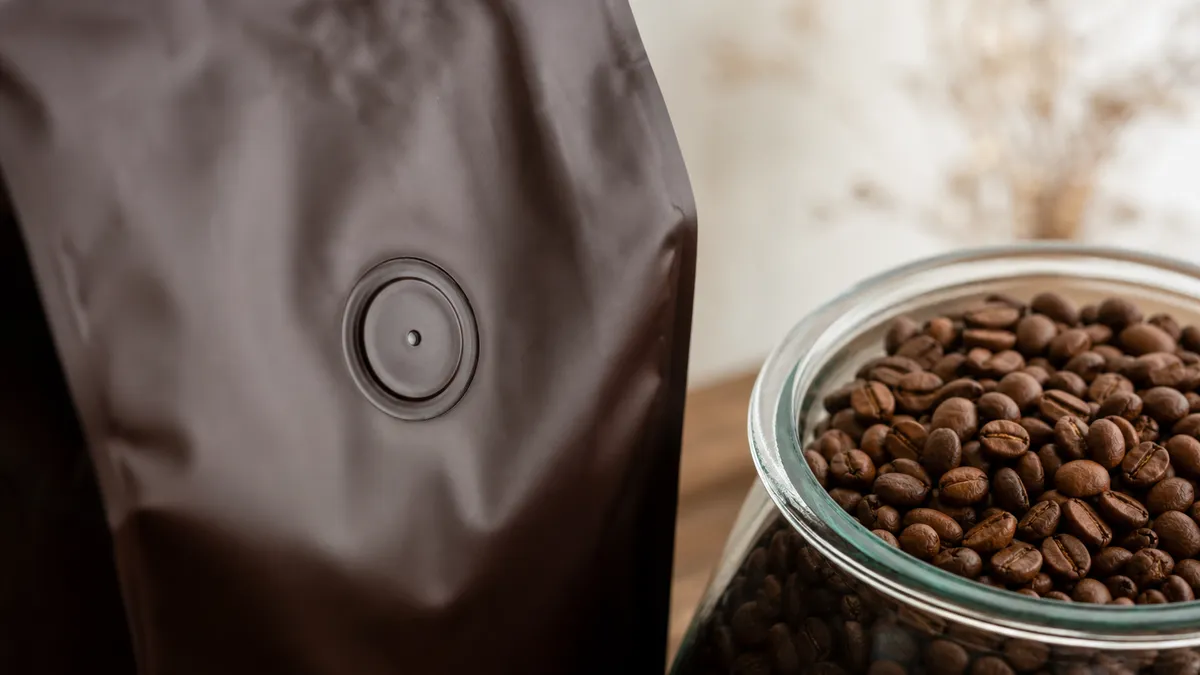
One-way valves in coffee packaging allow released gas to escape without substantial pressure building inside the bag. That explains their purpose, but the presence of a valve does not tell you when a particular coffee will taste best.
Read cooling, degassing and freshness before deciding how to handle a new batch. For your own comparisons, record the roast date and tasting date, and follow the roaster’s brewing advice as a starting point.
Finally, distinguish a useful measurement from a complete verdict. Colour helps describe roast progression; temperature records help explain the process; tasting answers whether you enjoy the result. Coffee roasting becomes easier to understand when those forms of evidence are used together.
FAQ
Can coffees with the same roast colour taste different?
Yes, similar colour does not guarantee identical flavour. Controlled sensory research found that timing could influence flavour even at the same roast colour. Colour is therefore useful for comparison, but it does not capture the entire process. When assessing your own experiments, keep the green coffee and brewing method consistent rather than changing everything together.
Can I judge roast level by how oily the beans look?
No, surface oil alone is not a reliable roast-level test. Behmor’s guidance specifically warns against judging a roast by the presence or absence of oil, because oil can become visible during rest rather than inside the roaster. Consider colour and the roaster’s description instead, and never keep roasting simply while waiting for a sheen.
Does a large espresso crema prove the beans are fresh?
No, crema alone cannot prove freshness or quality. Carbon dioxide contributes to crema formation, but the degassing research also notes that older coffee can retain gas that is released during extraction. Use the roast date, storage history and taste alongside appearance rather than treating a thick crema as a certificate of quality.
Where to go next
Choose The Art of Roasting for the overall decision-making process, or Roast Levels to make better sense of the next bag you buy. Continue with Roasting Profiles for controlled experimentation, then Roast Cooling, Degassing and Freshness to understand what happens between coffee roasting and brewing.
Sources
-
Specialty Coffee Association, What Color is Your Coffee?, 25, Issue 21, 2024. Research explanation by UC Davis Coffee Center scientists.
https://sca.coffee/sca-news/25/issue-21/what-color-is-your-coffee-37lk7 -
Specialty Coffee Association, Developing Roast Color Standards for the Specialty Coffee Industry: A New Roast Color Measurement Approach, white paper, 2025.
-
Münchow and colleagues, Beverages, Roasting Conditions and Coffee Flavor: A Multi-Study Empirical Investigation, 2020. Publisher’s indexed article text retrieved.
https://www.mdpi.com/2306-5710/6/2/29 -
UC Davis researchers, Scientific Reports, The effect of roast profiles on the dynamics of titratable acidity during coffee roasting, 2024. Article text retrieved through PubMed Central’s indexed record.
https://pmc.ncbi.nlm.nih.gov/articles/PMC11002029/ -
American Chemical Society, What Makes Coffee Taste and Smell Delicious?, inChemistry, April/May 2016. Used for introductory chemistry and crack explanations, not universal operating temperatures.
https://inchemistry.acs.org/content/dam/inchemistry/magazine/apr-may-2016-issue.pdf -
Böhm and colleagues, Journal of Agricultural and Food Chemistry, Role of Proteins in the Formation of Melanoidins during Coffee Roasting, 2023. Abstract retrieved through PubMed.
https://pubmed.ncbi.nlm.nih.gov/37962901/ -
IKAWA, How to Roast with IKAWA, guide hosted in its April 2021 document directory; publication date not stated. Used for the manufacturer’s description of heat transfer, temperature measurement and cooling.
https://www.ikawacoffee.com/wp-content/uploads/2021/04/How-to-roast-with-IKAWA.pdf -
PROBAT, Neptune Series, manufacturer’s product documentation, undated. Used only for its stated operating principle.
https://www.probat.com/products/machines/roasting/neptune-series/ -
Behmor, Behmor Roaster Quick Start Guide, manufacturer’s guidance, undated.
https://behmor.com/knowledge-base/behmor-roaster-quick-start-guide/ -
Smrke and colleagues, Journal of Agricultural and Food Chemistry, Time-Resolved Gravimetric Method To Assess Degassing of Roasted Coffee, 2018. Full paper retrieved from Zurich University of Applied Sciences.
https://digitalcollection.zhaw.ch/items/4789f6f9-a182-4840-a313-54a3e8445aec
This hub was researched using retrieved scientific papers, SCA publications and manufacturers’ operating explanations, with experimental findings distinguished from practical reading guidance.
Last checked: November 2026