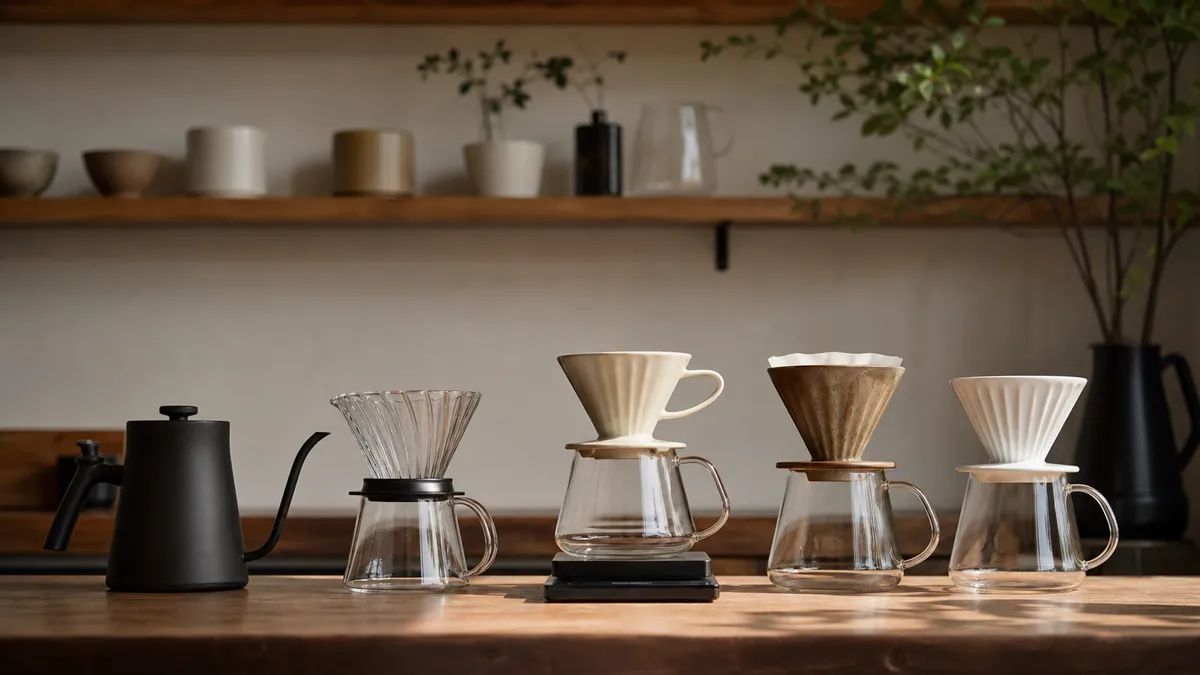
Coffee culture is the way people prepare, share and give meaning to coffee, from a quick Italian espresso to an Ethiopian ceremony built around roasting, brewing and conversation. Around the world, the differences involve not just what is in the cup, but who serves it, where people gather and how much time they give each other.
In short
- Compare cultures through the setting, preparation, serving etiquette and purpose of the gathering, not just the drink.
- Arabic and Turkish coffee traditions connect hospitality with practices passed between generations.
- Swedish fika makes the shared pause central; some Japanese music cafés make quiet listening part of the experience.
- National labels are starting points, not rules that describe every household or café.
- Modern specialty coffee is not a separate country or a single brewing method: it is an approach that can sit alongside local traditions.
Guides in Coffee Culture
 Arabic Coffee TraditionsUnderstand Arabic coffee traditions, from cardamom and saffron to the dallah, finjan, serving etiquette, regional differences and UNESCO recognition.Read the guide
 Asian Coffee TraditionsExplore Asian coffee traditions, from Vietnamese phin and egg coffee to South Indian kaapi, Nanyang kopi, Thai oliang and Japanese kissaten culture.Read the guide
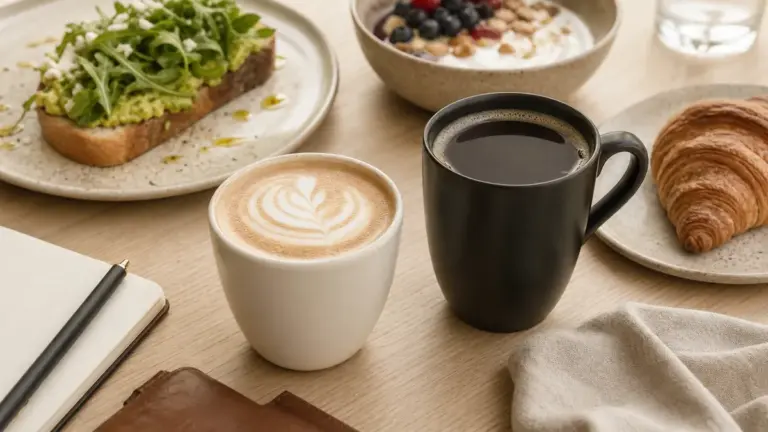 Australian and Melbourne Coffee CultureExplore Australian and Melbourne coffee culture, from migrant espresso bars to flat whites, long blacks, brunch and its influence on UK cafés.Read the guide
 Coffee and SocietyExplore coffee’s role in society, from coffeehouses and social clubs to workplace routines, employment and debates about who gets to belong.Read the guide
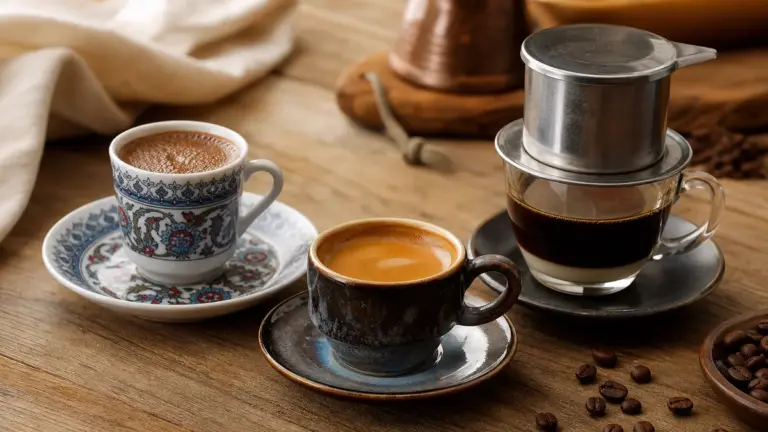 Coffee Around the WorldExplore coffee around the world, from Ethiopian ceremonies to Vietnamese phin coffee, with serving customs, etiquette and dated consumption figures.Read the guide
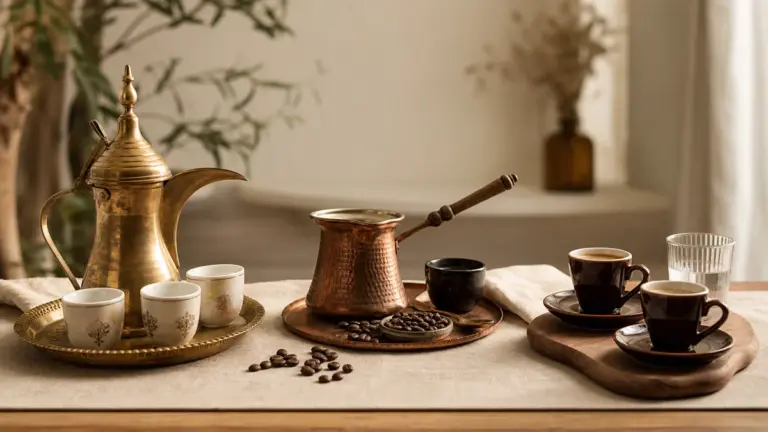 Coffee in Different CulturesExplore what coffee means across cultures, from hospitality and shared breaks to gender, religion and the ways global influences reshape local traditions.Read the guide
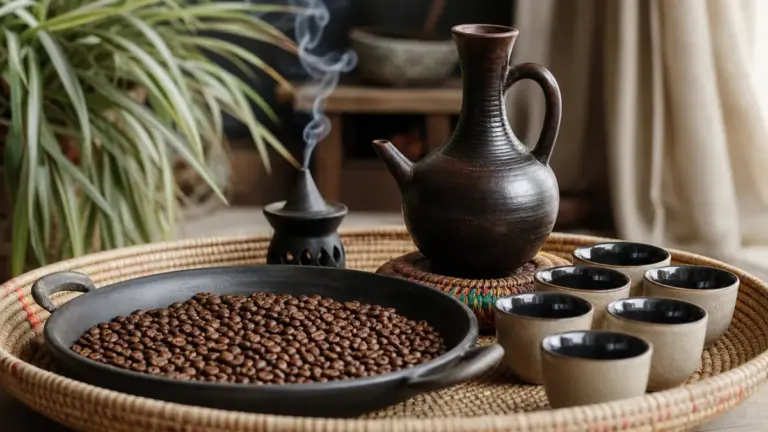 Ethiopian Coffee CeremonyFollow the Ethiopian coffee ceremony from pan-roasting to jebena brewing, with abol, tona and baraka, incense, popcorn and practical advice for guests.Read the guide
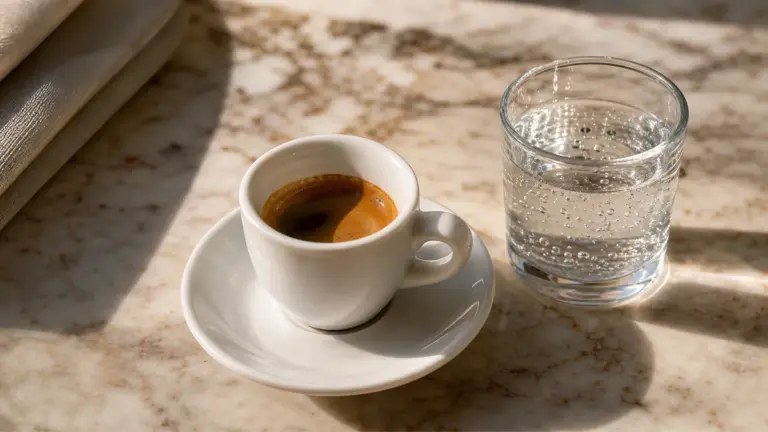 Italian Espresso CultureUnderstand Italian espresso culture, from standing at the bar and paying with a receipt to cappuccino timing, regional drinks and everyday etiquette.Read the guide
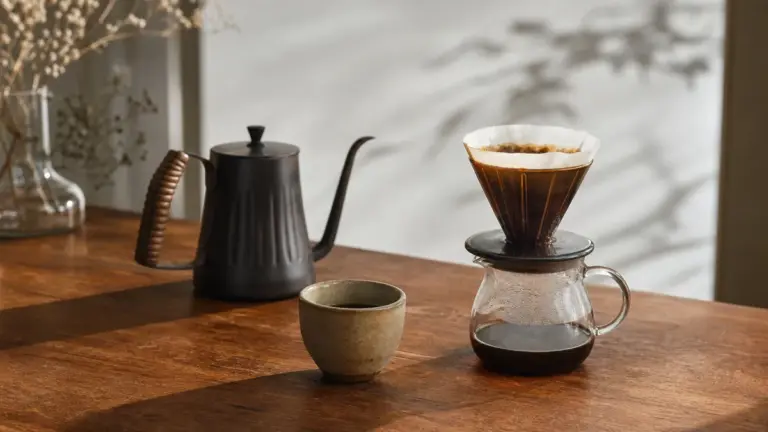 Japanese and Korean Coffee CultureExplore Japanese kissaten, hand drip and canned coffee, plus South Korea’s café boom, iced Americano habit, themed spaces and distinctive café design.Read the guide
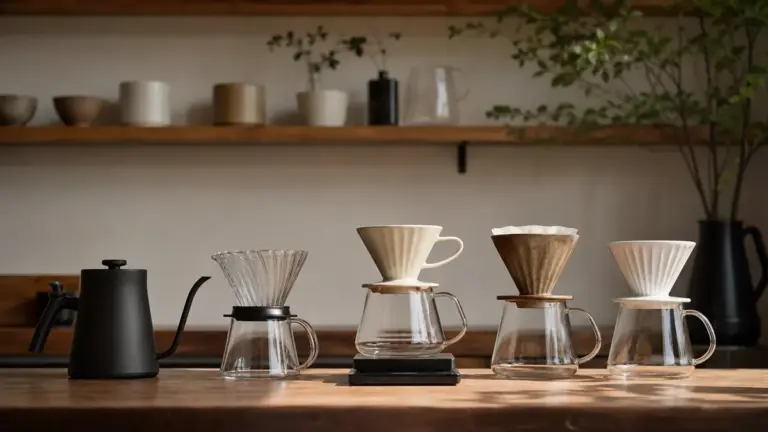 Modern Specialty Coffee CultureUnderstand specialty coffee culture, from traceability and brewing bars to competitions, social media, elitism and ways to explore the UK scene.Read the guide
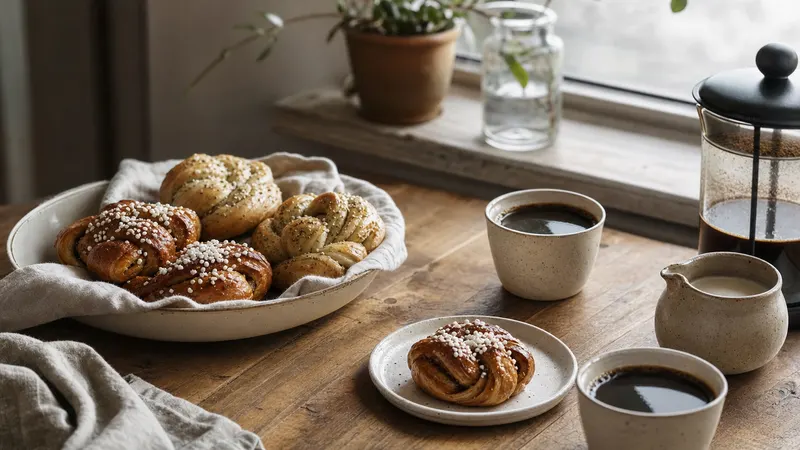
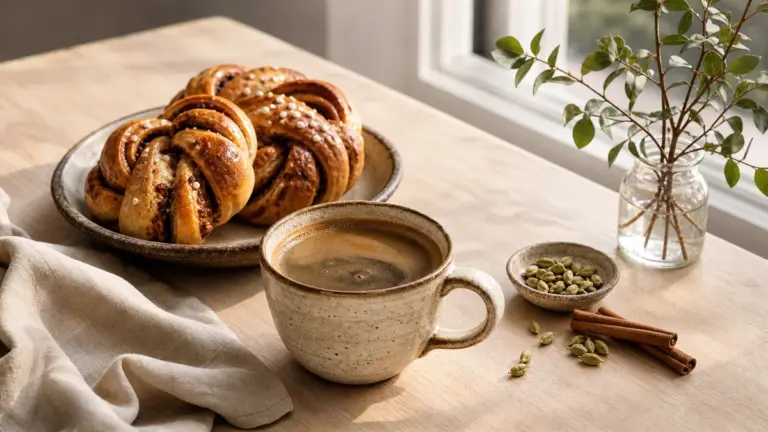 Swedish Fika and Nordic Coffee CultureUnderstand Swedish fika, Nordic coffee consumption, light roasts, cinnamon and cardamom buns, workplace breaks and the regional tradition of kaffeost.Read the guide
 The Role of Coffee in Social GatheringsExplore how coffee supports hospitality, family traditions, charity mornings, meetings and dates, with practical advice for welcoming every guest.Read the guide
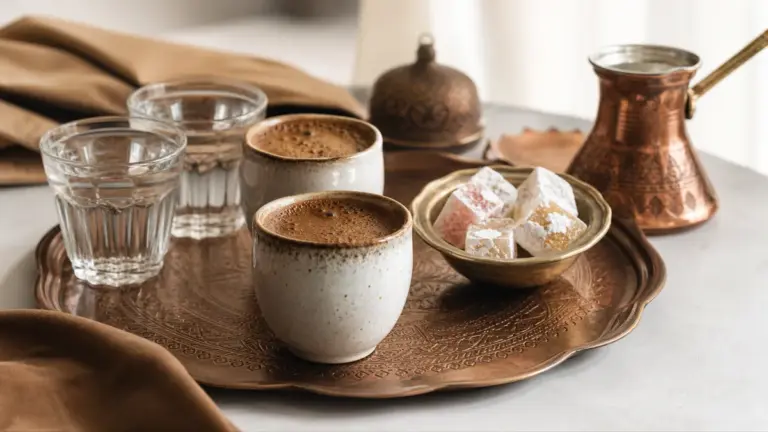 Turkish Coffee RitualsExplore Turkish coffee rituals, from foam, water and sweets to fortune reading, marriage customs and the cultural tradition recognised by UNESCO in 2013.Read the guide
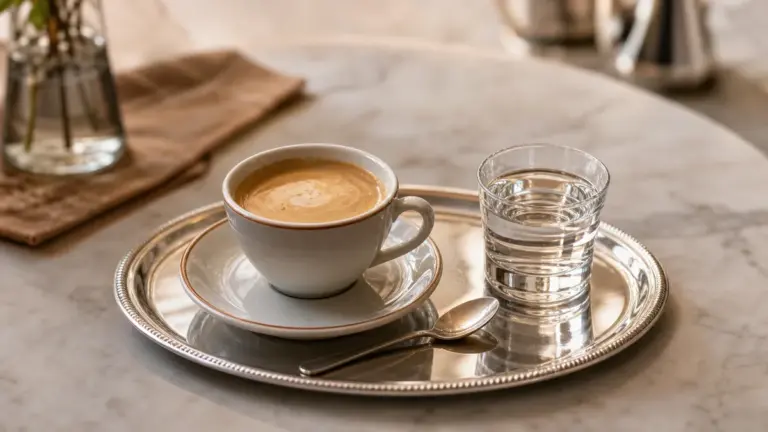 Viennese and French Café CultureUnderstand Vienna’s coffee houses and French café culture, from Melange and newspapers to Parisian terraces, café crème and practical ordering tips.Read the guide
Start here if you are new
Follow this short reading path before choosing a particular tradition:
- coffee around the world gives you the geographical overview. Start here to place unfamiliar drinks and customs before exploring their detail.
- coffee in different cultures helps you compare what coffee means in different settings. Read it next to move beyond a list of national drinks.
- coffee and society takes the wider view of coffee’s relationship with public life and social connections. Choose it when your question is less “what do people order?” and more “why do they gather?”
This hub belongs to culture and travel. Use it as a guide to the cultural articles, rather than as a recipe collection or a set of instructions for every destination.
A useful starting question is: what is the coffee occasion asking people to do? Welcome a guest, take a break, exchange news, listen, linger or examine flavour? That question often reveals more than the shape of the cup.
Coffee culture around the world at a glance
The table compares selected traditions through three consistent features: the drink or preparation, its setting and its social emphasis. These are examples, not complete descriptions of entire populations.
| Culture or setting | Recognisable coffee practice | Social emphasis |
|---|---|---|
| Arabic hospitality traditions | Coffee served to guests with established serving etiquette | Generosity, respect and welcome |
| Turkish coffee | Finely ground coffee brewed slowly and served in small cups | Conversation, friendship and ceremonial occasions |
| Ethiopian ceremony | Beans roasted, ground and brewed as part of the gathering | Hospitality and time spent together |
| Italian espresso culture | A small espresso, often enjoyed at the bar | A brief, sociable everyday pause |
| Swedish fika | Coffee, often with something sweet | Making time for company |
| Norwegian coffee occasions | Coffee shared at home, at meetings and during breaks | Informal connection |
| Viennese coffee houses | Coffee in a distinctive seated coffee-house setting | Time to read, talk and remain |
| French café culture | Café and terrace gatherings, notably in Paris | Public sociability and observation |
| Japanese kissaten | Traditional coffee shops, often serving pour-over or syphon coffee | Local familiarity, careful preparation or listening |
| South Korean café settings | Distinctive café spaces, including themed and book cafés | Meeting, shared interests and the setting itself |
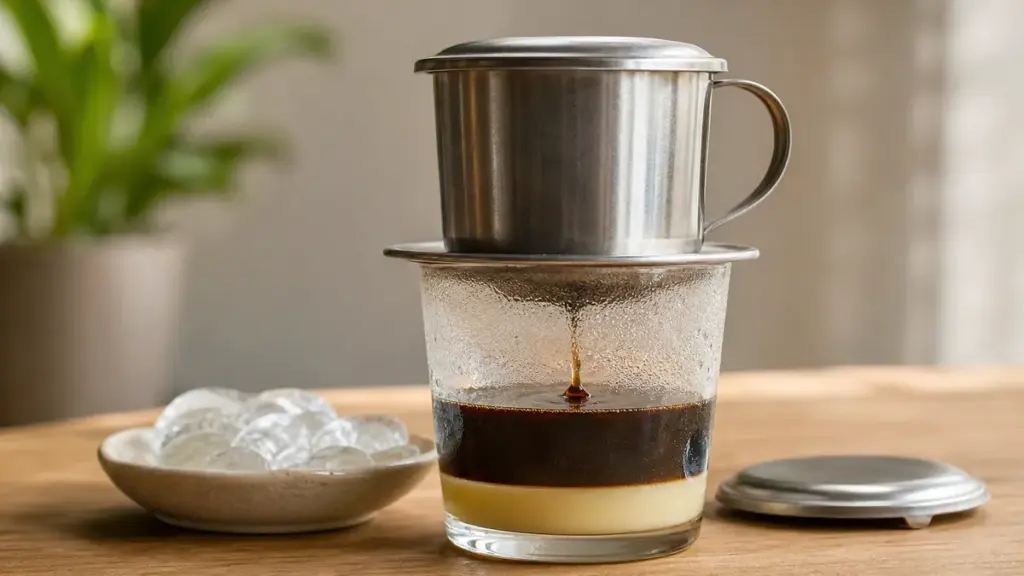
| Vietnamese coffee | A metal phin filter; iced coffee with condensed milk among familiar drinks | Coffee as an occasion to sit and talk |
| Singaporean kopitiams | Kopi alongside breakfast foods | Everyday eating and gathering |
| Melbourne café culture | Espresso cafés, neighbourhood coffee stops and brunch | Regular routines and café-based social life |
| Colombian coffee vocabulary | A tinto means black coffee | Local language shaping an everyday order |
| Modern specialty coffee | Attention to distinctive flavour and information about the coffee | Learning, comparison and connections across the supply chain |
Do not read this as a hierarchy of seriousness. A carefully prepared filter coffee and a familiar cup shared with a neighbour answer different questions, and neither needs to justify itself by becoming the other.
Hospitality and ceremony: Arabic, Turkish and Ethiopian coffee
These traditions are useful places to begin because the preparation and service help explain the relationship between host and guest.
Arabic coffee traditions
UNESCO describes Arabic coffee as a symbol of generosity, associated with daily hospitality, weddings and gatherings. Its account includes serving older people and guests first, pouring with the right hand and shaking the cup to indicate that no more is wanted.
Those details make service part of the message. The host is not simply delivering a beverage, but recognising the guest through an understood sequence of actions.
Read Arabic coffee traditions for the meaning of the welcome and the etiquette surrounding it. It is the useful next step if you want to understand the service rather than copy a gesture without its context.
“Arabic coffee” should not be treated as a promise that every community follows one identical recipe or serving routine. Follow the host’s example rather than turning a cultural description into an inflexible checklist.
Turkish coffee rituals
Turkish coffee combines a particular preparation with a communal tradition. UNESCO describes finely powdered coffee brewed slowly in a pot, then served in small cups with water; it also identifies conversation, engagement ceremonies and the playful reading of the remaining grounds among its cultural associations.
Choose Turkish coffee rituals when you want to connect the brewing method with the occasion. It explains why the pot and cup matter without reducing the tradition to equipment alone.
The comparison with Arabic hospitality is useful, but the names are not interchangeable. Read each practice on its own terms before looking for similarities.
Ethiopian coffee ceremony
The Ethiopian embassy’s account describes green beans roasted in a pan, ground with a pestle and mortar, then brewed in a clay pot. Incense and snacks such as popcorn can accompany the gathering.
Here, preparation itself occupies shared time. Guests encounter stages that would otherwise have happened elsewhere, before the coffee reached the table.
Read Ethiopian coffee ceremony to follow that sequence and understand its place in hospitality. Give the ceremony its own attention rather than treating it as simply a slower version of café service.
European coffee cultures: quick stops and unhurried tables
Europe offers a useful contrast between coffee occasions. Compare the brief encounter at an espresso bar with the shared break or the seated coffee-house visit, while remembering that these forms can coexist.
Italian espresso culture
In Italian coffee ordering, a caffè commonly means an espresso. Eataly’s account describes coffee enjoyed al banco, at the bar, with friends, and places cappuccino within the breakfast routine.
Read Italian espresso culture for the relationship between the drink, the bar and the rhythm of the occasion. It is especially useful for understanding why a small drink can support a complete social encounter.
Treat descriptions of customary ordering as guidance, not a test of whether somebody deserves their coffee. Learning the local vocabulary is more useful than policing another person’s cup.
Swedish fika and Nordic coffee culture
Fika is the Swedish social coffee break, usually involving coffee and something sweet. Visit Sweden emphasises the pause and connection, including its place in many workplaces.
Choose Swedish fika and Nordic coffee culture to explore the shared break and then compare it with neighbouring traditions. Keep the distinction clear: fika is Swedish, not a single name for every Nordic coffee custom.
Visit Norway, for example, describes coffee shared across kitchen tables, at meetings and when guests arrive. The useful comparison is the place given to an informal encounter, rather than an assumption that everyone drinks the same coffee in the same way.
Viennese and French café culture
The Austrian Commission for UNESCO describes Viennese coffee-house culture through its distinctive atmosphere, including marble tables, seating and newspapers. It entered Austria’s national inventory of intangible cultural heritage in 2011, which is different from inscription on UNESCO’s international Representative List.
France’s official tourism account presents Parisian cafés and terraces as settings for social life, with associations with writers, thinkers and artists.
Read Viennese and French café culture to compare these public places without merging them into one supposedly universal European café. Look at what the room invites: reading, conversation, watching the street or spending time alone among others.
Asian coffee traditions: begin with differences
“Asian coffee” is too broad to function as a single drink description. Start with a particular place and practice, then make comparisons.
Vietnam’s phin is a small metal coffee filter. Coffee served over ice with sweetened condensed milk is one familiar expression of the country’s coffee culture. In Singapore, the National Heritage Board documents kopi within a breakfast tradition involving kaya toast and soft-boiled eggs, served in kopitiams and at hawker-centre coffee stalls.
Read Asian coffee traditions for the wider regional route. It is the right starting point when you want to distinguish practices rather than assume that neighbouring countries share one coffee identity.
For Japan and South Korea, move to Japanese and Korean coffee culture. This pairing is useful for comparing the role of the café while keeping the two countries distinct.
Japan’s kissaten, traditional coffee shops, include places associated with pour-over and syphon brewing. Some music cafés prioritise listening, with conversation discouraged. Seoul’s municipal account, meanwhile, documents café streets, distinctive interiors and book cafés hosting readings and discussion.
These examples challenge the idea that every café is chiefly a place for talking. Before settling in, notice whether the particular room encourages conversation, concentrated listening or another kind of visit.
Australian coffee culture and the Melbourne café
Visit Melbourne presents coffee as an everyday ritual across city laneways and neighbourhood café strips, alongside breakfast and brunch. Its account includes both quick coffee stops and places to sit.
Read Australian and Melbourne coffee culture for a closer look at that café-centred experience. Use it to understand the relationship between the coffee stop, the neighbourhood and the meal, rather than as a contest over which city makes the best cup.
Melbourne is a useful focus, not a substitute for all of Australia. When comparing it with an Italian bar or a Viennese coffee house, ask the same questions: how does service work, what do people come to do and how does the space shape the visit?
Coffee, society and gatherings
To move from individual customs to the gathering itself, read the role of coffee in social gatherings. Choose it when you want to understand the invitation, the hosting and the shared occasion rather than concentrate on one country.
A useful reading framework separates three layers:
- The drink: what is prepared and served.
- The gathering: who participates, who hosts and what people do together.
- The wider setting: which accounts are being told, and whose experience may be missing.
This framework also helps keep coffee-producing countries in view as places of consumption, not merely sources of beans. Colombia’s official tourism guide, for example, explains that a tinto is black coffee and tintico is an affectionate form of the name.
Ask who is doing the work as well as who is drinking. When reading a cultural account, look for the host, preparer and server, not just the celebrated guest or famous café patron.
Modern specialty coffee: another layer, not a replacement
The Specialty Coffee Association’s current definition centres on distinctive attributes that give a coffee or coffee experience particular value. Its explanation includes sensory qualities, such as aroma and mouthfeel, and information such as origin, producer and processing.
Read modern specialty coffee culture when your interest turns towards how people discuss and assess coffee. It is the useful route for understanding that vocabulary without mistaking it for a universal definition of good hospitality.
For a deeper comparison, separate sensory judgement from cultural judgement. Describing a coffee’s flavour does not establish whether a gathering was welcoming, meaningful or enjoyable.
Likewise, a traditional preparation does not need to become a specialty tasting exercise to deserve attention. Approach coffee culture with two questions in mind: what does this coffee taste like, and what does sharing it mean here?
FAQ
Can I take part if I do not drink coffee?
Yes, you can be interested in the occasion without drinking coffee. Tell your host politely rather than accepting a drink you do not want, and ask whether another beverage would be suitable. Treat that as a conversation with the people present, not something a general cultural guide can decide on their behalf.
How can I explore coffee culture at home in the UK?
Begin with one clearly described practice and explain what you are borrowing. You might arrange a shared coffee break or learn about a preparation together, without presenting your gathering as an authoritative recreation of somebody else’s ceremony. Leave room for preferences and alternatives, and make the people more important than getting every prop right.
Is it acceptable to photograph a coffee ceremony or café visit?
Ask permission before photographing people or a hosted ceremony. Explain what you would like to photograph and how you intend to use the image, then accept a refusal without argument. A drink on your table and a person welcoming you into their home deserve different levels of consideration.
Where to go next
Start with Coffee Around the World for geographical orientation, then Coffee in Different Cultures for a comparative reading path. Choose The Role of Coffee in Social Gatherings to focus on hospitality and company, or Modern Specialty Coffee Culture to explore a different layer of coffee culture.
Sources
Publication dates are given where displayed; “undated” means the retrieved page did not provide a clear publication year.
-
UNESCO, Arabic coffee, a symbol of generosity, international listing extended in 2024.
https://ich.unesco.org/en/RL/arabic-coffee-a-symbol-of-generosity-02111
Supports hospitality, gatherings and serving etiquette. -
UNESCO, Turkish coffee culture and tradition, international inscription 2013.
https://ich.unesco.org/en/RL/turkish-coffee-culture-and-tradition-00645
Supports preparation, service and social associations. -
Embassy of Ethiopia, Washington, DC, Culture, undated.
https://ethiopianembassy.org/culture/
Supports the described household coffee-ceremony sequence and accompaniments. -
Eataly, A Guide to Italian Coffee Culture, undated.
https://www.eataly.ca/news/italian-coffee-culture/
Used for coffee terminology, breakfast customs and drinking at the bar, not its absolute statements about all Italian behaviour. -
Visit Sweden, Fika like a Swede, updated 11 September 2026.
https://visitsweden.com/what-to-do/food-drink/swedish-kitchen/all-about-swedish-fika/
Supports the social break, sweet accompaniments and workplace context. -
Visit Norway, “Crazy about coffee!”, undated.
https://www.visitnorway.com/typically-norwegian/coffee/
Used for informal coffee occasions, not consumption rankings or statistics. -
Austrian Commission for UNESCO, Wiener Kaffeehauskultur, national inventory entry 2011.
https://www.unesco.at/kultur/immaterielles-kulturerbe/verzeichnis/element/wiener-kaffeehauskultur
Supports the coffee-house setting and national inventory status. -
Atout France, France.fr, 5 most famous cafés to visit in Paris, 2023.
https://www.france.fr/en/article/5-most-famous-cafes-to-visit-in-paris/
Used for terraces, sociability and literary associations, not anecdotal consumption claims. -
Vietnam National Authority of Tourism, Vietnam.travel, A taste of Vietnam: The story behind its beloved coffee culture, undated.
https://vietnam.travel/things-to-do/taste-vietnam-story-behind-its-beloved-coffee-culture/
Supports phin preparation, iced condensed-milk coffee and street-coffee gatherings. -
National Heritage Board, Singapore, Roots, Traditional Breakfast of Kaya and Kopi, undated.
https://www.roots.gov.sg/ich-landing/ich/traditional-breakfast-of-kaya-and-kopi
Supports the breakfast combination and kopitiam and hawker-centre settings. -
Japan National Tourism Organization, Kissaten: Japan’s Old-School Coffee Shops, 2021.
https://www.japan.travel/en/blog/kissaten-japans-old-school-coffee-shops/
Supports brewing preferences, local gathering places and music-café etiquette. -
Seoul Metropolitan Government, Café Culture in Seoul, Korea, 2016.
https://english.seoul.go.kr/cafe-culture-seoul-korea-2/
Used as a documented account of café streets, distinctive spaces and book cafés, not a current venue directory. -
Visit Victoria, Visit Melbourne, Melbourne cafes & bakeries, undated.
https://www.visitmelbourne.com/regions/Melbourne/eat-and-drink/cafes-and-bakeries/
Supports city and neighbourhood café settings, espresso routines and brunch. -
ProColombia, Colombia Travel, Discover the Colombian coffee route, undated.
https://colombia.travel/en/blog/unforgettable-journey-through-colombian-coffee-route
Supports the meanings of tinto and tintico. -
Specialty Coffee Association, What is Specialty Coffee?, undated current explanatory page.
https://sca.coffee/what-is-specialty-coffee
Supports the attributes-based definition and distinction between sensory and informational attributes.
Research combined UNESCO heritage records, official cultural and tourism accounts, and the Specialty Coffee Association’s definition, treating documented practices as examples rather than universal national rules.
Last checked: November 2026