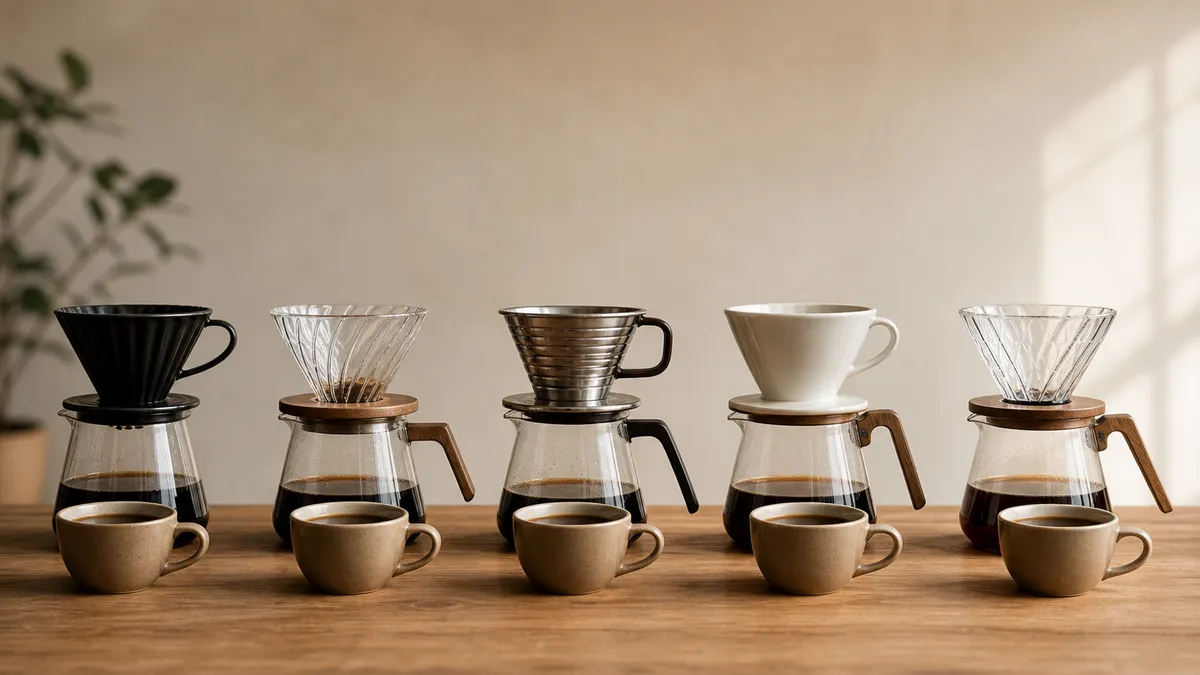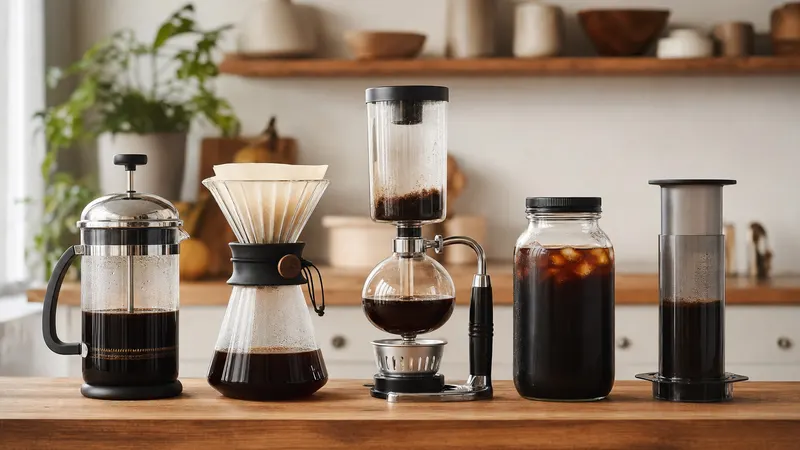
Choose brewing methods by the drink you want and the attention you can give it: filter brewing for a longer cup, immersion for straightforward steeping, espresso for a concentrated shot, or cold brew for coffee prepared without hot water. This hub maps the main methods and points you towards the right step-by-step guide, rather than asking you to learn every brewer at once.
In short
- Start with the finished drink: a clear black coffee, a fuller-textured mug, a short concentrate or a chilled drink.
- Automatic drip and manual pour-over both pass water through a coffee bed; the main practical difference is who controls the water delivery.
- Immersion describes steeping grounds in water. Paper-filtered immersion brewers show that steeping need not mean a sediment-heavy cup.
- A moka pot uses pressure on the hob, but it is not interchangeable with an espresso machine.
- Compare methods using the same coffee and a recorded recipe before deciding which you prefer.
Guides in Brewing Methods
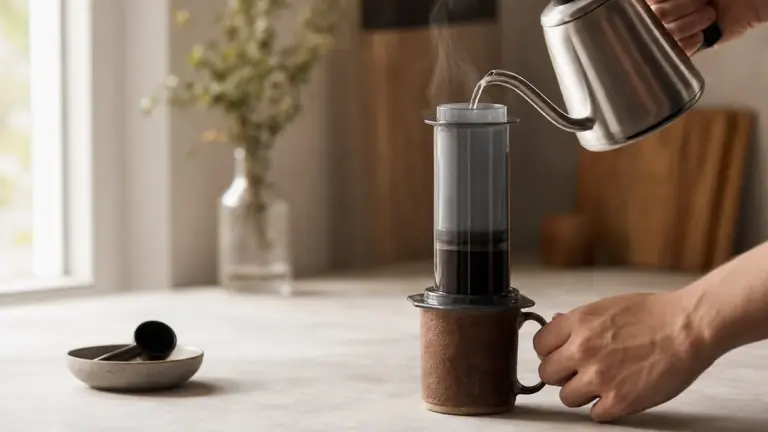 AeroPressLearn how to brew AeroPress coffee upright, choose ratios and filters, make concentrates and fix common problems, with clear advice on inverted brewing.Read the guide
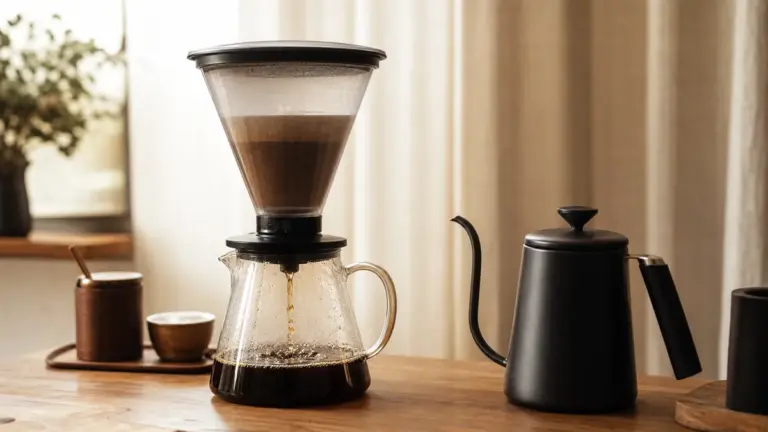 Clever Dripper and Hario SwitchLearn how to use a Clever Dripper or Hario Switch, with clear recipes, valve instructions, grind advice and fixes for slow drainage or sour…Read the guide
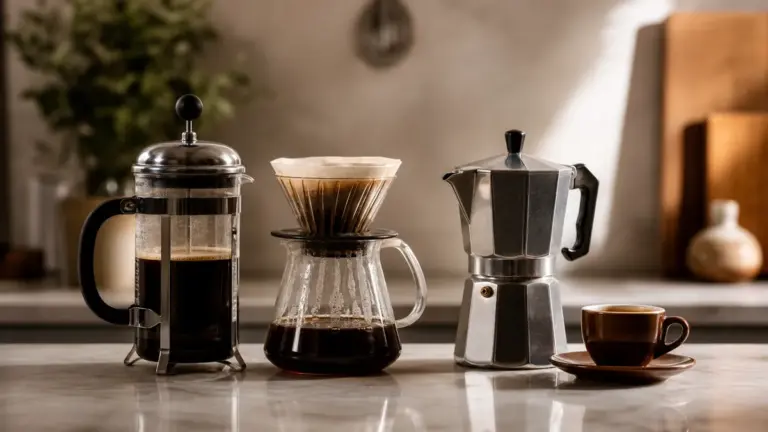 Coffee Brewing Methods: The Complete GuideCompare coffee brewing methods by extraction principle, ratio, grind, time and flavour, then choose the right approach for your taste and daily routine.Read the guide
 Cold Brew CoffeeMake cold brew at home with clear concentrate and ready-to-drink ratios, a fridge-based method, filtering tips, dilution recipes and safe storage advice.Read the guide
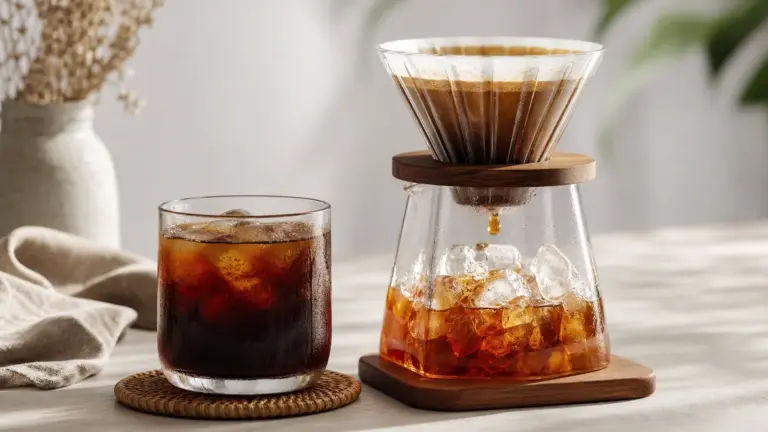 Cold Brew vs. Iced CoffeeCompare cold brew, iced coffee and Japanese flash brew by method, time and flavour, with acidity evidence and a measured recipe to brew over…Read the guide
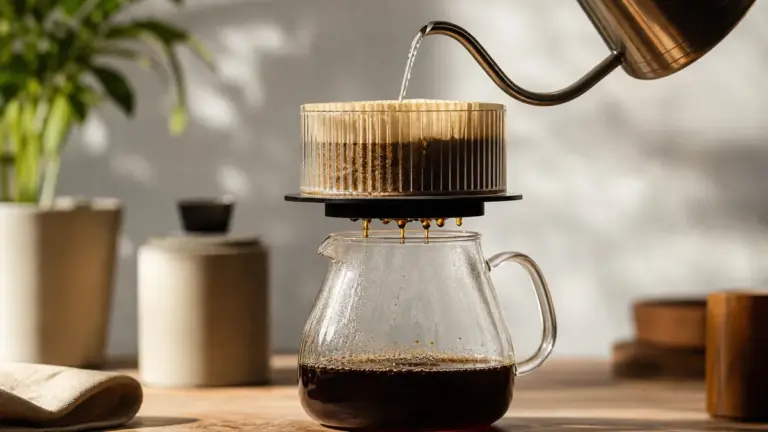 Drip BrewingBrew drip coffee by machine or by hand, with clear ratios, Kalita Wave and Melitta recipes, bloom guidance, water temperatures and troubleshooting.Read the guide
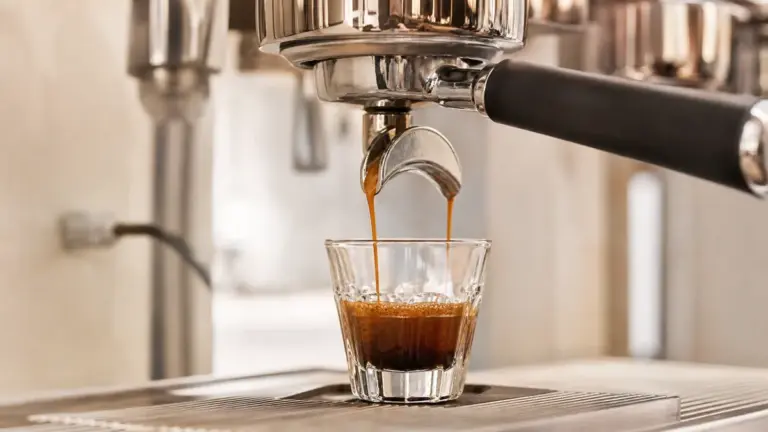 EspressoMake espresso with a clear starting recipe: 18 g in, 36 g out. Learn grind, tamping, temperature and practical fixes for sour, bitter or…Read the guide
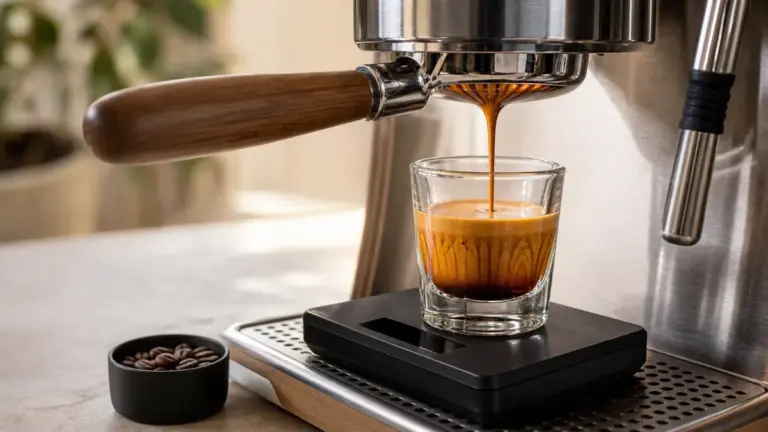 Espresso Dialling In: Dose, Yield and TimeDial in espresso with a practical dose, yield and time method. Learn when to change grind, adjust by taste and troubleshoot sour, bitter or…Read the guide
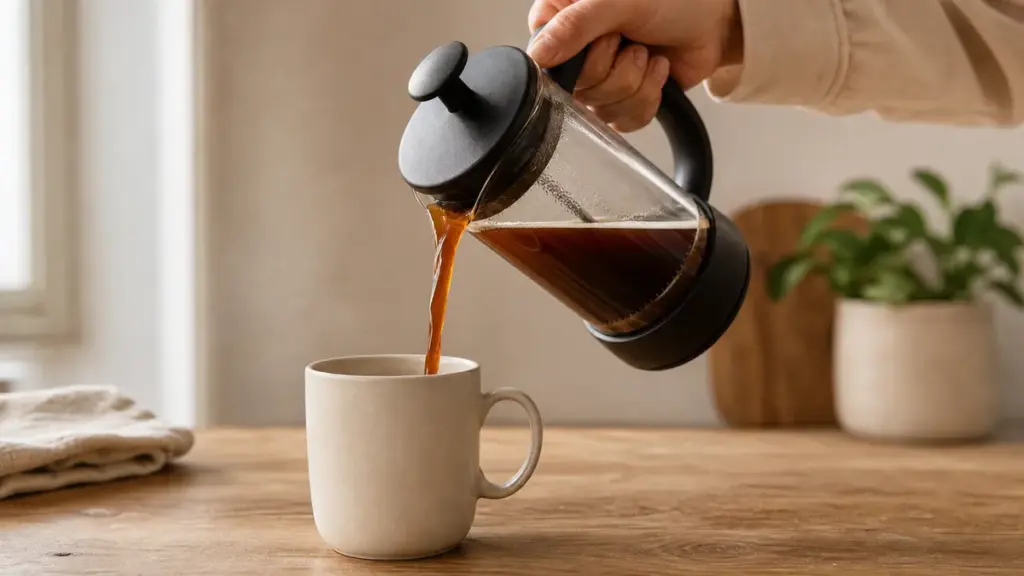
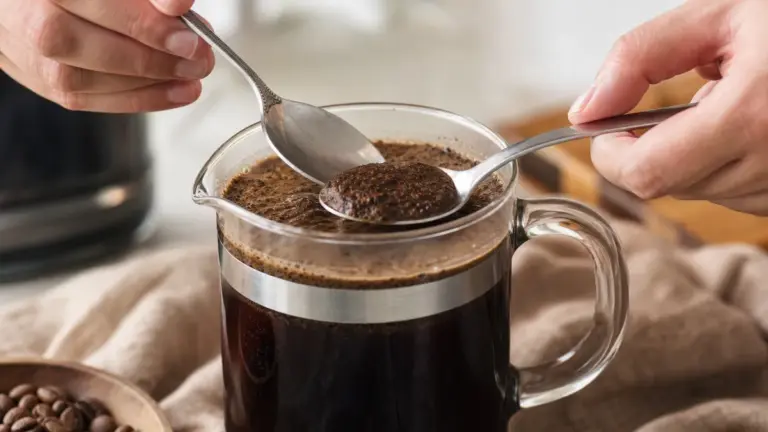 French Press CoffeeMake better cafetière coffee with a measured French press method, clear ratios, water temperatures, skim-and-wait steps and fixes for gritty brews.Read the guide
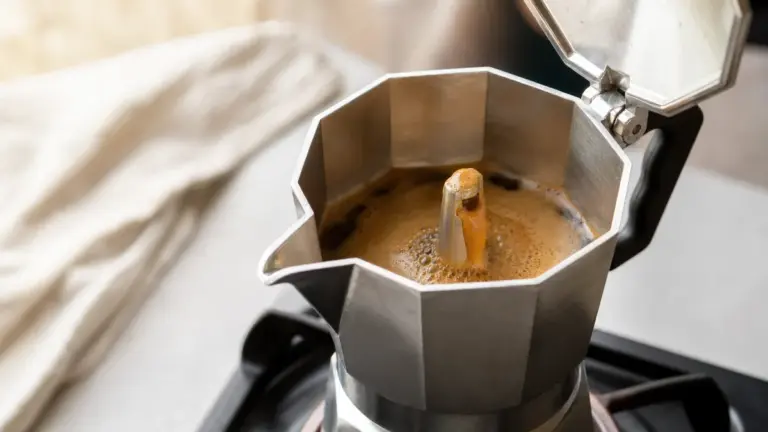 Moka Pot BrewingLearn moka pot brewing with the right grind, safe water level and gentle heat, plus when to stop, how to clean it and fixes…Read the guide
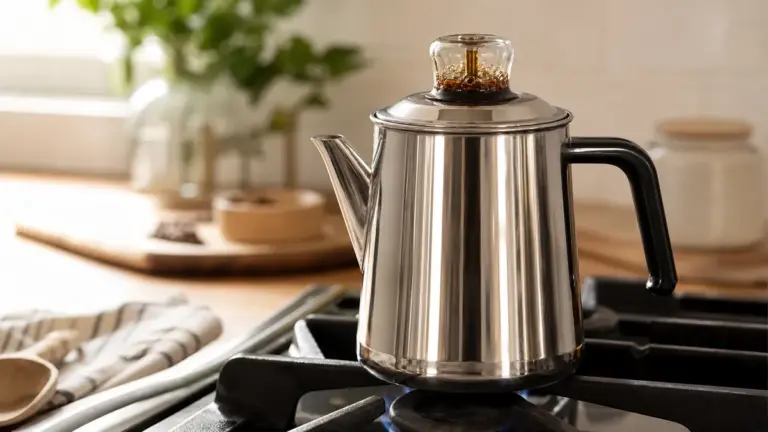 Percolator BrewingBrew better percolator coffee with a weighed dose, coarse grind and controlled heat. Includes stovetop steps, electric guidance and troubleshooting.Read the guide
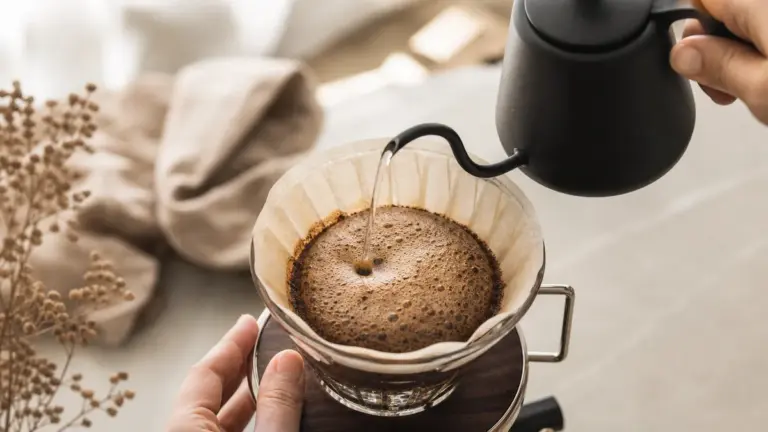 Pour-Over CoffeeMake better pour-over coffee with precise V60 and Chemex recipes, bloom and pouring advice, grind guidance and fixes for slow, sour or paper-tasting brews.Read the guide
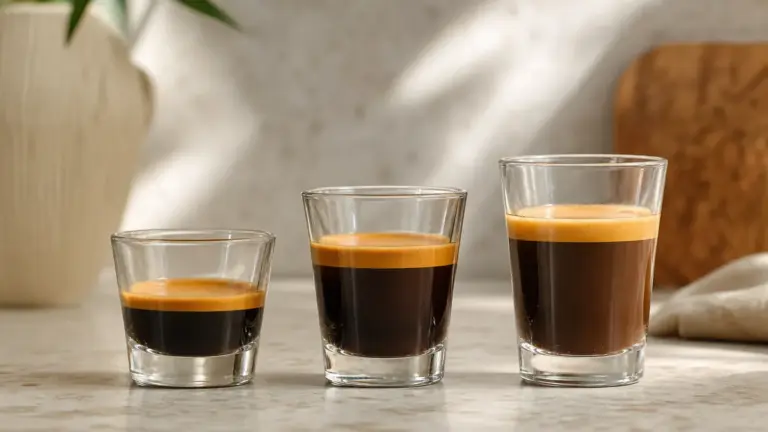 Ristretto vs Espresso vs LungoCompare ristretto, espresso and lungo by drink weight, flavour and caffeine, with practical starting ratios and a simple method for tasting each.Read the guide
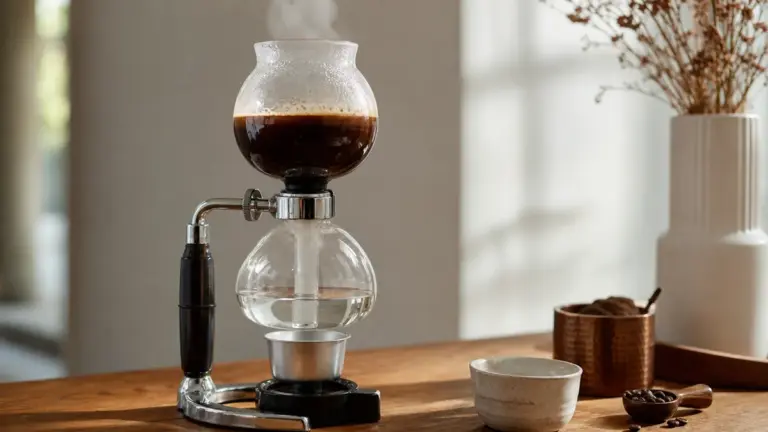 Siphon BrewingBrew siphon coffee with a clear 20 g recipe, heat and stirring guidance, filter care, safe drawdown steps and fixes for stalled or sour…Read the guide
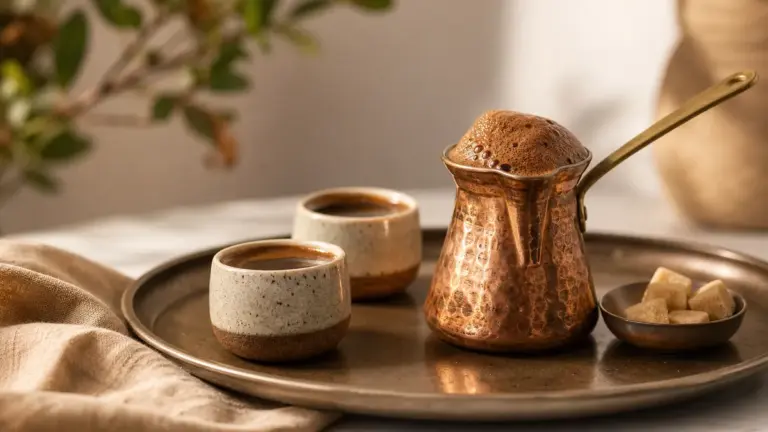 Turkish Coffee BrewingMake Turkish coffee in a cezve with a measured recipe, powder-fine grind, sugar guidance and clear steps for heating, preserving foam and settling grounds.Read the guide
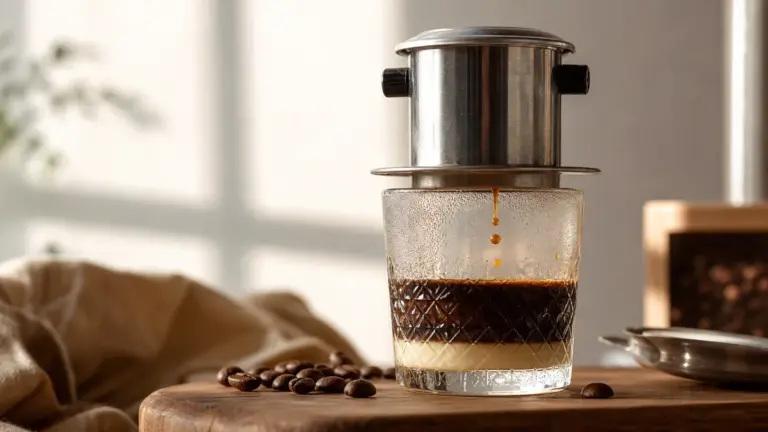 Vietnamese Phin BrewingLearn Vietnamese phin brewing with a weighed recipe, a 45-second bloom, grind and drip-time fixes, plus condensed milk and iced serving instructions.Read the guide
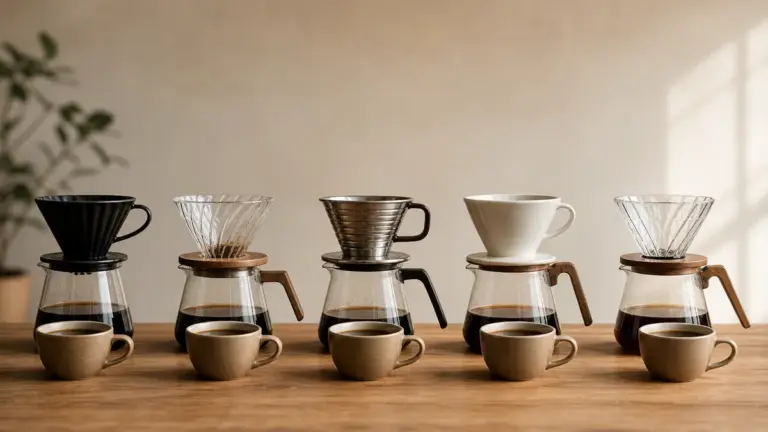 Which Brewing Method Is Best?Choose a coffee brewing method by taste, effort, capacity, milk drinks and travel needs, with a clear comparison table and a practical decision path.Read the guide
Start here if you are new
Follow this short path before exploring the individual brewers:
- Understand the choices. Read the complete brewing guide for the fuller explanation of brewing families, equipment and the variables they share.
- Choose for your routine. Use which method suits you to weigh up drink style, hands-on work, batch size and cleaning.
- Learn one repeatable method. Begin with French press brewing if you want a straightforward steep-and-pour routine, or follow the relevant guide below if you already own a brewer.
This page is the method map within brewing and recipes. Use it to find your route, then keep the detailed recipe for your chosen brewer beside you.
Brewing methods at a glance
The comparison uses four practical criteria: how brewing happens, the usual drinking style, the attention required and who the method suits. Cup descriptions are tendencies, not guarantees: coffee, roast, recipe and filtration can change the result.
| Method | How it brews | Usual drinking style | Best fit and main trade-off |
|---|---|---|---|
| Automatic drip | Water passes through a filtered coffee bed | A longer filter coffee | Shared pots with little pouring work; less manual control |
| Pour-over | You pour water through a filtered bed | A longer cup, often with little sediment when paper-filtered | Hands-on brewing; pouring needs attention |
| Espresso | Pressurised water passes through finely ground coffee | A concentrated shot | Short drinks and milk-drink bases; preparation needs consistency |
| French press | Grounds steep before mesh separation | A fuller-textured mug | Simple steeping; some sediment is normal |
| AeroPress | Steeping followed by a gentle press through a filter | A short brew or a diluted longer drink | Flexible individual brewing; capacity depends on the model |
| Clever or Switch | Steeping followed by filtered drainage | Paper-filtered immersion coffee | Less continuous pouring; the valve and filter need cleaning |
| Moka pot | Pressure moves heated water through grounds | A concentrated hob-brewed coffee | A short, substantial drink; needs hob supervision |
| Cold brew | Cool water extracts coffee during a long steep | A chilled drink or concentrate | Advance preparation; refrigeration and storage need planning |
| Turkish coffee | Very finely ground coffee is heated with water | A small, unfiltered coffee | A distinctive traditional preparation; grounds remain in the cup |
| Siphon | Coffee steeps in an upper chamber, then drains through a filter | A filtered immersion coffee | An absorbing brewing process; more equipment to handle |
| Vietnamese phin | Water drips through a metal filter and coffee bed | Commonly a concentrated drip coffee | A compact brewing ritual; grind and flow need matching |
| Percolator | Heated liquid circulates through a grounds basket | A hot, repeatedly circulated brew | Readers using an existing percolator; brewing needs monitoring |
Drip and pour-over: water through a coffee bed
Drip and pour-over belong to the same broad brewing family: water travels through a bed of grounds and carries dissolved coffee into the vessel below. This movement through the bed is called percolation, although a percolator pot uses a different, recirculating arrangement.
Choose automatic drip brewing when you want a machine to handle water delivery, especially for a shared pot. Read the guide before selecting a batch recipe, because the brewer’s operating range matters as much as the size of its jug.
Choose manual pour-over when you want to control the pouring yourself. Its guide is the useful next step for learning how grind, pouring and drainage interact, without treating a slow or fast brew as a diagnosis on its own.
Filter material matters alongside the brewer. Paper and metal do not separate the drink from the grounds in exactly the same way, so compare the filter as well as the device when thinking about texture and sediment.
Espresso: concentrated coffee under pressure
Espresso sends pressurised water through a prepared bed of finely ground coffee. It suits readers who want a concentrated shot or a base for milk drinks, rather than a jug of ready-to-drink filter coffee.
Begin with espresso brewing to understand the equipment and preparation sequence. It is the foundation to read before trying to correct every shot by changing the grinder.
Once the process is familiar, move to espresso dialling in. Dose means the dry grounds, yield means the liquid espresso collected, and time records how long the extraction takes.
Espresso ratios describe dose to beverage yield by weight. For example, 18 g in and 36 g out is a 1:2 ratio, not an instruction to put 36 g of water into the machine.
Use ristretto, espresso and lungo compared when deciding how short or long you want the shot. Keep that question separate from adding water afterwards: extending extraction and diluting a finished espresso are different actions.
Immersion: steep first, separate afterwards
In immersion brewing, grounds spend time surrounded by the brewing water. Separation comes afterwards, using mesh, paper or another filter.
A French press, usually called a cafetière in the UK, is the familiar example. Grounds steep in the beaker before the plunger’s mesh separates most of them from the poured coffee. It is a sensible starting point if you enjoy a substantial texture and do not mind a little sediment.
AeroPress brewing adds a pressing stage after steeping. Follow its guide for the upright method, a secure filter cap and gentle pressure over a sturdy vessel; pressing harder is not the aim.
For steeping followed by paper filtration, explore Clever Dripper and Hario Switch. These brewers hold the mixture behind a valve, then release it to drain through the filter, making them useful to consider if you want immersion without a mesh-filtered finish.
The important distinction is between extraction, dissolving material from the grounds, and filtration, separating the liquid from particles. An immersion brewer can therefore produce a relatively clear cup.
Pressure on the hob: moka pots
A moka pot heats water in its lower chamber. Rising pressure moves water through the coffee basket and into the upper chamber, producing a concentrated drink.
Choose moka pot brewing if you want to learn this particular hob-based routine. Its guide covers preparation, heat management and stopping the brew, rather than borrowing espresso-machine technique.
The distinction matters for safety as well as flavour. Bialetti’s instructions say to keep water below the safety valve and fill the coffee basket without pressing the grounds down. Follow the instructions for your own pot, including its hob compatibility, rather than treating all moka designs as identical.
Cold brewing and coffee served over ice
Cold brew describes extraction using cool water, not simply coffee served cold. Iced coffee can instead begin as a hot brew that is cooled or brewed over ice.
Read cold brew preparation when you want a make-ahead steeping method. Use cold brew versus iced coffee if your real decision is between a cold extraction and chilling a hot one.
There is evidence that the distinction affects flavour. In a controlled sensory study, cold-brewed samples were less bitter and sour than hot-brewed samples when strength and serving temperature were matched, but origin and roast also influenced the results. That supports a brewing comparison, not a promise that every cold brew tastes the same.
Keep preparation hygienic and follow the recipe’s refrigeration and storage instructions. General Food Standards Agency guidance recommends a fridge between 0 and 5°C; it does not establish a coffee-specific shelf life for every homemade cold brew.
Traditional and specialist methods
These methods are worth exploring for their distinct preparation routines, not because they sit above or below modern filter brewing.
Turkish coffee
Turkish coffee brewing is the right guide for finely powdered coffee heated with water in a small pot called a cezve. There is no paper-filtering stage, so grounds remain in the served drink.
Read it when you want to learn the preparation and serving style on its own terms. An espresso grind and an espresso recipe are not substitutes for this method.
Vietnamese phin
Vietnamese phin brewing uses a metal filter placed above the receiving cup or glass. Water drips through the grounds, with grind and the particular filter influencing the flow.
Choose this guide for the brewer’s assembly and drainage behaviour. It is particularly useful if you have assumed that every small metal brewer works like a moka pot.
Siphon
Siphon brewing, also spelt syphon, combines immersion in an upper chamber with filtered drainage into a lower vessel after heating stops. Filter options include cloth, paper and metal.
Read the guide if you enjoy an involved preparation process and have space to handle heated glassware carefully. The method deserves a dedicated routine rather than an improvised pour-over recipe.
Percolator
Percolator brewing covers the pot with a central stem and grounds basket, where heated liquid circulates through the coffee. It is not another name for every brewer that uses percolation.
Start here if you already have one, particularly before changing grind or extending brewing. Manufacturer guidance warns that excessively fine grounds can cause the basket to overflow.
Choosing between brewing methods
Make the decision in this order:
- Choose the drink. Decide between a longer coffee, a concentrated serving and a chilled drink.
- Choose the texture. Consider whether you prefer a paper-filtered finish or are happy with the particles associated with mesh-filtered or unfiltered coffee.
- Choose the workflow. Be honest about pouring, hob supervision, pressing, advance preparation and washing up.
- Check the usable batch size. Read capacity in millilitres and compare it with your actual drinking vessels, not an assumed meaning of “cup”.
- Learn one recipe before changing equipment. Record the coffee, water, grind setting and timing so that a comparison is meaningful.
For shared workplace coffee, start by considering a drip brewer when the aim is a pot of black coffee. For an individual break, consider whether you would rather pour, steep or press. These are workflow recommendations, not claims that one method always produces better flavour.
What matters beneath the method name
Strength is the concentration of dissolved coffee in the drink. Extraction yield is the proportion of the dry coffee dissolved during brewing. They are related, but they are not the same measurement.
A controlled drip-brewing study compared water temperatures of 87, 90 and 93°C while matching strength and extraction. Temperature had little sensory effect under those conditions, which is a useful warning against judging a brewer by one temperature figure alone.
For orientation, the SCA’s Brewing Best Practices, revised in 2018, gives a Golden Cup dosing recommendation of 55 g per litre, with a tolerance of 10%. Treat it as context for filter brewing, not a universal recipe for espresso, moka or cold-brew concentrate.
Water also belongs in the comparison. Its alkalinity, its capacity to neutralise acids, can change perceived acidity. Keep the water consistent while comparing brewers, and use the selected method’s guide for the actual recipe.
FAQ
Can I use pre-ground coffee while learning?
Yes, provided its grind is suitable for the method. Begin with a repeatable recipe rather than changing equipment immediately. If brewing stalls, drains unexpectedly quickly or leaves an unsuitable amount of sediment, check the guide for that brewer. A grind supplied for one method should not automatically be treated as suitable for another.
Do I need to learn several methods to understand coffee?
No, learning one method consistently is a useful starting point. Recording the recipe makes it easier to connect a change with the result, rather than guessing which part of the process mattered. Explore another brewer when you have a specific question, such as wanting a different texture, a larger batch or less hands-on work.
Should I compare different brewers using identical recipes?
Not necessarily, because their operating principles and intended drinks differ. Use a suitable recipe for each brewer, keep the coffee and water consistent, and record any dilution. An espresso ratio measures dry dose against finished drink, while a filter ratio normally measures dry coffee against brewing water, so the numbers cannot be swapped directly.
Where to go next
Read Coffee Brewing Methods: The Complete Guide for the fuller explanation behind this map, then Which Brewing Method Is Best? to narrow the choice around your routine. Choose Pour-Over for a hands-on filter method or Clever Dripper and Hario Switch for steep-and-release brewing, then practise that method before comparing further brewing methods.
Sources
-
Specialty Coffee Association. Protocols and Best Practices, revised 2018, “Brewing Best Practices”. SCA-authored document hosted by the Specialty Coffee Institute of Thailand.
https://www.scith.coffee/wp-content/uploads/2021/03/SCA-Protocols-_-Best-Practices.pdf -
Specialty Coffee Association, Marco Wellinger. Water and Coffee Acidity: How to Adapt Your Water for Different Extraction Methods, 25 Magazine, issue 9, undated webpage.
https://sca.coffee/sca-news/25/issue-9/english/water-and-coffee-acidity-how-to-adapt-your-water-for-different-extraction-methods-25-magazine-issue-9-pxjby -
Batali, Ristenpart and Guinard, University of California, Davis. Brew temperature, at fixed brew strength and extraction, has little impact on the sensory profile of drip brew coffee. Scientific Reports, 2020.
https://pubmed.ncbi.nlm.nih.gov/33020560/ -
Batali and colleagues, University of California, Davis. Sensory Analysis of Full Immersion Coffee: Cold Brew Is More Floral, and Less Bitter, Sour, and Rubbery Than Hot Brew. Foods, 2022.
https://pubmed.ncbi.nlm.nih.gov/36010440/ -
HARIO. English Catalogue, 2024, sections on drippers, filtration and Immersion Dripper SWITCH.
https://www.hario.cc/PDF/2024_English_Catalog.pdf -
HARIO UK. Hario Syphon Brew Guide, undated.
https://www.hario.co.uk/pages/brew-guides-syphon -
Bodum. Catalogue, 2025, sections on coffee filters and French press brewing.
https://prod-bodum-media.s3.eu-west-1.amazonaws.com/media_production/downloadable/Catalog%202025_r3.pdf -
AeroPress. Getting Started With The AeroPress Coffee Maker, current manufacturer instructions, undated.
https://aeropress.com/pages/how-to-use -
Clever Coffee Brewers. CLEVER Dripper, manufacturer brewing instructions, undated.
https://cleverbrewing.coffee/collections/clever-manual-brewers/products/clever-dripper -
Bialetti. How to use the Moka Express?, updated 2023.
https://bialetti-cookware.zendesk.com/hc/en-us/articles/5416235346322-How-to-use-the-Moka-Express -
UNESCO. Turkish coffee culture and tradition, inscription record, 2013.
https://ich.unesco.org/en/RL/-00645 -
Nguyen Coffee Supply. How-To FAQ, sections on brewing and phin filters, undated.
https://nguyencoffeesupply.com/pages/how-to-vietnamese-coffee-faq -
Hamilton Beach. Percolator Use and Care, document 840285600, undated.
https://useandcares.hamiltonbeach.com/files/840285600.pdf -
Ninja. ES601: Ninja Luxe Café Premier Espresso Machine FAQ, section on espresso yield parameters, undated.
https://ninjakitchenapac.zendesk.com/hc/en-au/articles/15982938937871-ES601-Ninja-Luxe-Caf%C3%A9-Premier-Espresso-Machine-FAQ -
Food Standards Agency, published on GOV.UK. How to chill, freeze and defrost food safely, 2017, current retrieved guidance.
https://www.gov.uk/government/publications/how-to-chill-freeze-and-defrost-food-safely/how-to-chill-freeze-and-defrost-food-safely
This hub was researched using retrieved SCA guidance, peer-reviewed experimental research, manufacturer instructions, UNESCO documentation and Food Standards Agency advice; workflow recommendations are editorial judgements, not first-hand testing.
Last checked: November 2026