
Coffee recipes range from a simple espresso with water or milk to iced drinks, desserts and cocktails. This guide maps the drinks and recipes on the site, so you can choose by flavour, equipment, temperature or caffeine preference, then go straight to the detailed method.
In short
- Start with the drink families before learning individual recipes: black coffee, milk coffee, iced drinks, desserts and cocktails.
- For milk drinks, compare the amount of milk and the texture of the foam, not just the name.
- An espresso machine is not essential for every recipe: Turkish coffee, Vietnamese phin coffee and dalgona use different approaches.
- Choose an iced recipe deliberately rather than treating ice as an afterthought.
- Decaf reduces caffeine, but does not make a drink caffeine-free.
Guides in Coffee Recipes
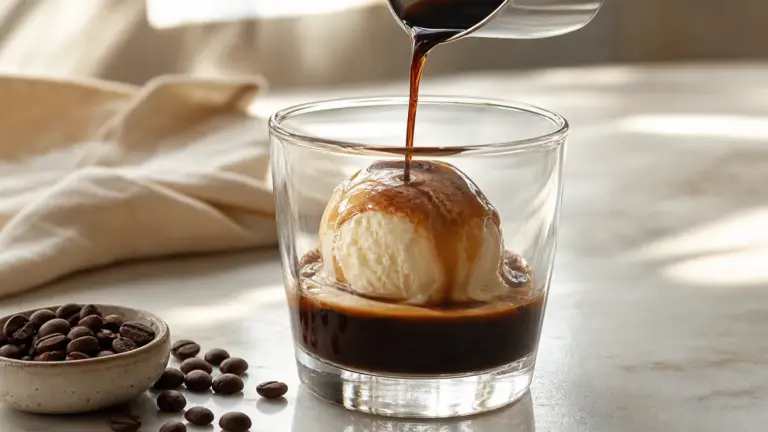 Affogato RecipeMake an affogato with vanilla ice cream and hot espresso. Includes measured ingredients, serving tips, caffeine guidance and optional liqueur variations.Read the guide
 Americano and Long BlackLearn how an Americano differs from a long black, why pouring order affects crema, and how to make both with clear espresso doses and…Read the guide
 Cappuccino RecipeMake a classic cappuccino with espresso and creamy milk foam. Learn cup size, steaming technique, optional cocoa, flavoured variations and fixes.Read the guide
 Coffee Drinks: The Complete GuideCompare the main coffee drinks by size, milk ratio and texture, understand UK, Italian and Australian differences, and learn how to order your favourite.Read the guide
 Cortado and PiccoloCompare cortado and piccolo coffee, from espresso-to-milk ratios to glassware, then make both small milk drinks with clear, weighed home recipes.Read the guide
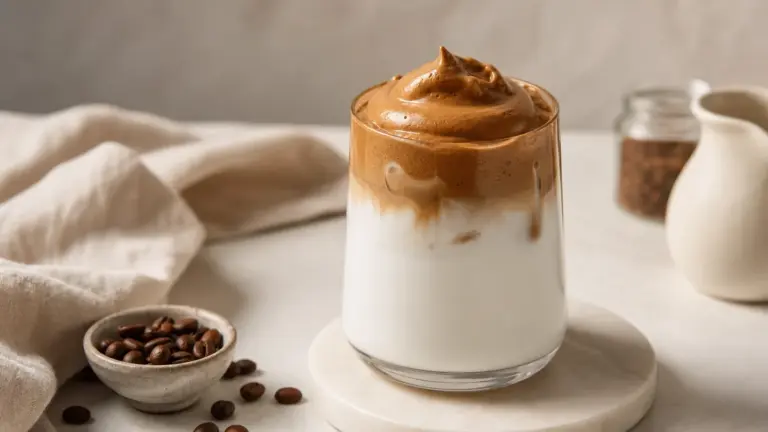 Dalgona CoffeeMake dalgona coffee with instant coffee, sugar and hot water. Follow measured quantities, whipping tips, milk variations and a clear caffeine estimate.Read the guide
 Decaf and Low-Caffeine Coffee RecipesMake decaf lattes, measured half-caf drinks and refrigerated cold brew, with practical recipes, caffeine estimates and advice on naturally low-caf beans.Read the guide
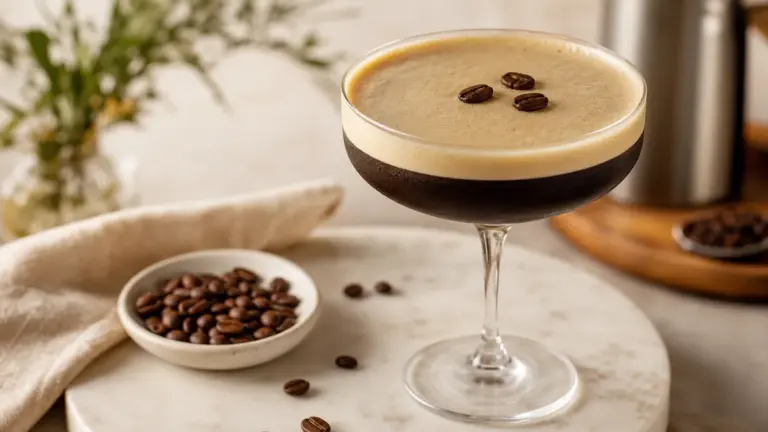 Espresso Martini and Coffee CocktailsMake an espresso martini with fine foam, then try classic and cold brew coffee cocktails, with measured recipes, caffeine notes and UK alcohol units.Read the guide
 Espresso Tonic RecipeMake espresso tonic with a simple recipe, clear pouring order and citrus garnish tips. Choose your tonic, adjust the balance and find a coffee…Read the guide
 Espresso-Based DrinksLearn the espresso drink families, make ristretto and lungo by weight, understand doppio and americano, and compare caffeine without relying on cup size.Read the guide
 Flat White RecipeMake a flat white with a double espresso and thin, glossy milk. Learn the cup size, ristretto options and how it differs from a…Read the guide
 Iced Latte, Iced Americano and Shaken EspressoMake iced latte, iced Americano and shaken espresso with measured recipes, ice and dilution tips, syrup guidance and practical glassware advice.Read the guide
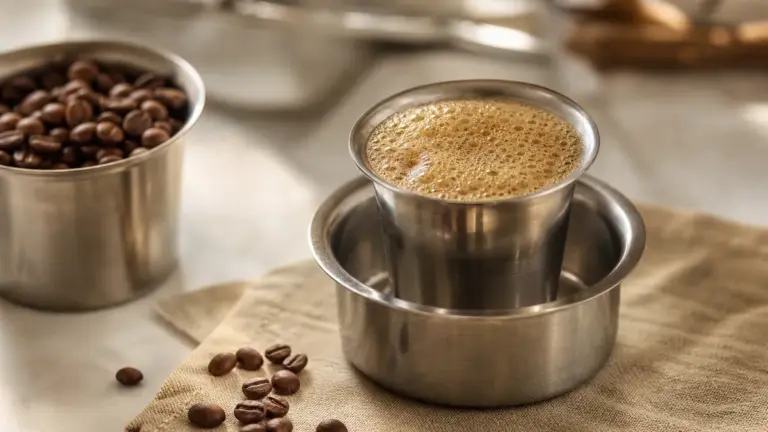 Indian Filter CoffeeMake South Indian filter coffee with a steel filter, chicory blend and hot milk, then master the tumbler-and-dabarah pour for a lightly frothy finish.Read the guide
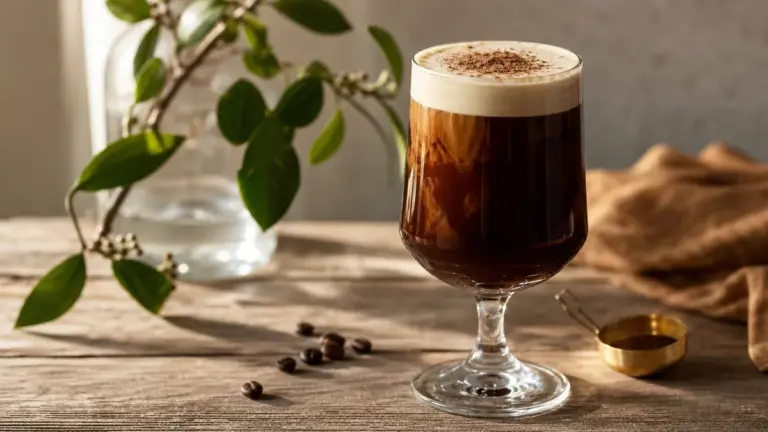 Irish CoffeeMake Irish coffee with measured whiskey, hot coffee, sugar and floating cream. Includes its history, cream fixes, variations and responsible drinking tips.Read the guide
 Latte RecipeMake a latte with measured espresso and silky milk, then try vanilla or caramel. Includes syrup amounts, plant-milk guidance and practical fixes.Read the guide
 MacchiatoLearn what a macchiato is and make espresso, latte, caramel and chocolate versions, with clear recipes, layering tips and specific caffeine estimates.Read the guide
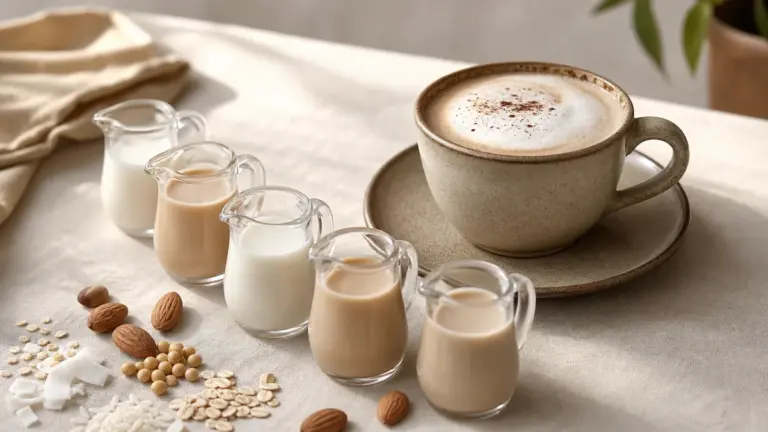 Milk and Plant Milk for CoffeeCompare dairy, oat, soya, almond, coconut and pea milk for coffee: foam, curdling, barista editions, fortification, allergies and environmental impact.Read the guide
 Mocha RecipeMake a mocha with espresso, chocolate and warm milk, then try white chocolate and peppermint versions with clear quantities, mixing tips and caffeine notes.Read the guide
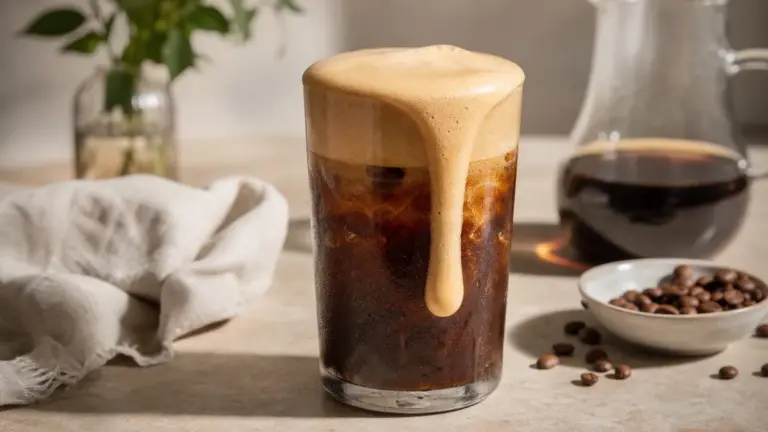 Nitro Cold BrewLearn how nitrogen gives cold brew its creamy head, how home dispensers differ from cream whippers, and how to prepare and serve it safely…Read the guide
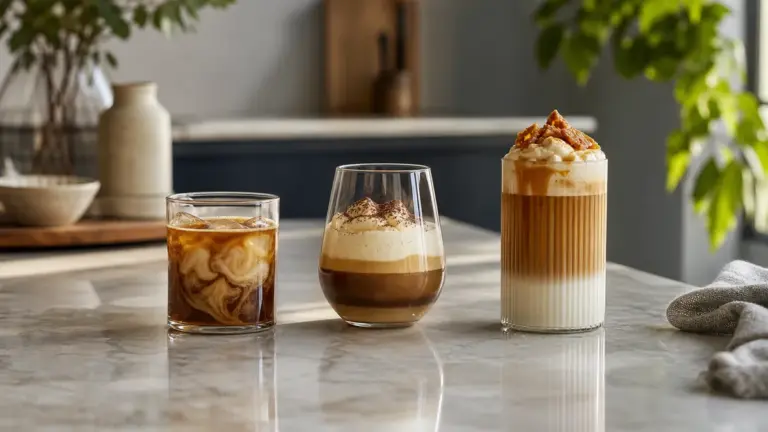 Specialty Coffee RecipesMake five specialty coffee drinks at home, with measured ingredients, clear methods and practical advice on sweetness, spice, milk texture and caffeine.Read the guide
 Turkish CoffeeMake Turkish coffee with a clear cezve recipe, measured sugar levels, foam tips and serving traditions, plus guidance on settling the grounds before sipping.Read the guide
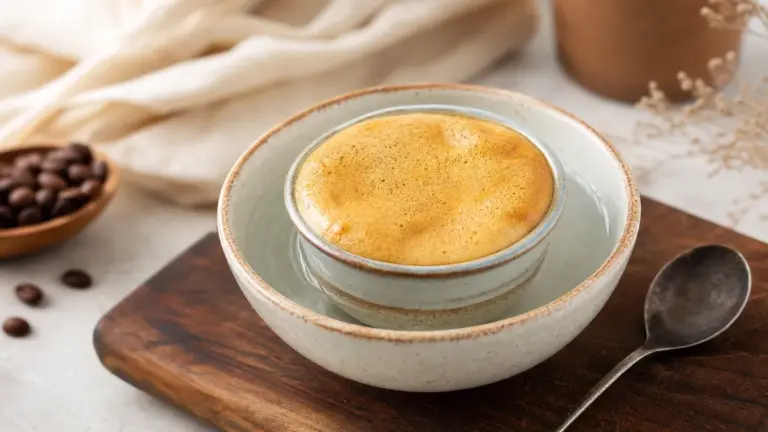 Vietnamese Egg CoffeeMake Vietnamese egg coffee with whipped yolk, condensed milk and strong coffee, with clear UK egg-safety advice and tips for serving it warm at…Read the guide
 Vietnamese Iced CoffeeMake Vietnamese iced coffee with a phin, condensed milk and ice. Includes weighed ingredients, brewing steps, sweetness adjustments and caffeine guidance.Read the guide
Start here if you are new
Follow this short route rather than trying to learn the whole coffee menu at once:
- Read the coffee drinks guide to understand the main families and find names you recognise.
- Move to espresso-based drinks if you want to understand how one coffee base becomes several different drinks.
- Try a latte if a longer milk drink appeals, then use its dedicated guide to learn the method.
Already know what you want? Jump to the relevant family below. Each linked guide is the place for ingredient quantities, equipment choices, technique and troubleshooting.
For the wider picture, brewing and recipes connects this collection with the methods used to make the coffee itself. Learning a drink and learning its brewing method are related tasks, but you need not tackle both in depth before making something enjoyable.
Choose your coffee recipe
Begin with what you want to drink, then check how you will make its coffee base. The table compares recipe families by their defining ingredients or technique and the kind of experience they suit.
These are starting points, not rigid categories. Vietnamese iced coffee belongs under both world coffees and iced drinks; a mocha can be hot, iced or made with decaf.
| Recipe family | Defining feature | Choose it when you want |
|---|---|---|
| Black espresso drinks | Espresso, with or without added water | Coffee without milk |
| Milk drinks | Espresso with steamed or textured milk | A balance of coffee and milk |
| Sweet recipes and desserts | Coffee with chocolate, ice cream or other additions | Something richer than a plain drink |
| Coffee cocktails | Coffee combined with alcoholic ingredients | A deliberately mixed adult drink |
| World coffees | A particular brewing or serving tradition | A different method, texture or presentation |
| Iced and sparkling drinks | Coffee with ice, cold milk, water or tonic | A cold drink rather than a hot one |
| Decaf adaptations | A lower-caffeine coffee base | The recipe with less caffeine |
If several options appeal, choose one familiar drink and one contrasting drink. Comparing a latte with a macchiato is more instructive than changing the beans, milk, sweetness and serving size all at once.
Espresso and longer black drinks
Espresso is a concentrated coffee served in a small quantity, but it is also a starting ingredient. Adding water makes a longer black drink; adding milk takes the recipe into another family.
Use espresso-based drinks when you want to understand those relationships before choosing a recipe. It is the useful bridge between recognising names on a menu and knowing what you would actually prepare.
For a longer drink without milk, read americano and long black. Both combine espresso and water, with the long black conventionally made by adding espresso to water rather than water to espresso.
Do not confuse making a longer finished drink with simply running more water through the coffee grounds. Follow the chosen recipe’s instructions for brewing the coffee and adding water separately.
If you are unsure which direction to take, decide whether you want a short, concentrated drink or a longer one to sip. That question is more useful at this stage than memorising every variation of espresso.
Cappuccino, latte and smaller milk drinks
Milk drinks share ingredients, but their proportions and textures give them different characters. Steamed milk is heated milk; textured milk also contains incorporated air, with fine bubbles creating what baristas call microfoam.
Read cappuccino when you want to learn an espresso drink with a distinct foam layer. Its guide is the place to work on integrating coffee, milk and foam rather than treating them as disconnected layers.
Choose latte for a longer, milk-led drink. It is a useful starting point if you want to practise preparing coffee and milk before concentrating on smaller, more coffee-forward servings.
Move to flat white when you want to focus on a compact drink with fine-textured milk and a clear coffee presence. Read it alongside the latte guide to understand the difference in balance, rather than assuming every café uses identical cup sizes.
For a smaller addition of milk, try macchiato. The traditional espresso macchiato is espresso marked with a little milk or milk foam, so it is worth checking the recipe rather than expecting a large flavoured drink.
Read cortado and piccolo when you want to explore smaller milk coffees together. This comparison is particularly useful after learning a latte, because it directs attention towards how much milk accompanies the coffee.
For learning, pick one milk and keep it consistent while practising. You can explore alternatives once you know what you like about the original drink.
Chocolate, ice cream and creative coffee recipes
For drinks beyond the familiar espresso menu, start with specialty coffee recipes. Use it when you want a more inventive direction, then choose a specific recipe rather than adding several flavourings without a plan.
Mocha is the natural route for chocolate with coffee and milk. Read it if you want to understand how the chocolate ingredient fits into the drink, rather than simply decorating a latte with cocoa.
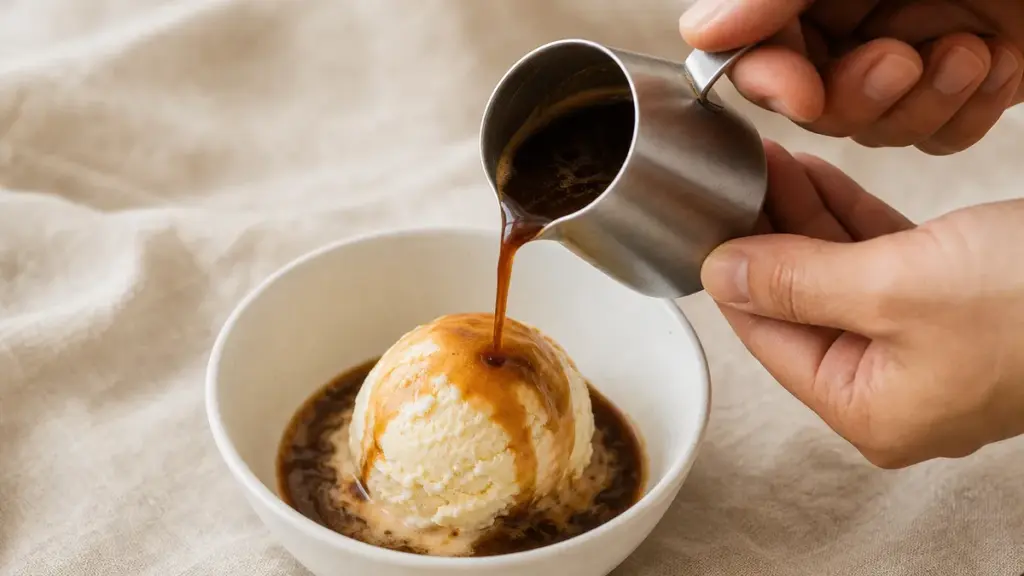
Affogato takes a different approach: espresso poured over ice cream. Choose it when you want a coffee dessert without learning milk steaming, and use its guide for the preparation and serving sequence.
Decide whether you want the coffee to lead or to support the other ingredients. That gives you a practical question to answer when tasting a sweet recipe, especially if you are adapting it to your own preferences.
Irish coffee and coffee cocktails
Coffee cocktails deserve their own methods, not an improvised splash of alcohol in a finished drink. Start with the recipe that matches the serving style you want.
Irish coffee combines hot coffee, Irish whiskey and sugar beneath a layer of cream. Read it when you want to learn that layered presentation and the order of assembly.
Espresso martini and coffee cocktails is the next stop for the espresso martini and related mixed drinks. Choose this guide when you want a cocktail method rather than a conventional coffee recipe.
Check whether the recipe calls for espresso or another brewed coffee before starting. Do not assume the same quantity of a different coffee base will give the intended result.
If preparing several drinks, organise the ingredients and equipment first, then follow the individual method. Keep alcoholic and alcohol-free servings clearly distinguishable when offering both.
World coffees and different brewing traditions
These recipes are worth approaching as methods in their own right, not as unusual versions of a latte. Choose one when you want to learn a different relationship between brewing, ingredients and serving.
Vietnamese coffee
Vietnamese iced coffee is the route for coffee with sweetened condensed milk and ice. Read it to learn the phin, a small metal drip filter, and the preparation sequence that brings those ingredients together.
Vietnamese egg coffee is the choice for coffee topped with a sweet whipped egg mixture. Use the dedicated guide for technique, and read the egg-safety advice below before preparing a raw or lightly cooked topping.
Indian filter coffee and Turkish coffee
Indian filter coffee explores a drink built around filter coffee decoction, meaning the concentrated brewed coffee, and milk. Choose it when you want to learn that preparation rather than substitute a latte recipe.
Turkish coffee takes you towards finely powdered coffee brewed slowly in a small pot. Read it for the brewing and serving method, rather than applying espresso-machine instructions to a different tradition.
Whipped coffee
Dalgona coffee is a different starting point again: instant coffee, sugar and water are whipped into a foam and served with milk. Choose it if you want a recipe centred on whisking rather than grinding beans or steaming milk.
Iced, shaken, sparkling and nitro drinks
Start with iced latte, iced americano and shaken espresso to compare the main espresso-based cold options. An iced latte brings milk into the recipe, an iced americano uses water, and shaken espresso adds a shaking step to the preparation.
Use the comparison to choose a drink before adjusting sweetness or adding flavourings. It is easier to learn what shaking contributes when you are not simultaneously changing every ingredient.
Espresso tonic is the route for coffee combined with tonic water over ice. Choose it when you want to explore a sparkling drink rather than another milk coffee.
Nitro cold brew explains cold-brewed coffee infused with nitrogen, which produces fine bubbles and a cascading, foamy texture. Read it before assuming that shaking ordinary iced coffee produces the same drink.
Remember that iced coffee and cold brew describe different things. Hot-brewed coffee can be served over ice, whereas cold brew is extracted using cold or cool water; the recipe should tell you which base to prepare.
Milk choices and decaf adaptations
Read milk and plant milk for coffee before changing the milk in a recipe you are still learning. Use it to compare dairy milk with plant-based alternatives and to choose according to the drink you want to make.
For foamed drinks, check the product’s own instructions. Manufacturers formulate some plant drinks specifically for coffee, and their steaming recommendations can differ between products; one universal setting is not a reliable substitute for those instructions.
Decaf and low-caffeine coffee recipes is the place to start when reducing caffeine matters more than changing the drink family. Make the coffee choice deliberately, rather than assuming a smaller-looking drink necessarily meets your needs.
Decaffeinated coffee still contains some caffeine. If you need personal advice because of pregnancy, medicines, a health condition or marked sensitivity, speak to a GP, pharmacist or midwife rather than relying on the drink’s name.
Adapt recipes without losing the coffee
A useful distinction is strength versus extraction. Strength describes the concentration of dissolved coffee in the drink; extraction describes how much material has dissolved out of the grounds during brewing.
They are related, but not interchangeable. Controlled sensory research on drip coffee found that both strength and extraction yield affected the sensory profile, showing why “make it stronger” is not a complete brewing instruction.
That study concerned drip coffee, not finished lattes or cocktails. The practical lesson here is to distinguish changing the coffee base from changing what you add to it.
When adapting a recipe:
- Record the coffee dose and brewed amount, preferably by weight.
- Keep the serving vessel consistent.
- Measure milk, water and other liquid additions.
- Change one ingredient or preparation choice at a time.
- Note what improved and what you would change next.
These are working habits, not a demand for laboratory equipment. A brief note is enough to help you repeat a drink you enjoyed.
Prepare milk and egg recipes safely
Keep chilled ingredients refrigerated and follow their storage instructions and use-by dates. FSA guidance recommends a fridge temperature between 0 and 5 degrees Celsius.
For egg coffee, pasteurised egg products are an option for raw or lightly cooked preparations. The FSA also recognises British Lion and Laid in Britain assured hen eggs in its advice on raw or lightly cooked eggs, including for many vulnerable consumers.
That advice has an important exception: people who are severely immunocompromised and require medically supervised diets should seek medical advice. Follow the dedicated recipe’s handling instructions, rather than assuming that a hot coffee base settles every food-safety question.
FAQ
How should I choose a recipe for guests?
Choose the recipe after checking what your guests want to drink and which ingredients they avoid. Then select something you can prepare comfortably with your equipment. Keep the first round straightforward, and offer sweetness separately where the method allows, rather than making several unfamiliar adaptations at once.
How do I make a coffee recipe vegan?
Check the whole ingredient list, not just the milk. Choose a suitable plant drink, then check chocolate, sauces, toppings and any ice cream against your requirements. For a first attempt, follow a recipe written with plant-based ingredients rather than changing several components of a dairy-based version simultaneously.
Where should I start if I only have instant coffee?
Start with dalgona if you want a recipe designed around instant coffee. Its foam is made by whipping instant coffee with sugar and water, then serving it with milk. That makes it a clearer starting point than trying to reproduce an espresso-based recipe without first deciding how to replace its coffee base.
Where to go next
Read Coffee Drinks: The Complete Guide to compare names, then Espresso-Based Drinks to understand their shared foundations. For your next practical step, Milk and Plant Milk for Coffee helps with ingredient choices, while Decaf and Low-Caffeine Coffee Recipes takes these coffee recipes in a lower-caffeine direction.
Sources
Undated pages are identified as such rather than assigned a publication year. All sources below were retrieved during the November 2026 check.
- Breville, the Infuser BES840 Instruction Book, “Coffees to try”, undated edition: manufacturer manual. Used for espresso, latte, cappuccino and macchiato descriptions.
- Breville, Long Black, undated: manufacturer brewing guide.
- Nespresso, At Home Coffee Recipes, undated: recipe collection. Used for cortado, affogato and iced latte descriptions.
- Nespresso, Your Complete Guide to Flat White Coffee, undated: manufacturer drink guide. Used for the broad drink description, not universal serving specifications.
- Nespresso, The Mocha, undated: UK recipe.
- International Bartenders Association, Irish Coffee and Espresso Martini, undated: Irish coffee and espresso martini.
- Vietnam Tourism, A Taste of Vietnam: The Story Behind Its Beloved Coffee Culture, undated: official tourism guide.
- Coffee Board of India, Indian Filter Coffee Competition: Rules & Regulations, 2023: competition document. Used for the filter-decoction and milk description, not as a universal domestic recipe.
- UNESCO, Turkish Coffee Culture and Tradition, 2013 inscription record: heritage description.
- Nestlé Professional, Dalgona Iced Coffee, undated: manufacturer recipe.
- Starbucks, Coffee Science: Iced Americano, Cold Brew or Iced Coffee, What’s the Difference?, 2026, and Nitro Cold Brew, undated: iced-coffee explanation and nitro explanation.
- Starbucks Coffee at Home, Iced Brown Sugar Oatmilk Shaken Espresso, undated: manufacturer recipe.
- Nespresso, Nitro Frizzante, undated: coffee and tonic recipe. Used only for the coffee, tonic and ice combination, not as evidence of nitrogen infusion.
- Alpro, Barista, undated: manufacturer product and preparation information.
- US Food and Drug Administration, Spilling the Beans: How Much Caffeine Is Too Much?, undated live version: caffeine information. Used for the distinction between decaffeinated and caffeine-free.
- Batali, Ristenpart and Guinard, Brew Temperature, at Fixed Brew Strength and Extraction, Has Little Impact on the Sensory Profile of Drip Brew Coffee, Scientific Reports, 2020: research record and abstract.
- Food Standards Agency, How to Chill, Freeze and Defrost Food Safely and Advice on Safe Storage, Handling and Use of Eggs for Catering, undated live versions: chilling guidance and egg guidance.
This hub was researched using published manufacturer recipes, official cultural descriptions, controlled sensory research and food-safety guidance, without first-hand recipe testing.
Last checked: November 2026