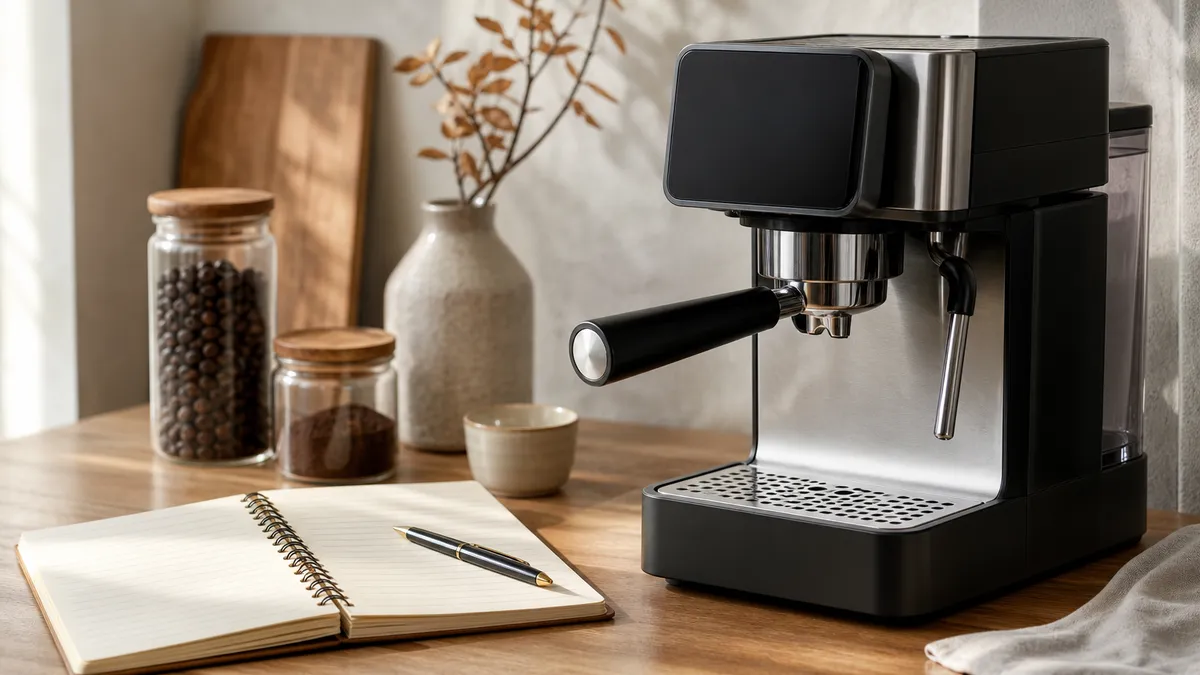
The right coffee machine or brewer is the one that makes the drinks you enjoy, in the quantities you need, with a routine you will actually keep up. Start with espresso versus longer brewed coffee, then decide how much grinding, brewing and cleaning you want to do yourself.
In short
- Choose the drink first: espresso, filter coffee and cold brew need different equipment.
- Compare automation by the tasks it performs, not just the wording on the box.
- Check capacity in millilitres and realistic serving sizes, rather than relying on a quoted number of “cups”.
- For shared workplaces, assess busy-period demand as well as total daily use.
- Read the cleaning instructions, water requirements and warranty terms before choosing.
Guides in Coffee Machines
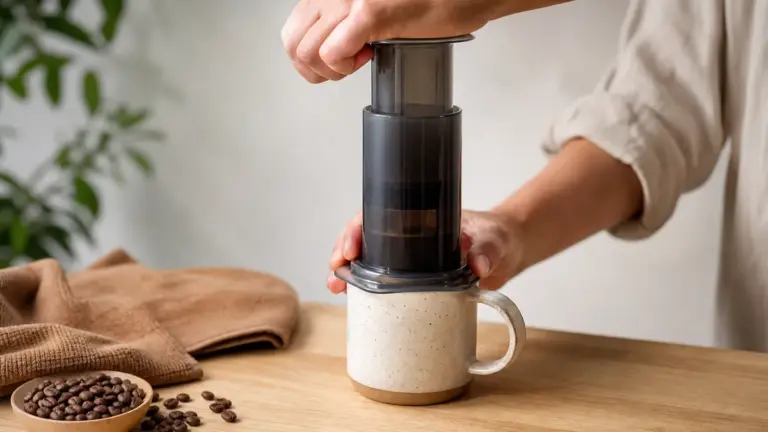 AeroPress Buying Guide: Which Model Should You Choose?Is an AeroPress worth buying? Compare current models, capacities, filters and travel features, with clear advice on accessories and safe upright brewing.Read the guide
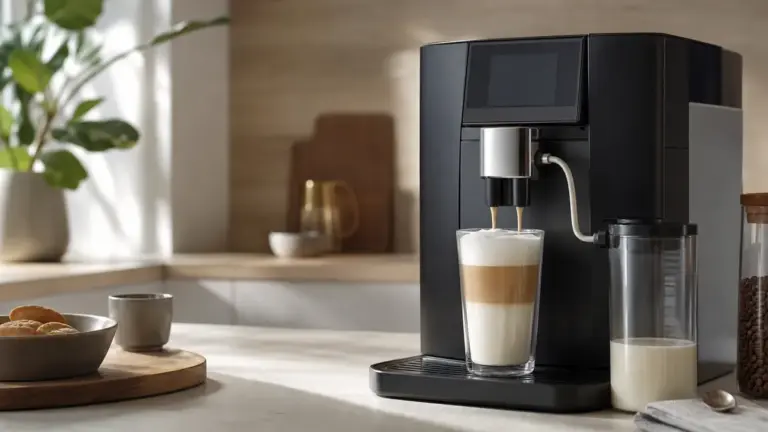 Bean-to-Cup Coffee MachinesAre bean-to-cup coffee machines right for your home? Compare milk systems, brew units, UK brands and the cleaning jobs behind automatic coffee.Read the guide
 Coffee Machine Buying MistakesAvoid coffee machine buying mistakes with practical checks for grinders, cleaning, capacity, water hardness, running requirements and aftercare.Read the guide
 Coffee Machines: The Complete Buying GuideChoose a home coffee machine by your favourite drinks, grinder needs, milk routine, space and cleaning, with a clear decision path and UK rights…Read the guide
 Cold Brew Coffee MakersCompare cold brew jugs, jars, concentrate brewers and drip towers. Choose the right capacity, filter and cleaning routine for your kitchen at home.Read the guide
 Commercial Espresso MachinesChoose commercial espresso machines by peak demand, boiler recovery and staffing, with UK guidance on power, water treatment, PSSR and servicing.Read the guide
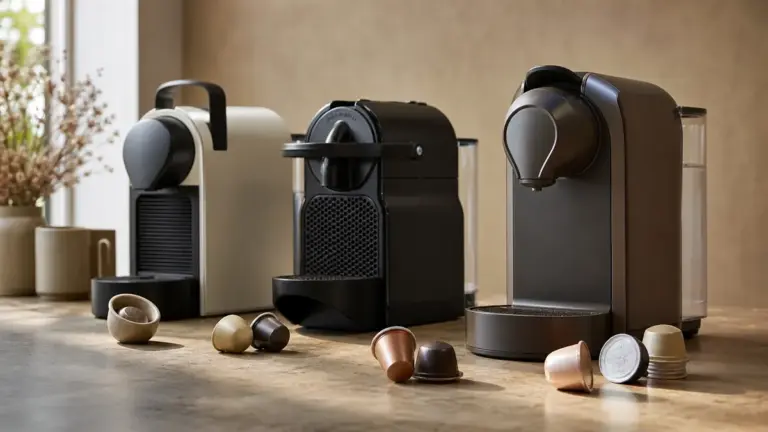 Dolce Gusto, Tassimo and Lavazza A Modo MioCompare Dolce Gusto, Tassimo and Lavazza A Modo Mio for coffee, milk drinks, capsule availability, machine controls and UK recycling before choosing.Read the guide
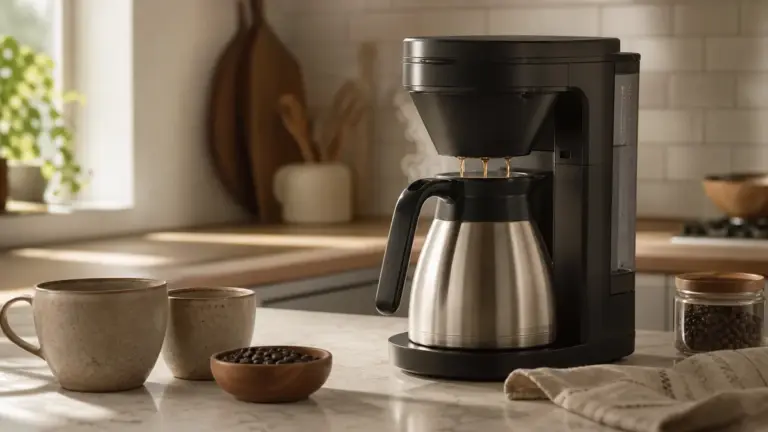 Drip Coffee Makers and Filter Coffee MachinesChoose a drip coffee maker for excellent filter coffee. Compare thermal carafes, timers, SCA certification, home features and practical brewing advice.Read the guide
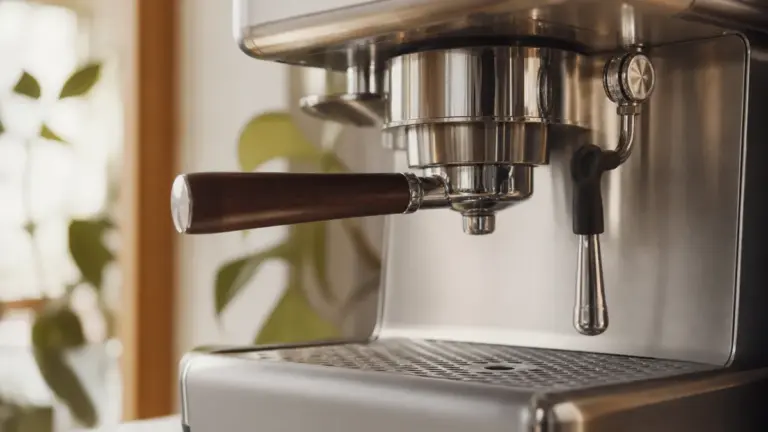 Espresso MachinesChoose an espresso machine by boiler design, temperature control and milk workflow. Understand PID, 9 bar pressure, baskets and grinder requirements.Read the guide
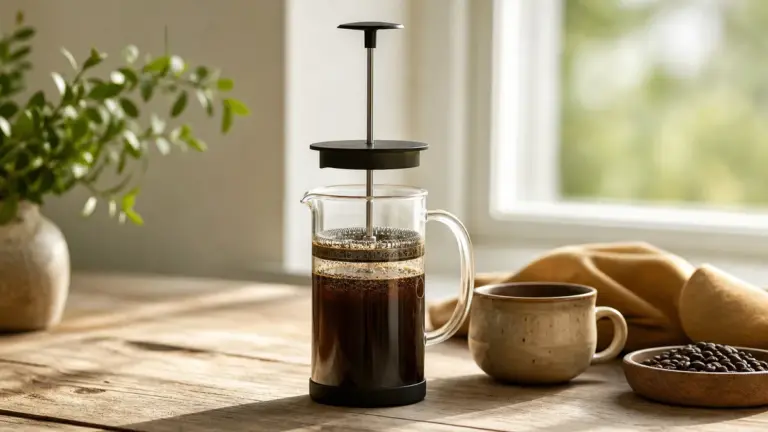 French Press (Cafetière)Is a cafetière right for you? Compare sizes, glass and steel bodies, filter designs and brands, with practical brewing, cleaning and ownership advice.Read the guide
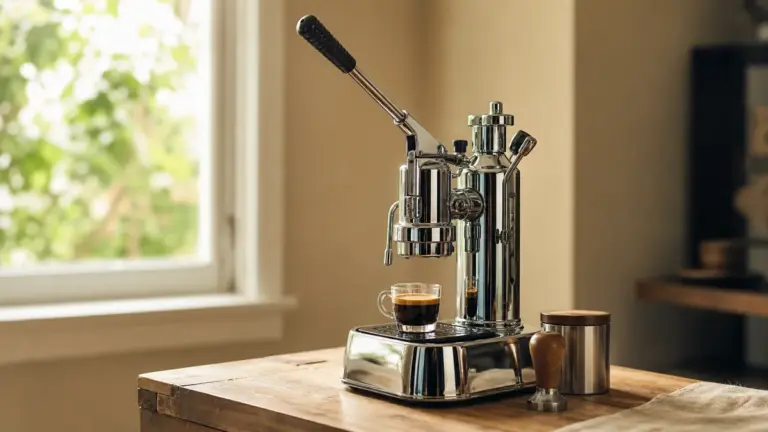 Manual Lever Espresso MachinesUnderstand direct and spring lever espresso machines, pressure profiling, temperature control and upkeep, plus who will enjoy the hands-on workflow.Read the guide
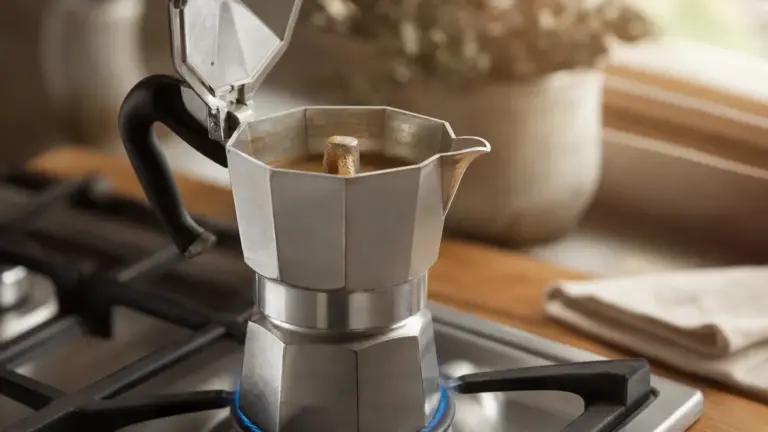 Moka PotsChoose a moka pot that fits your hob and serving size. Compare aluminium and steel, check induction compatibility, and learn safe brewing and gasket…Read the guide
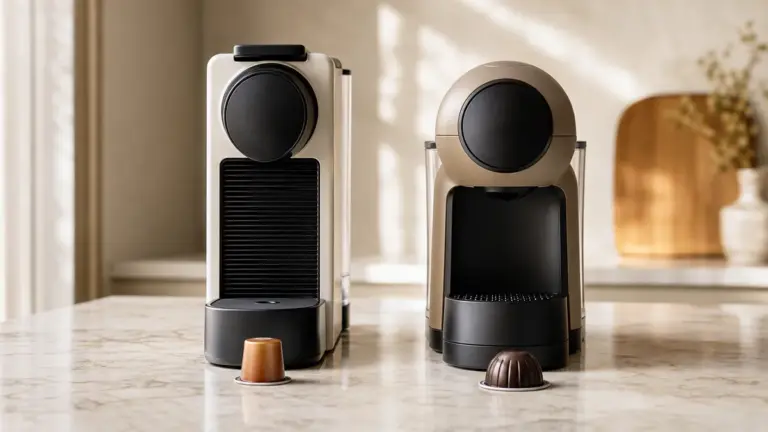 Nespresso Original vs VertuoCompare Nespresso Original and Vertuo extraction, cup sizes, compatible capsules, crema and recycling, then choose the right system for your drinks.Read the guide
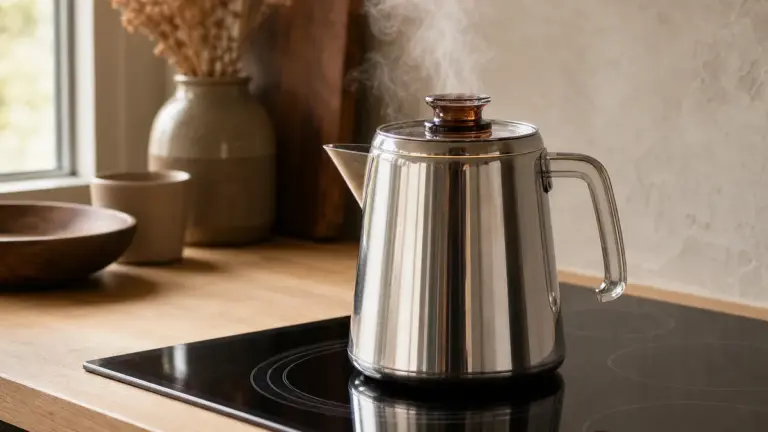 PercolatorsHow stovetop and electric coffee percolators work, why bitterness develops, and practical advice on brewing, cleaning, brands and choosing one.Read the guide
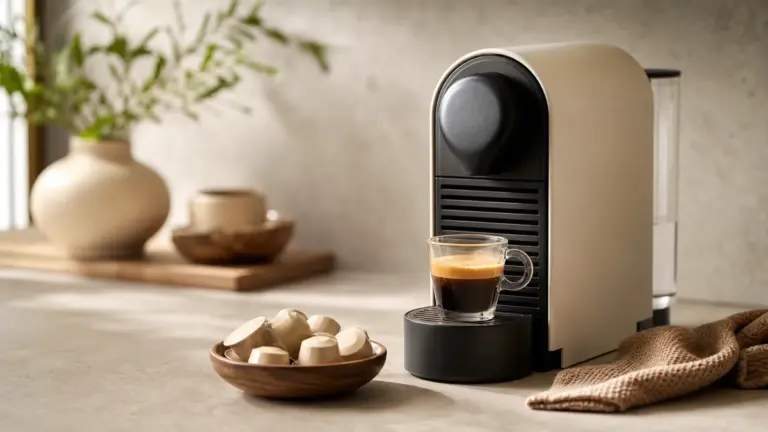 Pod or Capsule Coffee MachinesCompare pod and capsule coffee machines by taste, milk, compatibility and recycling, with a practical checklist for choosing the right system for you.Read the guide
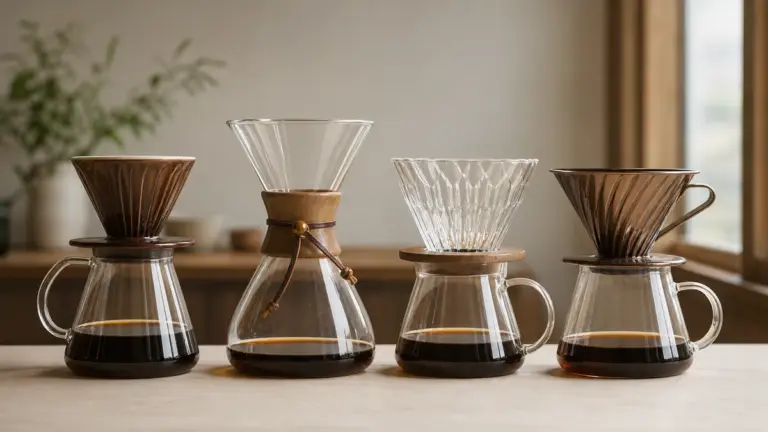 Pour-Over Brewers: V60, Chemex, Kalita Wave and Melitta ConeCompare V60, Chemex, Kalita Wave and Melitta pour-over brewers by flow, filter papers, grind, capacity and ease of use. Find the right fit for…Read the guide
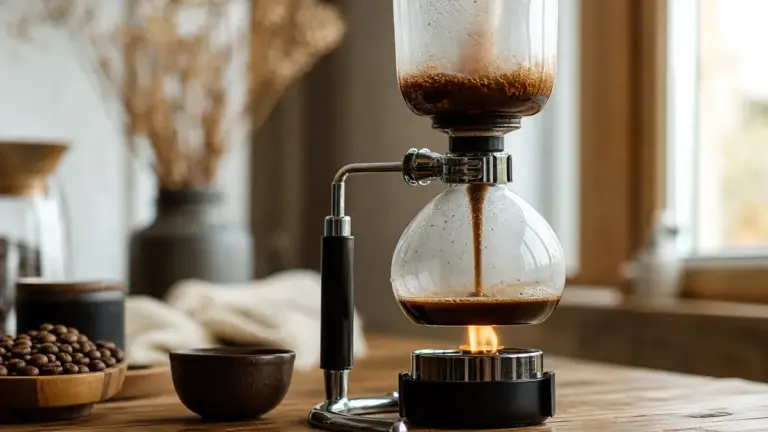 Siphon Coffee MakersLearn how siphon coffee makers use vapour pressure and cooling, with a starting recipe, filter choices, heat sources, cleaning and safe handling.Read the guide
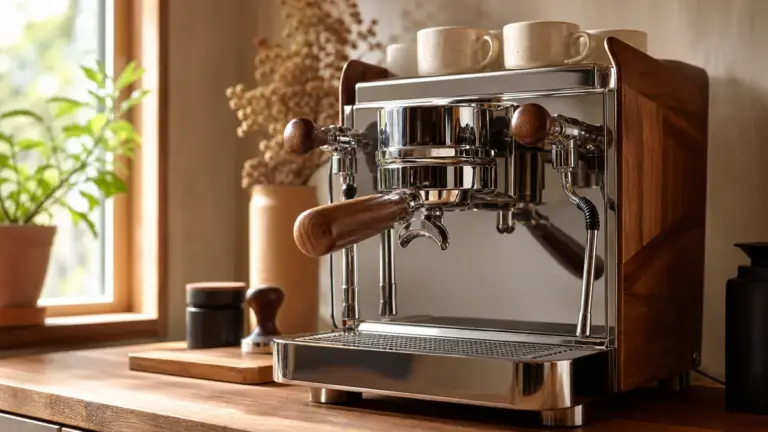 Traditional Coffee MachinesUnderstand traditional coffee machines, from portafilters and boilers to milk steaming, space and training, and decide whether one suits home or work.Read the guide
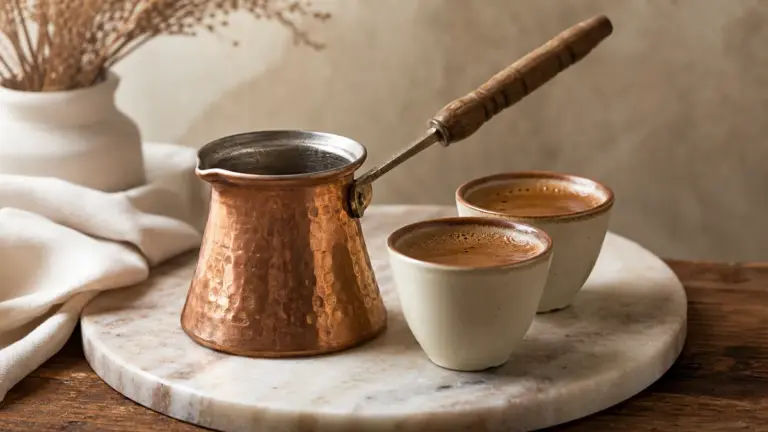 Turkish Coffee Pots and CezvesChoose a Turkish coffee pot by material, size and hob compatibility, then learn the right grind, gentle heating method and care for its lining.Read the guide
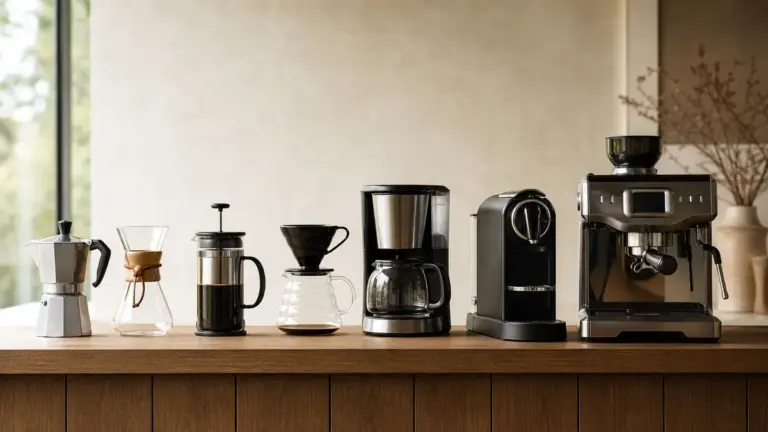 Types of Coffee Machine ExplainedUnderstand bean-to-cup, espresso, pod and filter machines, plus manual coffee makers, with a clear comparison of how each works and what it makes.Read the guide
Start here if you are new
Follow this short route before comparing individual machines:
- Read coffee machine types to understand the main families and rule out equipment that makes the wrong kind of drink.
- Use the complete buying guide to turn your preferred drinks, available space and daily routine into a shortlist.
- Check buying mistakes before committing, particularly if you are choosing for several people.
This hub maps the options rather than ranking individual models. For grinders, kettles and the equipment that supports brewing, return to machines and equipment.
Coffee machines and brewers at a glance
The comparison below uses four practical criteria: the drink produced, the work left to the user, the setting it suits and the main limitation. “Hands-on” describes the brewing routine, not a judgement about quality.
| Machine or brewer | Main drink | User involvement | Best fit and main limitation |
|---|---|---|---|
| Fully automatic bean-to-cup | Espresso and other programmed coffees; milk drinks where equipped | Select, refill, empty and clean | Shared self-service; automation does not remove maintenance |
| Portafilter espresso machine | Espresso and steamed-milk drinks where equipped | Prepare coffee, fit the handle and manage brewing | Hands-on espresso; needs a repeatable preparation routine |
| Manual lever espresso machine | Espresso | Prepare coffee and operate a lever | Direct control; more involvement in each shot |
| Drip or filter machine | A mug or batch of brewed coffee | Add water and grounds, then start | Longer coffees and shared batches; not an espresso substitute |
| Pod or capsule machine | System-dependent coffee drinks | Insert a compatible capsule and select | Simple individual servings; tied to capsule compatibility |
| Cafetière | Immersion-brewed coffee | Steep, plunge and pour | Straightforward shared brewing; mesh filtration can leave sediment |
| AeroPress | Pressed, filtered coffee | Add coffee and water, steep and press | An involved but compact routine; batch capacity depends on model |
| Pour-over brewer | Gravity-filtered coffee | Control the water pour | Readers who enjoy adjusting the brew; requires attention |
| Moka pot | Concentrated stovetop coffee | Fill, assemble and manage heat | Strong coffee without a pump machine; check hob compatibility |
| Recirculating percolator | Hot batch coffee | Fill and manage the brewing cycle | Readers who prefer this brewing style; not the same process as drip |
| Cold brew maker | Coffee extracted with cold water | Prepare ahead, then separate the grounds | Planned cold drinks; not an immediate hot-coffee solution |
| Siphon brewer | Immersion coffee separated through a filter | Assemble, heat and manage drawdown | An absorbing brewing process; more equipment to handle |
| Turkish coffee pot or cezve | Fine-ground coffee served with grounds | Manage heating and pouring | Traditional small servings; a different texture from filtered coffee |
These are starting points, not rigid boundaries. Some machines combine functions, so check exactly what the chosen model does and what still needs a separate accessory.
Automatic and bean-to-cup machines
A fully automatic bean-to-cup machine brings grinding and brewing inside the machine. The user selects a drink, while the machine handles the internal preparation and disposal of the used coffee into a grounds container.
That makes this family worth exploring when several people want coffee without learning a portafilter routine. However, compare the actual milk arrangement: ask whether the machine steams milk automatically, needs a separate frother or leaves that task to the user.
Read bean-to-cup machines when convenience and repeatable self-service matter most. Use it to compare the daily routine, adjustment options and cleaning responsibilities, rather than choosing by the length of the drinks menu.
Do not interpret “automatic” as “maintenance-free”. JURA’s W8 instructions, for example, distinguish milk-system rinsing from cleaning and require daily milk-system cleaning when milk has been prepared. That is a model-specific instruction, but a useful reminder to read the manual before buying.
Espresso machines: handles, pumps and levers
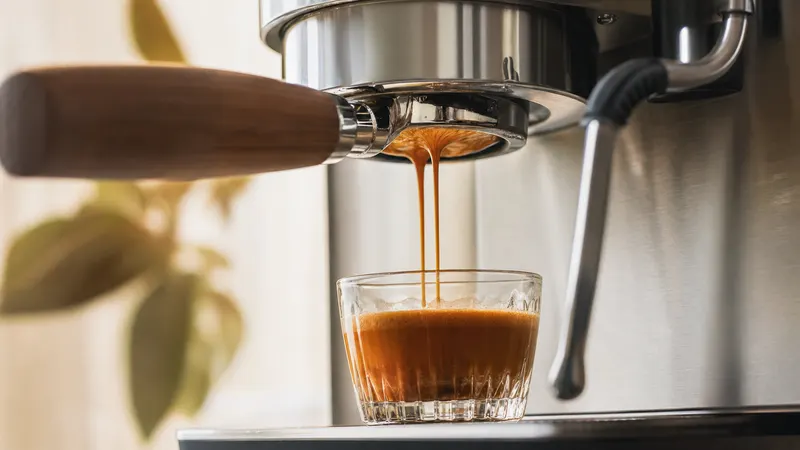
An espresso machine forces hot water through finely ground coffee under pressure. In a traditional portafilter machine, the portafilter is the removable handle containing the coffee basket.
The work is divided differently across models. A built-in grinder, automatic shot stopping or assisted milk steaming can remove individual tasks without making the whole process fully automatic.
Start with espresso machines if espresso, cappuccino or flat white is your main aim. It is the useful route for understanding the equipment around the shot before choosing a particular machine format.
Then use the more specific guides:
- Traditional machines are the next read if you want a portafilter workflow and need to understand what preparation and cleaning involve.
- Commercial espresso equipment is the route for staffed service, where workflow, installation and repeated drink preparation matter more than domestic convenience.
- Manual lever machines suit readers who want to influence extraction through the lever action and are willing to take a more active role in each shot.
Do not rank espresso machines by the largest pump-pressure figure. Sage, for example, describes its Barista Pro as using a 15 bar pump but extracting at 9 bar. Those are manufacturer-published specifications for that model, checked in November 2026, and illustrate why pump capability and brewing pressure are different measurements.
Filter machines and percolators
Filter coffee deserves its own shortlist if you mainly want a longer black coffee or a shared pot. An automatic drip brewer delivers water over ground coffee and collects the filtered drink below, rather than making an espresso to dilute afterwards.
Read drip and filter machines to compare batch size, serving arrangements and everyday operation. For relevant models, the Specialty Coffee Association’s Certified Home Brewer programme provides third-party assessment against brewing-quality and performance requirements.
Treat certification as evidence about the assessed brewing performance, not as a reason to ignore the machine’s size, serving arrangement or cleaning instructions.
A recirculating percolator is different: liquid repeatedly travels through the coffee during brewing. Read percolators if you are replacing a familiar pot or considering this style, rather than assuming that all electric batch brewers work like drip machines.
Pod and capsule machines
Pod machines simplify the preparation of individual drinks by using pre-portioned coffee capsules. The key buying decision is the capsule system, not merely the appearance of the machine.
Begin with pod and capsule machines to decide whether this approach fits your preferred drink and routine. Then check compatibility before comparing features.
The Original and Vertuo comparison is useful even if you have already settled on Nespresso. The manufacturer identifies different brewing technologies and different capsules for the two systems, so the brand name alone does not establish compatibility.
Use the Dolce Gusto, Tassimo and Lavazza comparison before choosing among those alternatives. It is the next stop for checking the available drinks, compatible consumables and preparation routine.
For any capsule machine, ask how used capsules will be collected and what the relevant collection scheme accepts. Do not make disposal arrangements an afterthought.
Manual brewers for everyday coffee
Manual brewers put more of the brewing process in your hands. The useful distinction is how coffee and water meet: immersion means steeping grounds in water; gravity filtration means water passes through a bed of coffee.
Steep or press
A French press or cafetière is worth exploring if you want a direct steep-and-pour routine without disposable paper filters. Its mesh filter separates the larger grounds, but the result can retain fine sediment.
Choose the AeroPress guide if you want to adjust steeping and pressing within a compact brewing setup. Its standard paper-filter arrangement offers a different filtration approach from the cafetière; check the chosen model’s serving capacity rather than assuming every version is the same size.
Pour through a filter
Read pour-over brewers if you enjoy making the brew yourself and want to compare dripper shapes, filters and handling.
Here, the pour is part of the brewing process, not just a way of filling the brewer. HARIO’s V60 guidance, for example, explains how pouring speed affects the resulting coffee. That makes pour-over appealing for deliberate brewing, but worth reconsidering if you want to walk away immediately after starting.
Brew on the hob
A moka pot is a separate route to concentrated coffee, using pressure generated by heating the lower chamber to move water through the grounds.
Read that guide before choosing a size or material, particularly for induction use. Bialetti’s standard Moka Express instructions explicitly exclude direct induction use, so compatibility must be checked for the exact pot rather than inferred from the category.
Cold brew, siphons and Turkish coffee pots
These brewers answer more particular preferences. Choose them because you want their drink or process, rather than treating them as interchangeable alternatives to a conventional machine.
- Cold brew makers are useful when you want to prepare coffee ahead using cold water. Read the guide to compare arrangements for steeping, filtering and storing the finished brew.
- Siphon brewers combine immersion with pressure changes that move water between chambers and draw the brewed coffee back through a filter. Explore them if the preparation itself is part of the attraction, while allowing for the handling and cleaning involved.
- Turkish pots and cezves are the right route for finely powdered coffee heated in a small pot and served with grounds remaining in the cup. Read this guide for that particular preparation and texture, not as a shortcut to espresso.
How to choose for your home or workplace
Once you understand the families, make a short requirements sheet. A useful shortlist should survive these checks before appearance or extra features decide the result.
- Name the drink. Write down what you actually drink most often, including whether milk needs heating or foaming.
- Measure the serving. Use the volume of your usual mug or cup. Compare it with the manufacturer’s stated usable capacity and brewing limits.
- Describe the busiest period. For a workplace, record attendance, expected coffee drinkers, daily drinks and the busiest break. Ask suppliers to demonstrate your likely sequence of drinks.
- Measure the working space. Allow room to refill water, add beans, remove trays and clean components, not just space for the machine’s outer dimensions.
- Assign maintenance. Identify who will clean the equipment and who will cover absences.
- Confirm support. Ask about permitted usage, warranty conditions, repair arrangements, parts and servicing.
Check the water before choosing treatment
Use your local water supplier’s published information, then follow the machine’s instructions for hardness testing and settings. Thames Water, for example, provides a postcode-based water-quality service; its results should not be treated as representative of the whole UK.
Hardness describes dissolved minerals, while alkalinity describes water’s capacity to neutralise acids. The SCAE Water Chart recommends total hardness of 50 to 175 mg/L and alkalinity of 40 to 75 mg/L, both expressed as calcium carbonate equivalents. These are brewing recommendations, not universal equipment-protection limits: the machine manufacturer’s requirements still need checking.
Compare the whole ownership arrangement
Include equipment, any separate grinder or milk equipment, installation, water treatment, coffee, filters or capsules, cleaning materials, electricity, servicing and replacement parts. Ask suppliers for itemised written quotations with VAT treatment identified.
For your own comparison, add the relevant items over the same ownership period and divide by the number of drinks you realistically expect to make. Keep staff cleaning time and interruption during repairs visible alongside that calculation.
Buying mistakes to avoid
- Choosing a drink menu instead of a routine. Extra selections can distract from the drinks you actually want. Ask to see your usual drink prepared and the equipment cleaned afterwards.
- Treating a built-in grinder as proof of full automation. Grinding is only one task. Establish who doses, tamps, moves the portafilter and handles milk.
- Comparing “cups” without checking volume. Manufacturers’ serving conventions can differ from your mug. Compare millilitres and usable output.
- Assuming a domestic purchase and a business purchase have identical protection. Consumer rights depend on the buyer’s legal status and purpose, not simply where the machine will stand.
For UK consumer purchases, the Consumer Rights Act 2015 requires goods to be of satisfactory quality, fit for purpose and as described. A manufacturer’s warranty does not replace statutory rights. Business buyers should establish the contract and warranty terms rather than assume the same consumer protections apply.
FAQ
Can I use pre-ground coffee instead of buying a grinder?
Yes, if the brewer and its instructions allow it. Filter brewers and cafetières accept ground coffee, while espresso requirements depend partly on the basket design. Flair, for example, permits pre-ground coffee in its flow-control portafilter but specifies a suitable burr grinder for its bottomless alternative. Check the actual basket, not just the machine category.
Can I return a coffee machine bought online if I change my mind?
For most UK consumer distance purchases, you can notify the seller within 14 days of receiving the goods and then have another 14 days to return them. Exceptions and handling conditions apply. Do not assume this permits unrestricted brewing trials, and check the seller’s terms before using the machine. Faulty-goods rights are separate.
Does a manual lever espresso machine need electricity?
Not necessarily: some manual lever machines use separately heated water and hand-operated pressure. Others include electrical heating, so “manual” does not mean that every part works without power. Check how the brew chamber is heated and whether milk preparation needs additional equipment before choosing a lever machine for use away from a mains supply.
Where to go next
Read Types of Coffee Machine Explained to narrow the families, then Coffee Machines: The Complete Buying Guide to turn your requirements into a shortlist. Before choosing your coffee machines or brewers, use Coffee Machine Buying Mistakes to check the practical details, and return to Machines & Equipment for the supporting equipment.
Sources
Undated web pages below are the live versions retrieved in November 2026. Manufacturer descriptions and specifications establish intended operation, not independently tested reliability.
- Sage, the Barista Pro, undated product page and manufacturer specifications: source.
- JURA, W8 (EA/SA/INTA): Instructions for Use, Type 773, undated retrieved edition: manual.
- Specialty Coffee Association, SCA Certified Home Equipment, live programme description and listings, 2026: source.
- Speciality Coffee Association of Europe and Zurich University of Applied Sciences, The SCAE Water Chart, undated retrieved report: report.
- Thames Water, Water quality, undated live guidance and local lookup: source.
- Nespresso UK, Choose Your Nespresso System, undated live system comparison: source.
- Bodum, Catalogue 2025, French press construction, filtration and capacities: catalogue.
- AeroPress, How To Use AeroPress, undated live instructions: instructions.
- HARIO Europe, About the V60 Dripper, undated live technical explanation: source.
- Bialetti cookware support, How to use the Moka Express?, updated 2023: instructions.
- HARIO Europe, Mizudashi Cold Brew Coffee Pot, undated product instructions: source.
- HARIO Europe, An Introduction to Brewing with Siphons, undated live explanation: source.
- UNESCO, Turkish coffee culture and tradition, nomination and inscription record, 2013: source.
- Flair Espresso, Flair Classic: Full Instruction Manual, 2025 file edition, and Flair 58 Quick Start Guide, August 2021, version 4: Classic manual; Flair 58 guide.
- National Presto Industries, Product Catalog 2025/26, coffee-maker section: catalogue.
- GOV.UK, Accepting returns and giving refunds: the law, undated live guidance: source.
- UK Parliament, Consumer Rights Act 2015: Explanatory Notes, consumer definition: notes.
- Competition and Markets Authority, Shop smart, bag a bargain: a consumer expert’s guide to online shopping, 13 November 2025: guidance.
This hub was researched using retrieved manufacturer instructions, brewing-association publications, local water-supplier guidance and official UK consumer-law sources; no first-hand machine testing is claimed.
Last checked: November 2026