Coffee travel means choosing a journey around how coffee is grown, made or shared, from a farm visit to a day exploring coffeehouses. Start with what you want to understand: farming and processing, roasting and tasting, or the social traditions surrounding the cup. This guide maps those routes, with starting points in producing countries, European cities and the UK.
In short
- Choose the experience before the destination: a farm visit, an origin itinerary and a coffeehouse trail answer different questions.
- Ask whether a tour shows working production, a demonstration or both.
- For farm visits, confirm what will actually be happening on your travel dates rather than relying on a country-wide harvest calendar.
- Treat UNESCO recognition precisely: Colombia’s coffee-growing heritage, Viennese coffeehouse culture and Turkish coffee tradition have different kinds of listing.
- Check current FCDO advice for your destination and route before booking, especially when planning rural travel in Ethiopia.
Guides in Coffee and Travel
 Coffee DestinationsCompare coffee destinations for farm visits, historic coffeehouses, café exploration and festivals, with advice on seasons and choosing the right trip.Read the guide
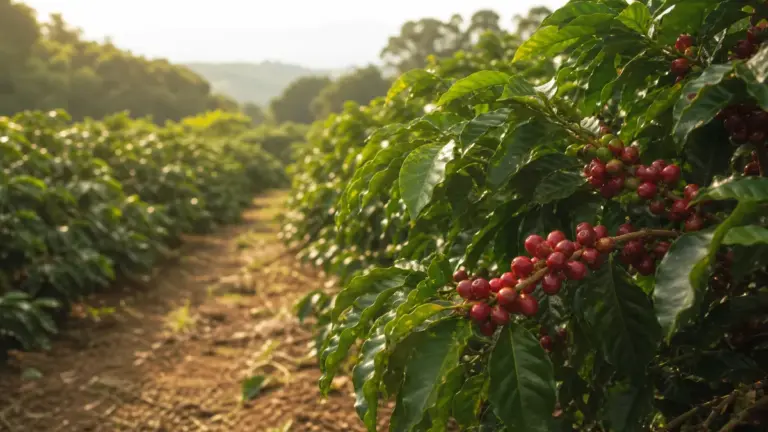 Coffee Plantation ToursDiscover what coffee plantation tours include, how to check harvest timing, and what to ask about guides, access and ethics before booking a farm…Read the guide
 Coffee TourismExplore coffee tourism through farm visits, city cafés and festivals, with practical checks for thoughtful planning and respect for hosts and communities.Read the guide
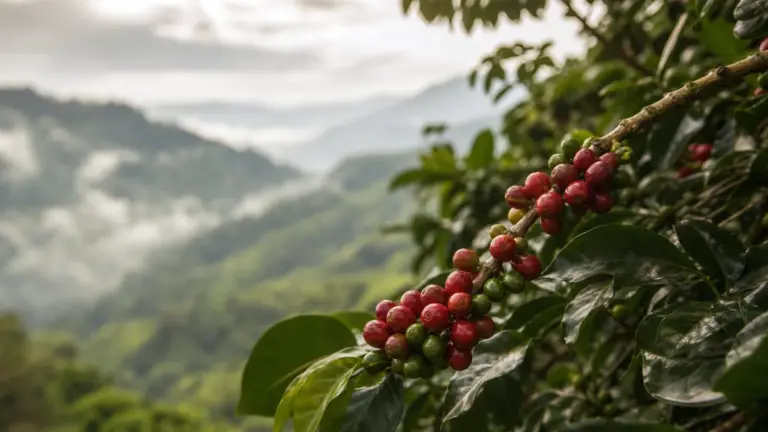 Coffee Travel in Ethiopia, Colombia and Costa RicaCompare coffee regions, farm visits, ceremonies and harvest seasons in Ethiopia, Colombia and Costa Rica, with safety checks and responsible travel advice.Read the guide
 Coffee Travel in Italy, Vienna and IstanbulExplore espresso bars, Viennese coffee houses and Turkish coffee in Istanbul, with ordering etiquette, historic venues and essential closure checks.Read the guide
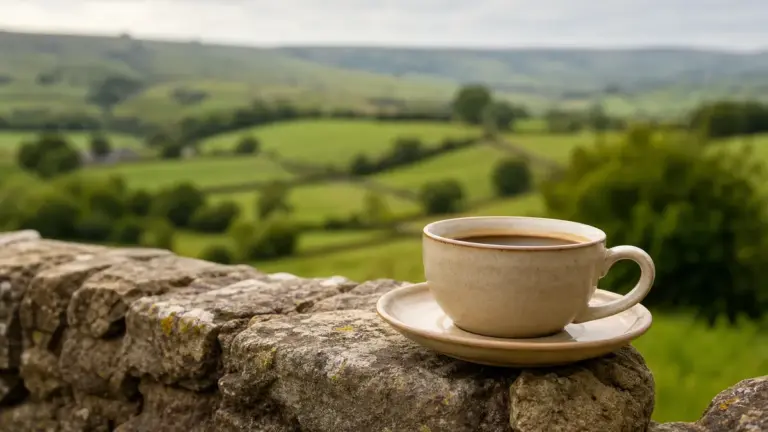 Coffee Travel in the UKPlan a UK coffee trip with city starting points, bookable roastery experiences, festival checks and historic coffeehouse walks in London and Oxford.Read the guide
 Tours in Coffee-Growing RegionsPlan a coffee origin trip around regional harvests, welcoming farms and co-operatives, with practical checks for entry, health and responsible visits.Read the guide
Start here if you are new
Follow this short reading path before choosing accommodation or arranging visits:
- coffee tourism helps you decide what you want from the journey, whether that is meeting growers, learning to taste or understanding café life.
- coffee destinations helps you turn that interest into a shortlist, comparing places by the experience you want rather than their reputation alone.
- coffee plantation tours is the next step if you want to visit a farm. Use it to assess what a tour includes and what to ask before booking.
For the wider context of drinking customs and coffee’s place in everyday life, return to culture and travel. Here, the emphasis is on choosing a useful journey, not collecting famous cafés.
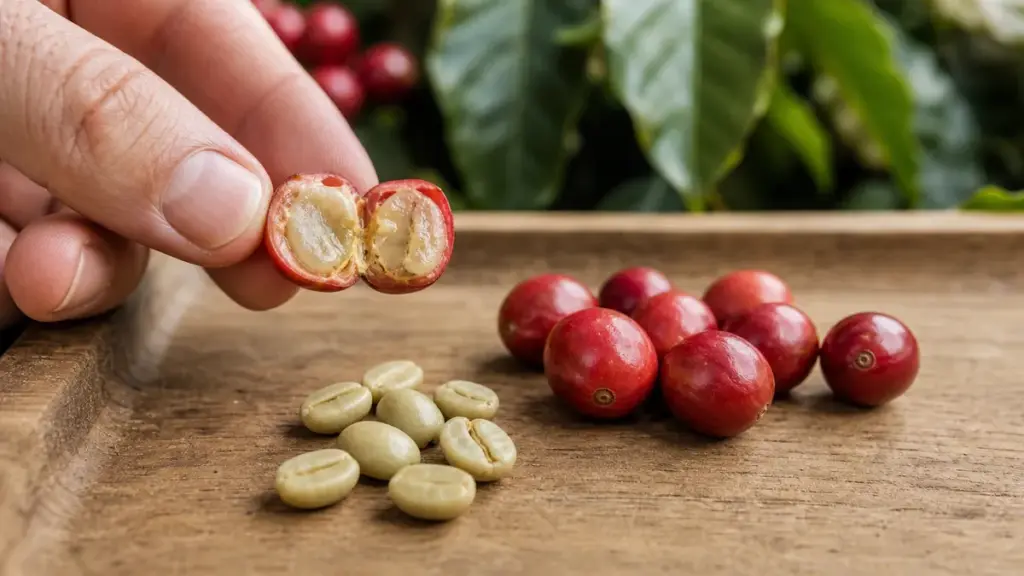
Choose your kind of coffee travel
Use this overview as a planning framework, not a ranking. The right choice depends on whether you want to understand production, improve your tasting or spend time within a coffee-drinking tradition.
| Experience | What to investigate | Suggested starting point | Main booking question |
|---|---|---|---|
| Farm or plantation tour | Growing and the stages between fruit and prepared coffee | Colombia or Costa Rica | Which activities will be working during my visit? |
| Origin itinerary | Connections between farms, processing and tasting | A carefully planned producing-region route | Which hosts and facilities are confirmed? |
| Coffeehouse journey | Preparation, hospitality and social customs | Italy, Vienna or Istanbul | Am I choosing places for their tradition, coffee or both? |
| Roastery visit or workshop | Roasting, brewing and sensory comparison | A UK venue with a published visitor programme | Is this a class, an open café or a production visit? |
| Mixed-interest holiday | Coffee alongside other interests | A destination you already want to visit | Can I organise one worthwhile visit without rushing it? |
A useful first decision is to finish this sentence: “I want to come home understanding…” The answer might be coffee farming, a particular brewing tradition or why coffees taste different.
Avoid making every stop serve the same purpose. If you are planning several visits, ask each host what makes their session distinct, then choose a combination that answers different questions.
Farms, plantations and origin tours
Choosing a farm visit
“Plantation tour” is a familiar search term, but do not let it determine the kind of farm you expect. UNESCO’s description of Colombia’s Coffee Cultural Landscape, for example, emphasises small-plot farming and family production rather than a single model of large estate agriculture.
Ask the operator to describe the visit in concrete terms. Will you walk among coffee plants, meet someone involved in production, see processing equipment or take part in a tasting? Which parts involve observation, and which are demonstrations?
For a first visit, favour a clear explanation over a long list of activities. Ask how the guide connects the growing coffee to the drink you taste at the end. A tasting is more useful when you know what the samples are intended to illustrate.
Read coffee plantation tours when you are ready to compare individual visits. It is the place to examine tour content, practical access and the questions that distinguish an educational visit from a brief stop at a shop.
Going deeper at origin
An origin itinerary should have a learning purpose beyond visiting several farms. Ask an organiser to explain how the proposed stops connect and what each host contributes.
For example, you might request a route that follows coffee from a farm to a processing facility and then to a comparative tasting. Alternatively, concentrate on growers working within the same area and ask how their approaches differ. These are itinerary requests, not promises that every destination or operator can fulfil.
Use tours in coffee-growing regions when a single excursion no longer answers your questions. It is the next read for planning a connected journey and assessing whether the proposed access is appropriate for an enthusiast rather than a trade visitor.
Do not assume that a named farm on a draft itinerary has agreed to receive you. Request confirmed hosts, an explanation of any substitutions and a realistic transport plan before committing.
Producing-country starting points
Ethiopia: coffee as hospitality
Ethiopia offers a way to approach coffee through social life as well as production. UNESCO’s cultural account describes roasting, grinding and brewing within a ceremony that creates time for conversation and hospitality.
If that is your interest, do not treat the ceremony as a quick tasting stop. Ask your host what the occasion involves, follow their guidance and seek permission before photographing people or domestic spaces. You can appreciate the preparation without turning every gesture into a technical question.
Travel advice is decisive here. As checked in November 2026, the FCDO advises against all travel or all but essential travel to parts of Ethiopia, including parts of Oromia. Do not turn a coffee-region name on a bag into a suggested driving route: check the actual locations, connecting roads and current regional advice.
Colombia: connect farms with their setting
Colombia’s Coffee Cultural Landscape is a UNESCO World Heritage property, inscribed in 2011. Its significance includes coffee farming, settlements, architecture and the ways communities have adapted production to mountainous terrain.
The official tourism board introduces the wider coffee region through places including Pereira, Armenia, Manizales, Salento and Filandia. Treat these as starting points for research rather than a checklist to complete.
For planning, choose a base only after identifying the visits that matter most to you. Ask hosts for journey details and resist adding another town simply because it appears nearby on a map. Leave room to understand the setting around the farm, not just the equipment within it.
Costa Rica: compare the scale of the experience
Costa Rica’s official Los Santos tourism guide describes coffee visits ranging from co-operatives to small family-run processing facilities. That makes a useful starting question: would you rather understand a larger shared operation or spend time with a smaller producer?
Ask what access is offered and who leads the visit. Do not assume that a smaller operation provides more personal contact, or that a larger one provides less depth. Judge the published programme and the answers you receive.
Read coffee travel in Ethiopia, Colombia and Costa Rica to move from this shortlist to destination-specific planning. Use it to investigate the practical differences between these journeys rather than treating producing countries as interchangeable farm-tour settings.
Italy, Vienna and Istanbul: follow the drinking culture
These destinations belong on a coffee itinerary for their drinking traditions, not as substitutes for visiting a growing region. Plan to observe how coffee fits into a place, as well as how it tastes.
Italy
For an Italian starting point, Trieste offers a connection between coffee and the city around it. The regional tourism board highlights its coffee-importing history, literary cafés and distinctive ordering vocabulary, including nero for an espresso.
Choose visits with different purposes: one for the setting, another for preparation and another for a conversation about the coffee being served. Avoid judging every cup against the style you prefer at home. Ask what the venue is trying to make before deciding whether it succeeds.
Vienna
Viennese coffeehouse culture entered Austria’s national inventory of intangible cultural heritage in 2011. The Austrian Commission for UNESCO describes a tradition associated with marble-topped tables, newspapers and spaces for spending time.
That is a reason to leave part of the day unstructured. Choose a coffeehouse where you want to sit, rather than scheduling only enough time to photograph the room.
Be precise about its status: this is an Austrian national inventory entry, not the same listing as UNESCO’s international Representative List of the Intangible Cultural Heritage of Humanity.
Istanbul
Turkish coffee culture and tradition was inscribed on that international Representative List in 2013. UNESCO describes finely ground coffee prepared slowly in a pot, served in small cups and closely connected with hospitality and conversation.
In Istanbul, make the preparation part of your enquiry. Ask how the venue prepares and serves its coffee, and allow the host to explain the custom rather than assuming there is one script for every setting.
Use coffee travel in Italy, Vienna and Istanbul to plan a journey around these differences. It is the useful next step for choosing between coffeehouse heritage, everyday drinking customs and preparation traditions.
Coffee travel in the UK
A UK coffee trip can begin with a published workshop rather than an overseas itinerary. Choose the session first, then build a day or short break around it.
Check the distinction between a café inside a roastery and an actual visitor programme. Coaltown in Ammanford, for example, states that it does not offer standalone roastery tours, although its workshops include a short visit to the roasting operation. That is a useful reminder to read the venue’s wording carefully.
Ask whether the session is intended for beginners, home brewers or professional learners. Confirm how much is demonstration, how much is practical participation and whether you need any prior knowledge.
Read coffee travel in the UK when you want to explore closer to home. Use it to find the right kind of visit rather than assuming that every roastery welcomes unannounced visitors.
Turn your shortlist into a workable itinerary
Before booking, send the host a short written enquiry covering these points:
- Your aim: explain what you want to learn and your existing knowledge.
- The content: ask what you will see, taste and do on the proposed date.
- The practicalities: confirm the meeting point, language, transport arrangements, toilets and any access requirements.
- The alternatives: ask what happens if the named host, planned activity or route becomes unavailable.
- The documentation: request a clear written itinerary and itemised quotation rather than relying on a broad tour description.
For overseas journeys, check the relevant FCDO country advice, including entry requirements, regional risks and health information. Confirm that your insurance is appropriate for the itinerary and planned activities, and recheck advice before departure.
For farm access, ask specific questions about surfaces, slopes, steps, walking distances and seating. Request a description of the route that you can assess against your needs rather than relying on a general assurance.
Finally, agree boundaries with your hosts. Ask before entering production areas, handling equipment, picking fruit or photographing people. Choose coffee travel that leaves room for listening: a worthwhile visit should answer your questions without making the host’s working day revolve around them.
FAQ
Do I need specialist coffee knowledge before booking?
No, but tell the host that you are a beginner. Ask for a session that explains unfamiliar terms and gives you time to ask questions, rather than one designed around professional evaluation. Before booking, request a plain description of the activities and what someone with no previous experience should expect to understand afterwards.
Can I organise coffee travel independently?
Yes, provided you confirm each visit and assess the route rather than assuming access. Begin with an established visitor programme and arrange transport around its confirmed meeting details. For a more complex rural journey, consider whether a local organiser would help with communication and coordination, while checking the proposed itinerary against current official travel advice.
What if my travelling companions are not interested in coffee?
Build the holiday around shared interests and make coffee a clearly defined part of it. Ask whether companions can enjoy the setting without joining every activity, or whether you should attend a workshop separately. One well-chosen visit is a better planning aim than expecting everyone to share your enthusiasm throughout the trip.
Where to go next
Read Coffee Tourism to clarify the purpose of your trip, then Coffee Destinations to narrow the shortlist. Use Coffee Plantation Tours for a first farm visit, or Tours in Coffee-Growing Regions when your coffee travel needs a connected itinerary.
Sources
- UNESCO World Heritage Centre, Coffee Cultural Landscape of Colombia, inscription 2011, current property description. Used for heritage status, small-plot farming and the relationship between production and settlements. Source.
- ProColombia, Colombia Travel, Top things to do in the coffee region Colombia, undated. Used for the named cities and towns as destination-research starting points. Source.
- Visit Costa Rica, Los Santos, undated tourism guide, hosted in its October 2024 document directory. Used for the range of coffee visits, including co-operatives and family-run processing facilities. Source.
- UNESCO, Éloi Ficquet, Ethiopia, the home of coffee, 2023, updated 26 June 2023. Used for coffee preparation and the ceremony’s social context. Source.
- Foreign, Commonwealth & Development Office, Ethiopia travel advice, updated 30 October 2026. Used for current regional travel warnings and the need to assess the proposed route. Source.
- Foreign, Commonwealth & Development Office, Foreign travel advice, live country-advice directory, 2026. Used for the overseas travel-checking framework. Source.
- PromoTurismoFVG, Trieste, undated. Used for the city’s coffee connections, literary cafés and ordering vocabulary. Source.
- Austrian Commission for UNESCO, Viennese coffee house culture, national inventory entry, 2011. Used for the date, scope and characteristics of the recognised tradition. Source.
- UNESCO, Turkish coffee culture and tradition, Representative List inscription, 2013. Used for recognition, preparation and hospitality traditions. Source.
- Coaltown Coffee, Coaltown Roastery, undated, live visitor information checked November 2026. Used for the distinction between standalone tours and workshops incorporating a short roastery visit. Source.
Researched using official heritage records, tourism-board material, current FCDO advice and published venue information; no visits or first-hand testing are claimed.
Last checked: November 2026